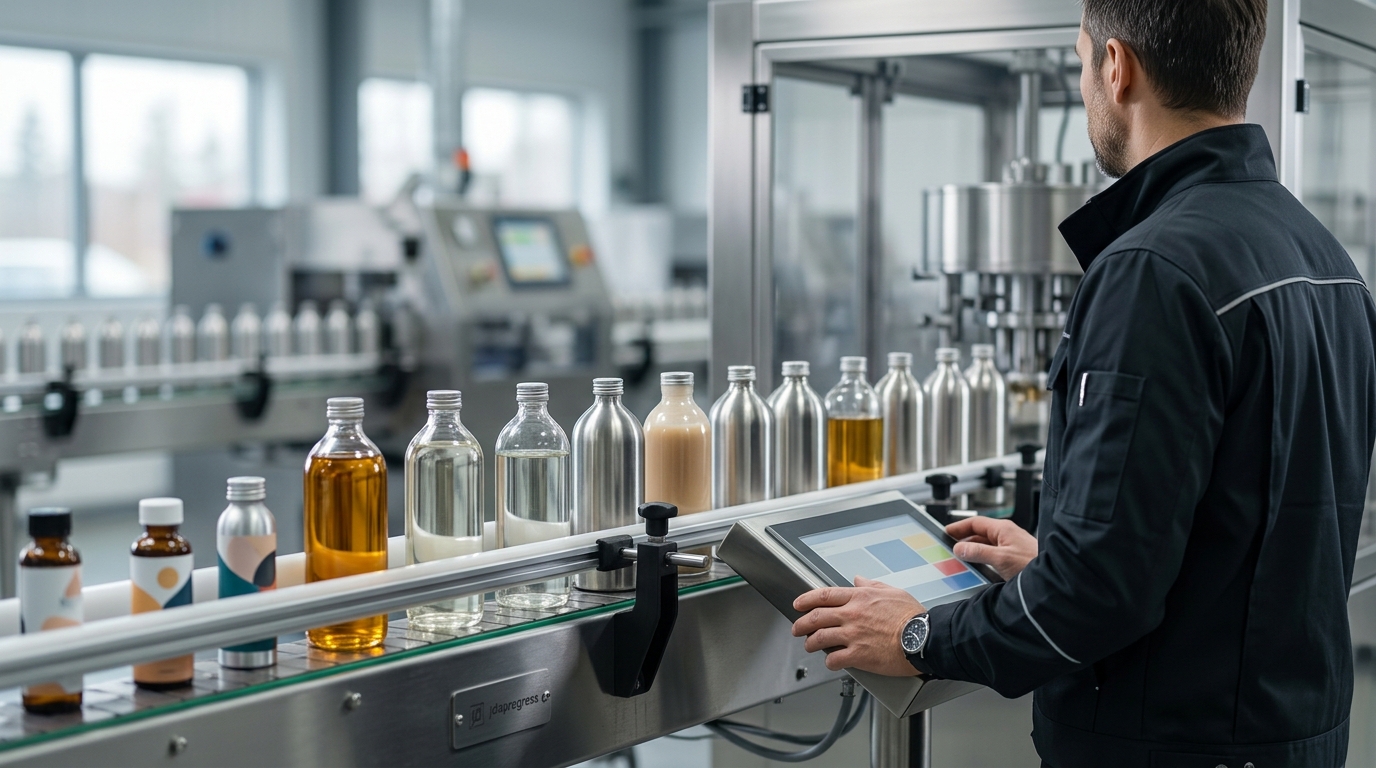
Choosing the right filling machine can feel overwhelming, especially when you are packaging a product for the first time. The type of product you fill, the container you use, and the speed you need all play a role in selecting the best equipment. Whether you are bottling sauces, dispensing cosmetics into tubes, or packaging powders into jars, understanding a few key factors will save you time, money, and frustration. In this guide, we walk you through the essential steps to identify the ideal filling machine for your operation, so you can make a confident decision from day one.
Step 1: Understand Your Product Type
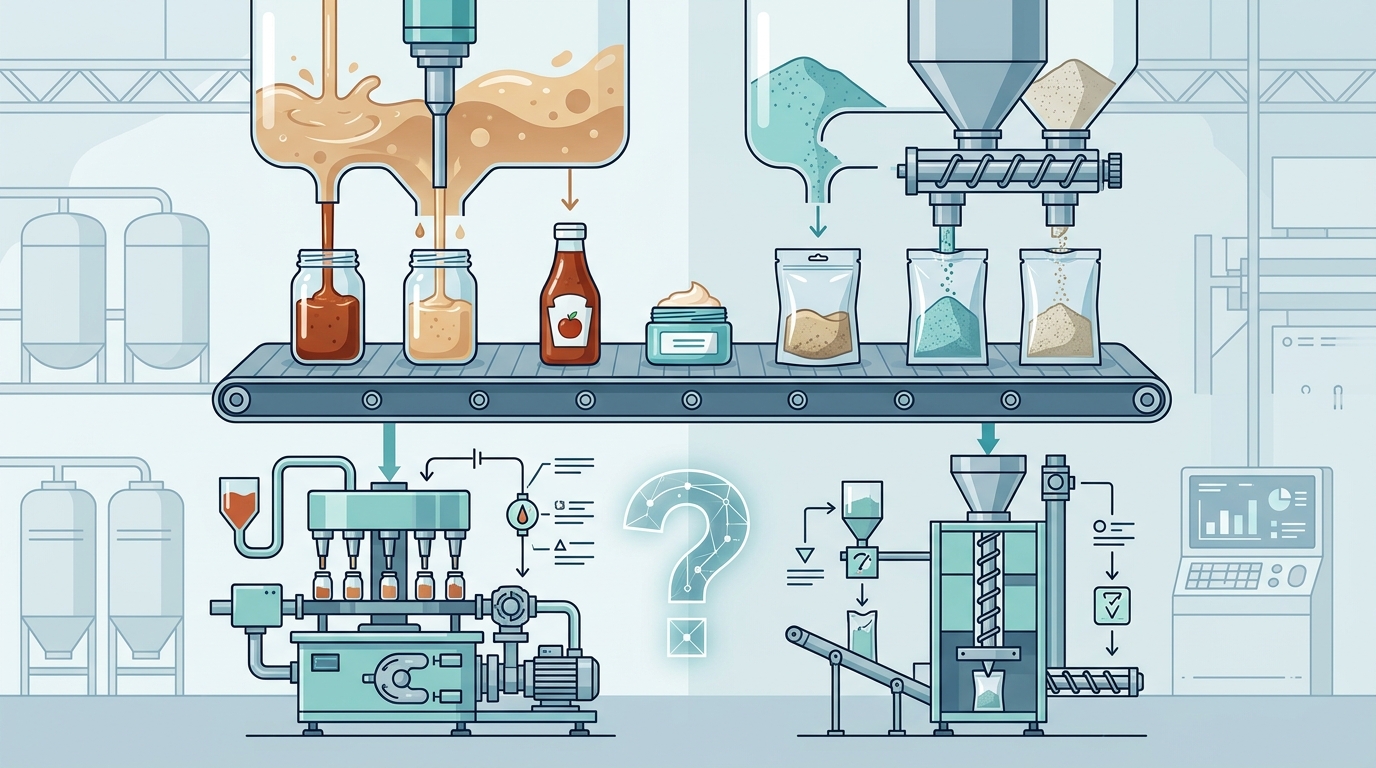
The single most important factor in selecting a filling machine is the physical nature of your product. A filling machine is a piece of industrial equipment designed to dispense a precise amount of product into a container. Products generally fall into three categories: thin liquids, viscous liquids, and dry goods.
Thin and Free-Flowing Liquids
Water, juices, cleaning solutions, and light oils flow easily under gravity or low pressure. An overflow pressure filler is often the best match here, as it fills each bottle to a consistent visual level regardless of minor volume differences in containers.
Viscous and Semi-Viscous Products
Creams, lotions, gels, sauces, and products with particulates require positive-displacement technology. A piston filler is a machine that uses a cylinder-and-piston mechanism to draw and dispense thick products with high accuracy. JDA Progress offers piston filling machines designed for exactly these applications.
Dry Powders and Granules
Spices, protein powders, flour, and pharmaceutical powders need an auger or vibratory filling system. An auger filler is a volumetric machine that rotates a helical screw inside a funnel to deliver a measured dose of powder. JDA Progress provides both semi-automatic auger fillers and automatic inline powder auger fillers for different production volumes.
Step 2: Identify Your Container Type
Your container shape and material influence which filler works best. Rigid containers such as glass bottles, plastic jars, and metal cans pair well with inline filling systems. Flexible containers like pouches and tubes often need specialized equipment.
For tube packaging, the SUPER-30 automatic tube filler and sealer handles both plastic and metal tubes. For pouches, JDA Progress offers VFFS baggers and premade pouch baggers that form, fill, and seal in one motion.
Step 3: Learn the Main Filling Technologies
Different filling technologies solve different problems. The table below summarizes the most common types and their ideal use cases.
| Filling Technology | Best For | Accuracy Method | Example Products |
|---|---|---|---|
| Piston Filler | Viscous liquids, creams, gels | Volumetric (cylinder displacement) | Lotions, sauces, cosmetics |
| Pump Filler (Lobe/Gear) | Medium to high viscosity liquids | Volumetric (pump rotation) | Shampoo, chemicals, hot sauces |
| Overflow Pressure Filler | Thin, free-flowing liquids | Level-based (consistent fill height) | Water, juice, cleaners |
| Auger Filler | Powders and fine granules | Volumetric (screw rotation) | Spices, flour, pharmaceuticals |
| Vibratory Weigh Filler | Granules, snacks, irregular solids | Gravimetric (weight-based) | Candy, nuts, pet food, gummies |
According to the PMMI (The Association for Packaging and Processing Technologies), matching filling technology to product viscosity is the number one driver of fill accuracy and reduced waste.
Step 4: Semi-Automatic vs. Automatic Filling Machines
Your current production volume and growth plans determine whether you need a semi-automatic or fully automatic system. Semi-automatic fillers require an operator to place and remove each container manually. They are ideal for startups and small batches, typically processing 10 to 25 containers per minute.
Automatic inline fillers integrate with conveyors and sensors to run continuously with minimal operator involvement. They can handle 30 to 60+ containers per minute depending on the model. JDA Progress offers both levels across its full range of filling machines, so you can start small and scale up as demand grows.
Step 5: Determine Your Production Speed Requirements
Before contacting a supplier, calculate your required output. Start with your daily order volume, then work backward to containers per minute. Factor in changeover time, cleaning, and breaks. A common mistake is buying a machine rated at your peak demand without accounting for downtime.
For example, if you need to fill 5,000 bottles in an 8-hour shift with 1 hour of downtime, your target is roughly 12 bottles per minute. A semi-automatic piston filler could handle that comfortably. However, if your target is 20,000 bottles per shift, an automatic inline system becomes necessary.
Step 6: Think Beyond the Filler: Building a Complete Line
A filling machine is just one station in a packaging line. To achieve a fully operational setup, you also need capping, labeling, and conveying equipment. JDA Progress manufactures complete bottling lines that integrate fillers with cappers, labelers, and conveyors into a synchronized system.
Planning your entire line from the start ensures all machines run at compatible speeds and share the same conveyor width. This avoids costly retrofitting later.
Key Takeaways
- Always start by classifying your product as a thin liquid, viscous liquid, or dry good before evaluating machines.
- Piston fillers excel with thick products like creams and sauces; overflow fillers are best for water-thin liquids.
- Auger fillers handle powders volumetrically, while vibratory weigh fillers use weight-based measurement for granules and solids.
- Semi-automatic machines suit small batches and startups; automatic systems are built for high-volume production.
- Calculate your containers-per-minute target before requesting quotes to ensure proper machine sizing.
- Plan your complete packaging line (filler, capper, labeler, conveyor) together for maximum efficiency.
- Request a free product demo to see how your specific product runs on the equipment before purchasing.
Frequently Asked Questions
What type of filling machine do I need for thick creams or lotions?
A piston filler is the best choice for thick creams, lotions, gels, and sauces with particulates. The piston mechanism provides the positive displacement force needed to move viscous products accurately into containers.
Can one filling machine handle both liquids and powders?
Generally, no. Liquid fillers and powder fillers use fundamentally different dispensing mechanisms. Liquid fillers rely on pumps or pistons, while powder fillers use augers or vibratory weigh systems. You will need separate machines for each product type.
How do I know if I need a semi-automatic or automatic filler?
If you are filling fewer than 1,000 containers per shift, a semi-automatic filler is usually sufficient and more cost-effective. Once you exceed several thousand containers per shift, an automatic inline system pays for itself through labor savings and higher throughput.
What is an overflow filler and when should I use one?
An overflow filler fills containers to a consistent visual level rather than a precise volume. It is ideal for transparent bottles filled with thin liquids like water, juice, or cleaning solutions where a uniform fill line on the shelf matters most.
How accurate are auger filling machines for powders?
Quality auger fillers typically achieve accuracy of 1% or better. JDA Progress auger fillers can handle fills ranging from 100mg pharmaceutical doses up to 50lb bulk containers, making them versatile across many powder packaging applications.
Do I need a conveyor with my filling machine?
Semi-automatic fillers can operate as standalone tabletop units without a conveyor. Automatic fillers require a conveyor system to transport containers through the filling station. JDA Progress offers integrated conveyor solutions sized to match their fillers.
Can I see the machine run my product before I buy?
Yes. JDA Progress offers free product demos so you can evaluate how your specific product performs on their equipment before making a purchase decision. You can visit their showroom or arrange a remote demonstration.
What kind of warranty and support should I expect?
Look for at least a one-year warranty on machines and parts. JDA Progress provides a 1-year warranty on all machines and parts, along with ongoing technical support and fast delivery of replacement components from their Canadian headquarters.
Get Started With a Free Demo
Choosing the right filling machine does not have to be complicated. Start by identifying your product type, container, and production speed, then let an experienced equipment partner guide you to the right solution. JDA Progress Industries has over 35 years of experience helping businesses across food and beverage, cosmetics, and chemical industries find the perfect packaging equipment.
Request a free quote and product demo today to see exactly how your product runs on JDA equipment before you commit.