Where to Start When Looking for a Filling Machine for Your Product
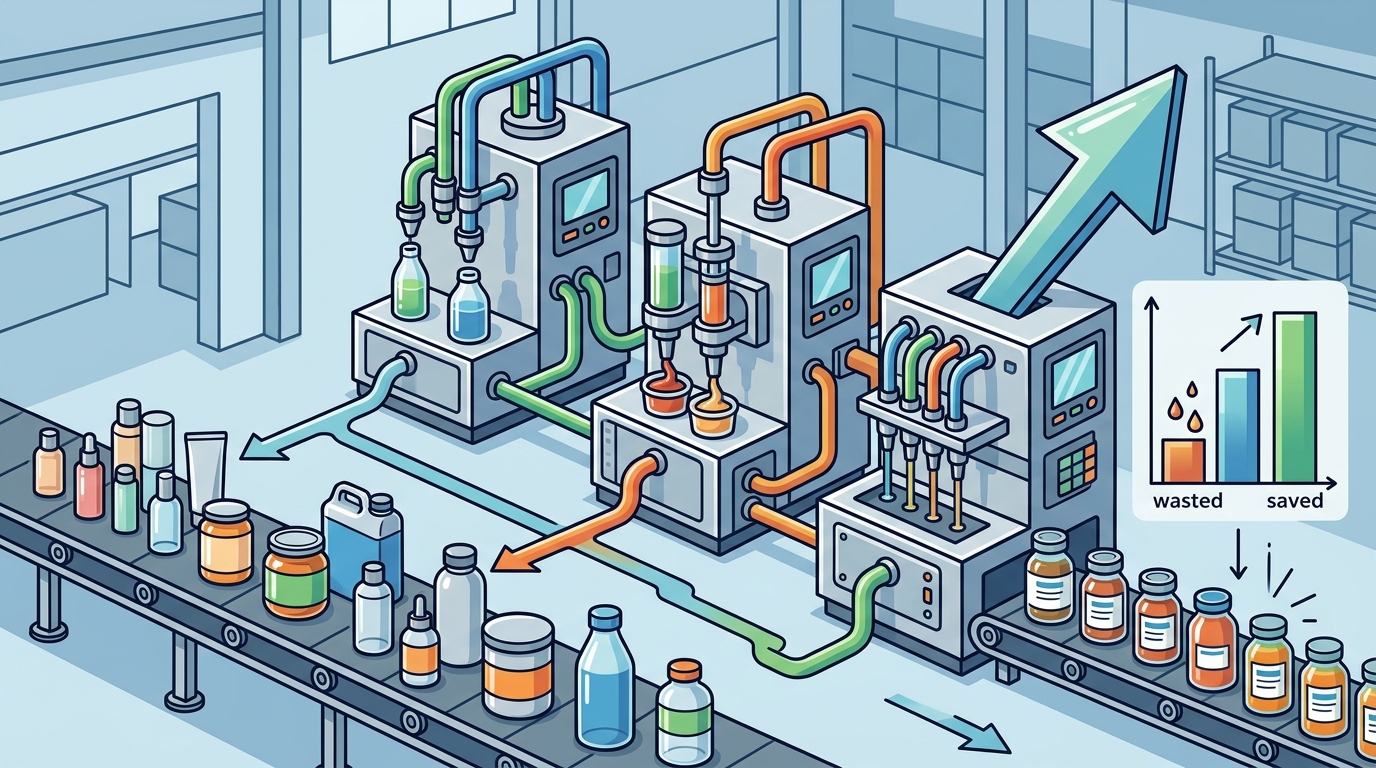
Choosing the right filling machine is the single most critical decision you will make when scaling your production line. According to recent industry data, automated filling systems can increase throughput by up to 400% compared to manual methods while reducing product waste by nearly 15%. This statistic highlights why selecting the correct equipment is not just an operational upgrade but a fundamental financial imperative for modern manufacturers. The process involves analyzing your product viscosity, container type, and future growth targets to ensure your investment delivers a strong return. (About JDA Progress Packaging)
Understand Your Product Characteristics
The first step in your search is a rigorous audit of the product you intend to package. Filling machines are not one-size-fits-all solutions. A machine designed for thin liquids will fail completely when attempting to handle thick pastes or granular powders. You must categorize your product into one of three primary states: liquid, powder, or paste.
Liquid fillers are engineered to dispense precise volumes of fluid. These machines utilize piston pumps, peristaltic pumps, or gravity feed systems depending on the fluid's density. For example, a thin solvent requires a different sealing mechanism than a viscous honey or cream. If your product is a powder, such as protein supplements or spices, you will need a volumetric cup filler or a weigh filler to ensure accuracy. A weigh filler measures the actual mass of the product, which is critical for regulatory compliance in the food and nutraceutical industries.
Viscosity is another key factor. Viscosity is the measure of a fluid's resistance to flow. High-viscosity products like sauces or gels require positive displacement pumps to push the product through the nozzle. Low-viscosity products like water or solvents can often be handled by gravity or pressure fillers. Understanding this distinction prevents costly equipment mismatches and ensures your production line runs smoothly without clogging or dripping.
Select the Right Filling Technology
Once you have defined your product, you must choose the specific filling technology that aligns with your operational goals. JDA Progress offers a range of fillers designed for liquids, powders, and weigh fillers to meet diverse manufacturing needs. The choice between a semi-automatic and a fully automatic machine depends largely on your current volume and budget.
Semi-automatic fillers are ideal for small businesses or those with high-mix, low-volume production. They require an operator to place the container under the nozzle, but they offer flexibility and a lower initial cost. On the other hand, fully automatic inline filling systems are designed for high-speed production environments. These systems integrate seamlessly with conveyors and cappers to create a continuous bottling line. According to manufacturing efficiency reports, fully automated lines can reduce labor costs by up to 60% while maintaining consistent fill accuracy.
When evaluating technology, consider the filling accuracy required for your product. In the cosmetics and chemical industries, even a few milliliters of overfill can significantly impact your profit margins. Precision fillers use advanced sensors and programmable logic controllers (PLCs) to ensure every container receives the exact amount of product. This precision is not just about cost savings; it is also about brand integrity and customer trust.
Evaluate Container Compatibility
Your filling machine must be compatible with the containers you plan to use. Whether you are packaging in plastic, glass, or metal, the machine's nozzle and capping mechanism must adapt to the container's shape and size. JDA Progress provides labelers and cappers that work in tandem with fillers to create a complete packaging solution.
For example, if you are using narrow-neck bottles, you will need a filler with a specialized nozzle that can insert easily without splashing. If you are using wide-mouth jars, a gravity filler might be more appropriate. Additionally, consider the material of the container. Glass bottles are fragile and require gentle handling mechanisms, while plastic containers can withstand higher speeds and more aggressive conveyor systems.
Another critical factor is the changeover process. How quickly can you switch from one container size to another? Machines with quick-change parts allow for minimal downtime between production runs. This flexibility is essential for businesses that produce multiple SKUs or run seasonal campaigns. Look for equipment that offers modular components and intuitive adjustment mechanisms to streamline your changeover procedures.
Consider Production Speed and Scalability
Production speed is a major driver in filling machine selection. You must determine your current output requirements and project your growth over the next three to five years. Buying a machine that is too slow for your current needs will create a bottleneck, while buying one that is too fast may lead to unnecessary capital expenditure.
Throughput is the total amount of product that can be processed in a given time. For small batches, a machine that fills 20 containers per minute might be sufficient. For large-scale operations, you may need a system capable of handling 100 or more containers per minute. It is wise to choose a machine that offers some headroom for growth. This allows you to increase production without immediately investing in a new system.
Scalability also involves the integration of your filling machine with other equipment. A standalone filler is less efficient than a system that includes an unscrambler, conveyor, and capper. JDA Progress offers complete bottling lines that integrate these components seamlessly. This integration ensures that your product moves smoothly from filling to capping to labeling without manual intervention. According to industry benchmarks, integrated lines reduce product handling errors by up to 30%.
Prioritize Support and Warranty
The longevity of your filling machine depends heavily on the support provided by the manufacturer. Downtime is expensive. If your machine breaks down and you cannot get spare parts or technical support quickly, your production stops. This is why choosing a reputable manufacturer with a strong service network is crucial.
JDA Progress offers a 1-year warranty on all machines and parts, along with excellent after-sales support. This commitment to service ensures that you have access to expert assistance whenever you need it. When evaluating manufacturers, ask about their response time for technical issues and their inventory of spare parts. A company that keeps critical parts in stock can resolve issues faster, minimizing your downtime.
Additionally, consider the training provided by the manufacturer. Proper operator training is essential for maximizing the lifespan of your equipment. JDA Progress provides comprehensive training on their machines, ensuring that your team knows how to operate and maintain the equipment correctly. This training includes programming the PLC and performing routine maintenance tasks. A well-trained team can prevent many common issues before they occur.
Schedule a Live Demonstration
The most effective way to evaluate a filling machine is to see it in action. Many manufacturers, including JDA Progress, offer live demonstrations at their showroom. This allows you to bring your actual product and containers to test the machine's performance. A live demo provides insights that brochures and specifications cannot.
During a demonstration, observe the machine's speed, accuracy, and ease of use. Pay attention to how quickly the operators can adjust the settings and how clean the process is. Look for signs of product waste or spillage. These details are critical in determining the machine's suitability for your specific application. JDA Progress has a permanent showroom in Vaughan, Ontario, where dozens of packaging machines are on display.
Use the demo to ask specific questions about your production challenges. The engineers at JDA Progress can provide tailored advice based on their decades of experience. They can help you identify potential issues and suggest modifications to the machine to better suit your needs. This collaborative approach ensures that you make an informed decision that aligns with your business goals.
Comparing Filling Machine Options
To help you make an informed decision, here is a comparison of the primary filling technologies available in the market.
| Filling Technology | Best For | Accuracy Level | Speed Potential |
|---|---|---|---|
| Piston Filler | Viscous liquids, creams, pastes | High | Medium |
| Gravity Filler | Thin liquids, solvents | Medium | High |
| Weigh Filler | Powders, granules | Very High | Medium |
| Peristaltic Pump Filler | Shear-sensitive fluids | High | Low to Medium |
Key Takeaways
- Product Analysis: Always start by categorizing your product as liquid, powder, or paste to narrow down your options.
- Viscosity Matters: High-viscosity products require positive displacement pumps, while low-viscosity products can use gravity feed.
- Container Fit: Ensure the machine's nozzle and capping mechanism are compatible with your specific bottle or jar type.
- Scalability: Choose a machine that can handle your projected growth to avoid premature replacement.
- Support Network: Prioritize manufacturers with strong warranty and spare parts support to minimize downtime.
- Live Testing: Schedule a demo with your actual product to verify performance before purchasing.
- Integration: Consider how the filler will integrate with your existing conveyor and capping systems.
Frequently Asked Questions
How do I choose between a semi-automatic and automatic filler?
Semi-automatic fillers are best for low-volume production or high-mix environments where flexibility is key. Automatic fillers are ideal for high-volume production lines where speed and consistency are paramount.
What is the most accurate type of filling machine?
Weigh fillers are generally the most accurate for powders and granules, as they measure the actual mass. For liquids, piston fillers offer high precision for viscous products, while gravity fillers are suitable for thin liquids.
Can I use a filling machine for multiple product types?
Yes, many modern filling machines are designed for quick changeovers. However, switching between vastly different product types, such as powders and liquids, may require significant adjustments or different nozzles.
How important is after-sales support when buying a filling machine?
After-sales support is critical. Downtime can cost thousands of dollars per hour. A manufacturer with a strong support network and in-stock spare parts can resolve issues quickly, ensuring your production continues.
What is the typical lifespan of a filling machine?
With proper maintenance and regular servicing, a high-quality filling machine can last for 10 to 15 years or more. Regular cleaning and part replacement are essential to maximize its lifespan.
Do I need a specific type of filler for cosmetics?
Cosmetics often require hygienic designs and precise dosing. Piston fillers are commonly used for creams and lotions, while peristaltic pumps are used for shear-sensitive products. It is important to choose a machine that meets industry hygiene standards.
Where can I see a filling machine in action?
Many manufacturers offer live demonstrations. JDA Progress has a showroom in Vaughan, Ontario, where you can test machines with your own product. This is the best way to evaluate performance and suitability.
Ready to Optimize Your Packaging Line?
Choosing the right filling machine is a strategic decision that impacts your efficiency, cost, and growth. By understanding your product, evaluating technology, and prioritizing support, you can make an informed choice that serves your business for years to come. JDA Progress offers expert guidance and high-quality equipment to help you achieve your packaging goals.
Contact our team today to request a quote or schedule a demo at our Vaughan showroom. Let us help you find the perfect solution for your business.