
Modern manufacturing facilities report that precise powder blending directly impacts product consistency and regulatory compliance. According to Industry benchmarks, automated mixing systems reduce batch variability by nearly forty percent across food and pharmaceutical sectors. This efficiency gain stems from standardized mechanical agitation and precise material flow control. Facilities that prioritize high-capacity blending equipment consistently report higher throughput and lower operational waste. Understanding the exact mechanical requirements for your specific formulation remains the first step toward optimizing your production line. (About JDA Progress Packaging)
How Ribbon Blenders Work
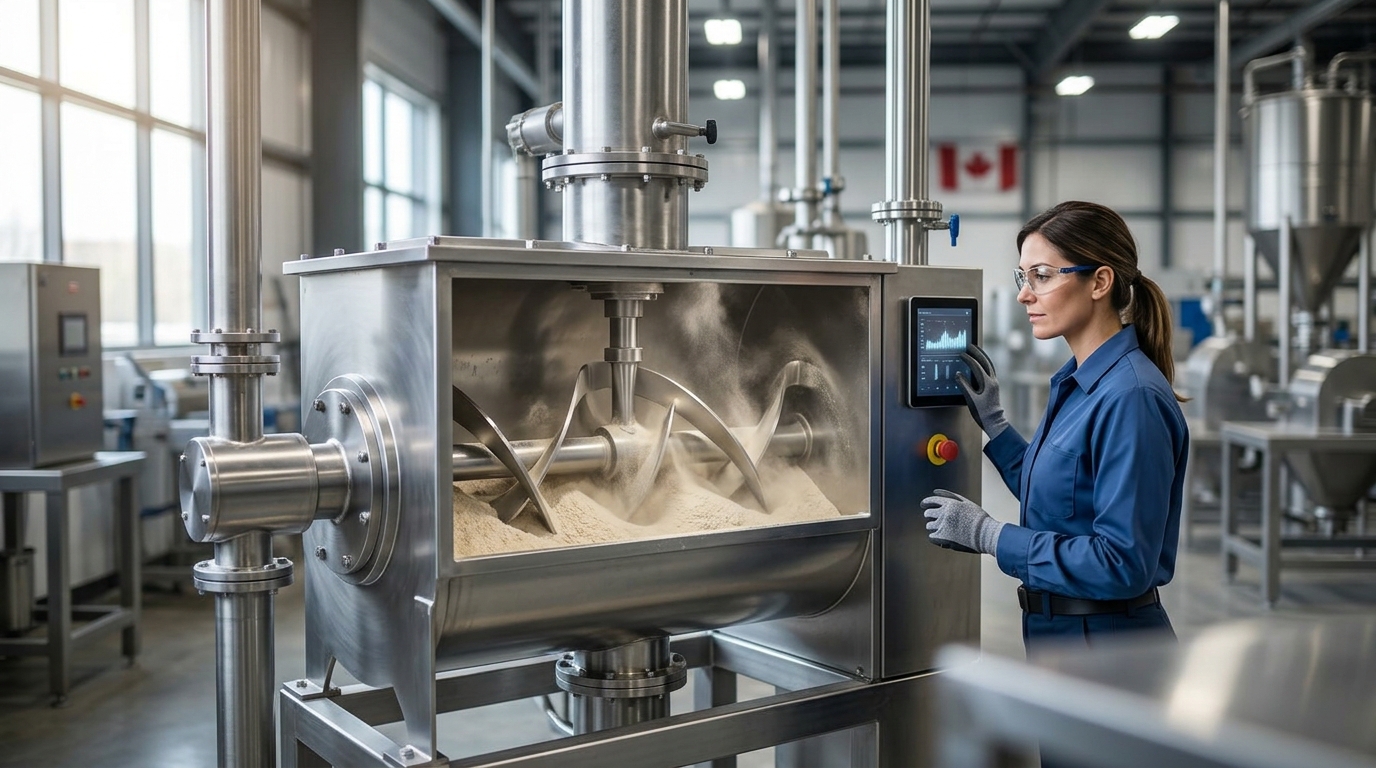
A ribbon blender is a horizontal mixing vessel that utilizes a double-cone or U-shaped trough containing a helical ribbon agitator. The agitator rotates to push material from the outer edges toward the center while simultaneously drawing material downward. This counter-flow action creates rapid homogenization without damaging fragile particulate structures. The design ensures uniform distribution of active ingredients across large batch volumes.
Manufacturers typically configure these systems with stainless steel interiors to meet strict sanitary standards. The continuous rotation eliminates dead zones where material might stagnate or degrade. Operators can adjust rotational speeds to match the specific density and flow characteristics of their target formulation. This adaptability makes the equipment highly suitable for diverse industrial applications.
Key Components of Powder Mixing Systems
Industrial powder mixing equipment relies on several critical mechanical subsystems to maintain consistent output. The primary agitator assembly features precision-welded ribbons that maximize surface contact with the product. Drive motors provide variable torque control to handle sudden load shifts during peak operation. Discharge valves operate via pneumatic or manual actuators to ensure rapid and complete material evacuation.
Additional components include safety guards, vibration dampeners, and dust extraction ports. These features collectively reduce environmental contamination and protect personnel from mechanical hazards. Facilities often integrate automated sensors to monitor temperature and pressure during extended mixing cycles. This monitoring capability prevents material degradation and ensures batch-to-batch consistency.
Evaluating Blender Capacity and Throughput
Selecting the optimal vessel size requires careful analysis of your daily production targets and material density. Most commercial units range from fifty gallons to over two thousand gallons per batch. Larger vessels reduce the number of required cycles but demand higher initial capital investment. You must calculate the fill percentage carefully to avoid overloading the agitator mechanism.
Throughput calculations should account for cleaning intervals and material changeover times. Facilities processing high-value compounds often prioritize rapid-discharge designs to minimize cross-contamination risks. Consulting with equipment specialists ensures you match the motor horsepower to your specific viscosity requirements. Proper sizing directly correlates with long-term energy savings and operational reliability.
Integration with Labelers and Cappers
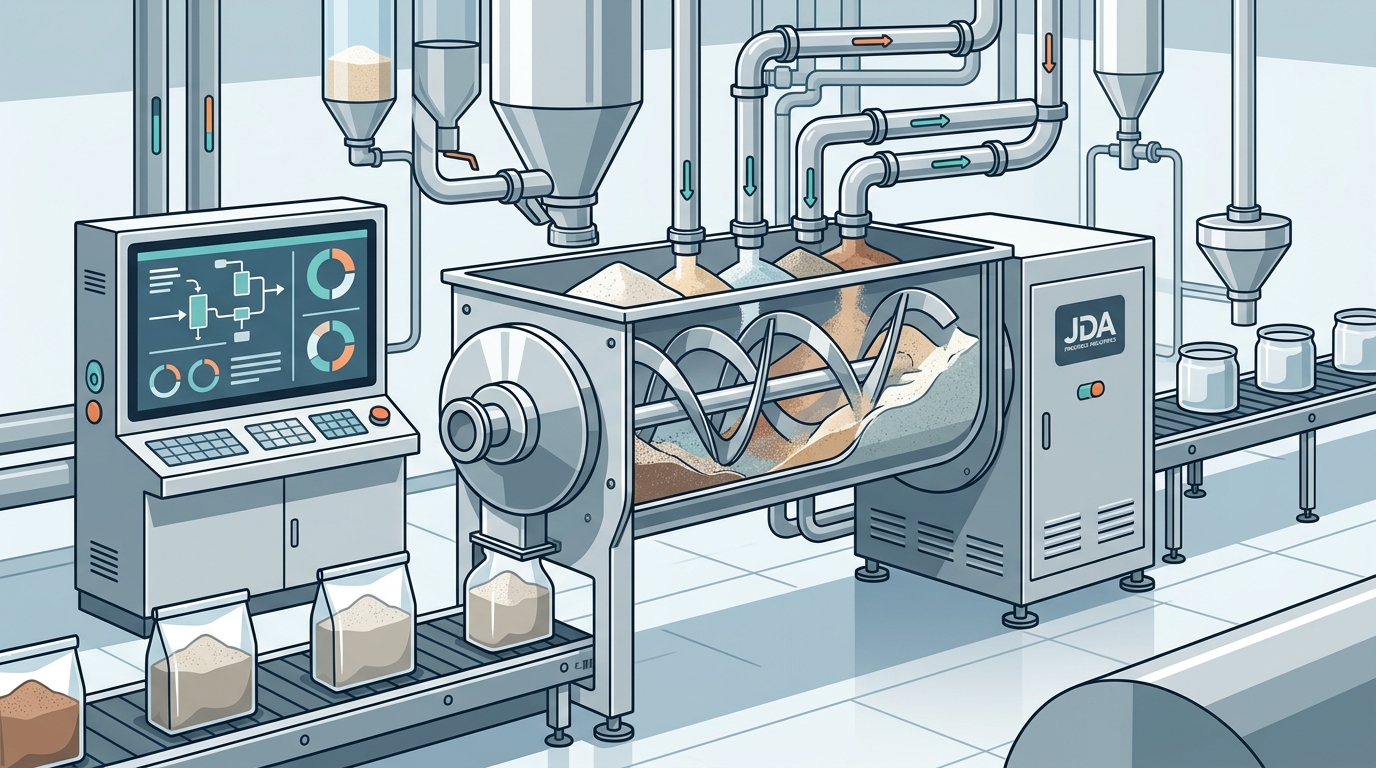
Modern packaging lines demand seamless coordination between mixing, filling, and sealing stages. A properly configured ribbon blender feeds directly into automated filling stations that measure precise product volumes. Downstream labelers apply batch-specific identifiers while capping machines secure final container integrity. This synchronized workflow eliminates manual handling errors and accelerates overall line speed.
Engineering teams often program programmable logic controllers to synchronize conveyor speeds with mixing discharge rates. This synchronization prevents bottlenecks and maintains continuous material flow. Facilities that invest in integrated systems report significantly higher equipment utilization rates. The ability to scale individual components ensures your operation adapts to fluctuating market demands.
Maintenance and Operational Efficiency
Regular inspection of drive belts, gearbox lubrication, and seal integrity extends equipment lifespan considerably. Operators should schedule routine cleaning protocols to prevent cross-contamination between product runs. Automated wash-down systems reduce labor costs while maintaining strict hygiene standards. Tracking maintenance logs helps predict component failure before unexpected downtime occurs.
Training staff on proper loading sequences and discharge procedures minimizes mechanical stress. Facilities that implement predictive maintenance programs consistently report lower repair expenditures. Partnering with experienced manufacturers ensures you receive comprehensive technical support and replacement parts. Proactive care transforms routine upkeep into a strategic operational advantage.
Equipment Specification Comparison
| Blender Type | Batch Capacity | Primary Application | Integration Level |
|---|---|---|---|
| Standard Ribbon Blender | 50 to 500 gallons | Food and chemical powders | Basic filling lines |
| High-Shear Ribbon Blender | 100 to 1000 gallons | Pharmaceutical compounds | Automated packaging |
| Continuous Ribbon Blender | Variable flow rates | High-volume manufacturing | Integrated conveyors |
| Vacuum Ribbon Blender | 75 to 750 gallons | Moisture-sensitive materials | Sealed capping systems |
Key Takeaways
- Ribbon blenders utilize counter-flow agitation to achieve rapid powder homogenization.
- Batch capacities typically range from fifty to two thousand gallons depending on facility scale.
- Stainless steel construction meets strict sanitary requirements for food and pharmaceutical applications.
- Automated discharge valves minimize cross-contamination during frequent product changeovers.
- Integration with labelers and cappers creates a continuous, high-throughput packaging workflow.
- Predictive maintenance schedules significantly reduce unexpected equipment downtime.
- Custom motor configurations optimize energy consumption for specific material densities.
Frequently Asked Questions
What defines a ribbon blender?
A ribbon blender is a horizontal mixing vessel that utilizes a double-cone or U-shaped trough containing a helical ribbon agitator to homogenize dry powders and granular materials.
How do I calculate the correct batch size?
Calculate the required volume by multiplying your daily production target by the number of required cycles, then subtract twenty percent to account for optimal fill percentages and agitator clearance.
Can ribbon blenders handle moisture-sensitive compounds?
Yes, vacuum ribbon blenders remove air and moisture during operation, making them ideal for hygroscopic materials that require strict environmental control.
What maintenance intervals are recommended?
Manufacturers typically recommend inspecting drive belts and gearbox lubrication every three hundred operating hours while scheduling full sanitation cycles between product changeovers.
How does integration improve packaging line efficiency?
Coordinating mixing discharge with automated filling and sealing stations eliminates manual handling bottlenecks and maintains continuous material flow across the entire production floor.
Are replacement parts readily available?
Established manufacturers stock critical components like agitator ribbons, discharge valves, and motor assemblies to minimize operational downtime during routine repairs.
What safety features are standard?
Modern units include emergency stop buttons, protective guarding, vibration dampeners, and dust extraction ports to ensure operator safety and environmental compliance.
How do I request a custom configuration?
Contact our engineering team to schedule a facility assessment and receive a tailored proposal that aligns with your specific throughput requirements and spatial constraints.
Next Steps
Optimizing your powder mixing workflow requires precise equipment selection and expert technical guidance. Our engineering specialists evaluate your material properties, facility layout, and production targets to design a custom solution. Schedule a facility assessment today to explore how our integrated systems can accelerate your packaging operations. Request a quote to receive a detailed proposal tailored to your specific manufacturing requirements.