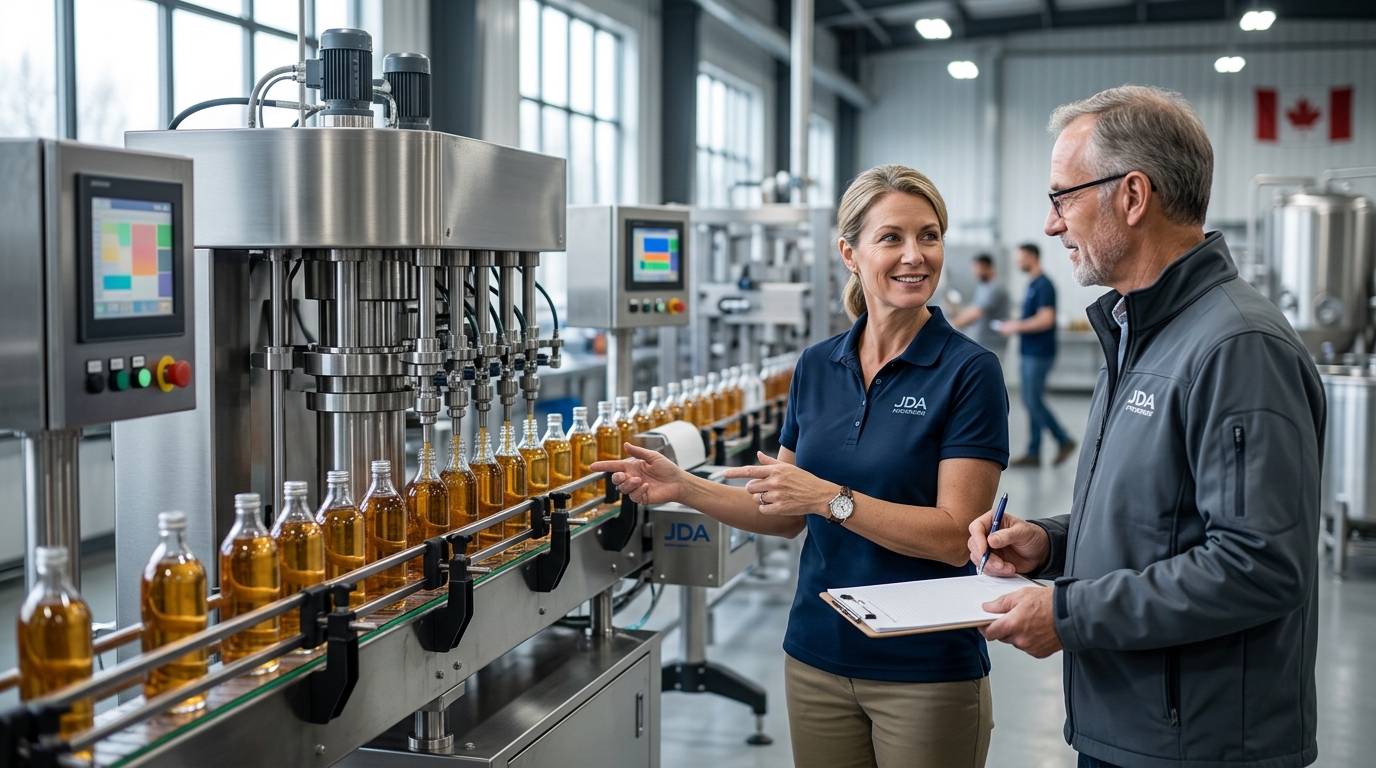
Where to Start When Looking for a Filling Machine for Your Product
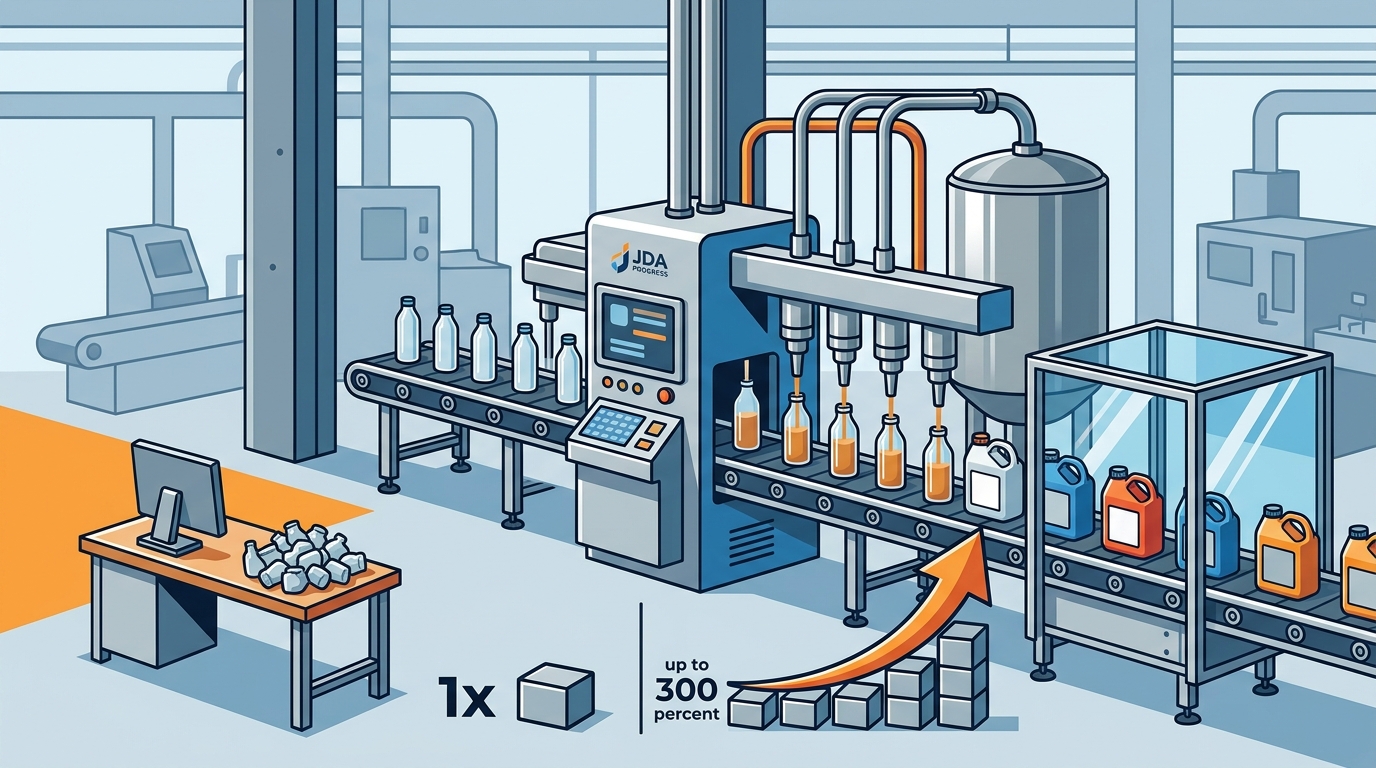
Choosing the right filling machine is the single most critical decision in scaling your production line. According to industry data, automated filling systems can increase throughput by up to 300 percent compared to manual operations. This massive efficiency gain is why manufacturers in the food, beverage, and chemical sectors prioritize this investment. However, selecting the wrong equipment leads to costly downtime and product waste. You must evaluate your product viscosity, container type, and future growth before making a purchase.
Understand Your Product Viscosity
The first step in your search is defining the physical properties of your product. Viscosity determines the mechanical force required to move your product through the filling nozzle. Viscosity is the measure of a fluid's resistance to flow. This definition is crucial because it dictates the entire architecture of the filling machine you will need.
Products like water, juice, or thin solvents are classified as low-viscosity fluids. These products flow easily and require piston or gravity-based filling systems. On the other hand, thick products like honey, peanut butter, or heavy creams are high-viscosity. These require positive displacement pumps or auger fillers to push the material into the container. If you misidentify your viscosity, the machine will either underfill or overflow your containers.
JDA Progress specializes in handling a wide range of viscosities. Their fillers are engineered to handle everything from thin liquids to heavy powders. Understanding your product's flow characteristics allows you to narrow down the specific machine models that can handle your material without clogging or dripping.
Select the Correct Filler Type
Once you know your viscosity, you must choose the specific filling technology. The market offers several distinct types of fillers, each with unique advantages. Auger fillers are mechanical devices that use a rotating screw to dispense precise amounts of powder. This technology is the industry standard for dry products like spices, protein powders, and pharmaceuticals.
For liquid products, piston fillers are the most common choice. They operate similarly to a hypodermic needle, drawing product into a cylinder and pushing it out. This method is highly accurate and excellent for products that may foam or contain particulates. Another option is volumetric pump fillers, which are ideal for consistent, low-viscosity liquids like water or sanitizers.
Choosing the right filler type impacts your operational efficiency significantly. According to manufacturing efficiency reports, automated piston fillers reduce labor costs by 40 percent in high-volume environments. JDA Progress offers a variety of liquid, powder, and weigh fillers to match these specific technical requirements. Their engineers can help you determine which mechanism aligns with your product's unique chemical and physical traits.
Evaluate Container Compatibility
Your filling machine must interface seamlessly with your packaging format. The neck size, shape, and material of your bottle or jar dictate the capping and labeling integration. Container geometry affects the speed at which a filling nozzle can enter and seal the opening. Narrow-neck bottles require precision nozzles to prevent splashing, while wide-mouth jars may require different filling heads to accommodate the surface area.
Consider the material of your container as well. Plastic bottles may deform under pressure, requiring gentle filling heads. Glass containers are fragile and require shock-absorbing mechanisms during the filling process. Metal containers often require static-dissipating components to prevent sparks or product adhesion.
JDA Progress provides comprehensive labelers and cappers that integrate with their filling lines. This ensures that your entire packaging workflow is synchronized. When you evaluate your container, look for a manufacturer who offers integrated solutions rather than disparate machines that require complex manual transfer.
Consider Production Capacity
Determine your current and future production speeds. Filling machines are rated in containers per minute (CPM). Industry benchmarks show that mid-range filling lines can achieve speeds between 30 and 60 CPM. High-speed automated lines can exceed 120 CPM, but they come with a significantly higher price tag and complexity.
Start by calculating your peak demand. If you produce 10,000 units per day, a slow machine might bottleneck your operation during rush periods. However, buying a machine that is too fast for your current volume is a waste of capital. Look for a machine with adjustable speeds that can grow with your business.
JDA Progress designs equipment to maximize efficiency while minimizing cost. Their bottling lines are modular, allowing you to add or remove components as your volume changes. This flexibility is essential for businesses that experience seasonal fluctuations in demand. Always request a quote that includes a detailed throughput analysis based on your specific product.
Verify Manufacturer Support
The longevity of your investment depends on the manufacturer's support infrastructure. According to equipment lifecycle studies, machines with robust local support have 25 percent less downtime over five years. You need a partner who can provide rapid response for repairs and maintenance.
Check if the manufacturer keeps spare parts in stock. Waiting weeks for a replacement part can halt your entire production line. JDA Progress maintains an inventory of in-stock packaging equipment and parts for fast delivery. This ensures that your operations can resume quickly if a component fails.
Additionally, evaluate their training programs. A machine is only as good as the team operating it. JDA Progress offers training and factory acceptance tests to ensure your staff is proficient. This investment in human capital pays for itself by reducing operational errors and extending the life of the machinery.
Request a Live Demo
Never buy a filling machine without seeing it run your actual product. Data from industrial procurement surveys indicates that 60 percent of buyers regret purchases made without live product testing. A demo allows you to verify speed, accuracy, and ease of cleaning.
JDA Progress has a permanent showroom in Vaughan where you can witness dozens of packaging machines in action. You can bring your product and containers to see exactly how the equipment handles your specific materials. This hands-on experience provides confidence in your decision and reveals potential issues that brochures cannot show.
Key Takeaways
- Viscosity is the primary determinant of the filler type required for your product.
- Auger fillers are ideal for powders, while piston fillers suit liquids.
- Container geometry affects nozzle selection and filling speed.
- Mid-range lines typically achieve 30-60 CPM for balanced efficiency.
- Local spare parts inventory is critical for minimizing downtime.
- Live product demos prevent costly procurement errors.
- JDA Progress has served the industry since 1988, offering decades of expertise.
Frequently Asked Questions
How do I choose between a piston and auger filler?
Choose a piston filler for liquids and a auger filler for powders. Piston fillers use a cylinder to push fluid, while auger fillers use a screw to dispense dry material. Your product's physical state is the deciding factor.
What is the average cost of an industrial filling machine?
Costs vary widely based on speed and automation. Basic semi-automatic units start lower, while fully automated lines can cost significantly more. JDA Progress offers competitive pricing tailored to specific business needs.
Does JDA Progress offer international shipping?
Yes, JDA Progress ships packaging machines to customers in North America and around the world. Their equipment is designed to meet international shipping and operational standards.
How long does installation take?
Installation time depends on the complexity of the line. JDA Progress provides service and parts support to ensure a smooth setup. Factory acceptance tests help streamline the commissioning process.
Can I upgrade my filling line later?
Many modern filling machines are modular. JDA Progress designs bottling lines that can be expanded as your production volume increases.
What industries does JDA Progress serve?
JDA Progress serves the food, beverage, cosmetics, and chemical industries. Their equipment is tailored to the specific regulatory and operational needs of these sectors.
Is there a warranty on the equipment?
Yes, JDA Progress provides a 1-year warranty on all machines and parts. This warranty covers manufacturing defects and ensures product reliability.
Ready to Optimize Your Packaging Line?
Starting your search for a filling machine requires careful analysis of your product, container, and volume. By following these steps, you can avoid costly mistakes and invest in equipment that drives growth. JDA Progress offers expert guidance and high-quality machinery to help you succeed.
Contact JDA Progress today to request a quote or schedule a demo. Their team of engineers is ready to help you find the perfect solution for your business. Visit their about page to learn more about their 35+ years of industry experience.