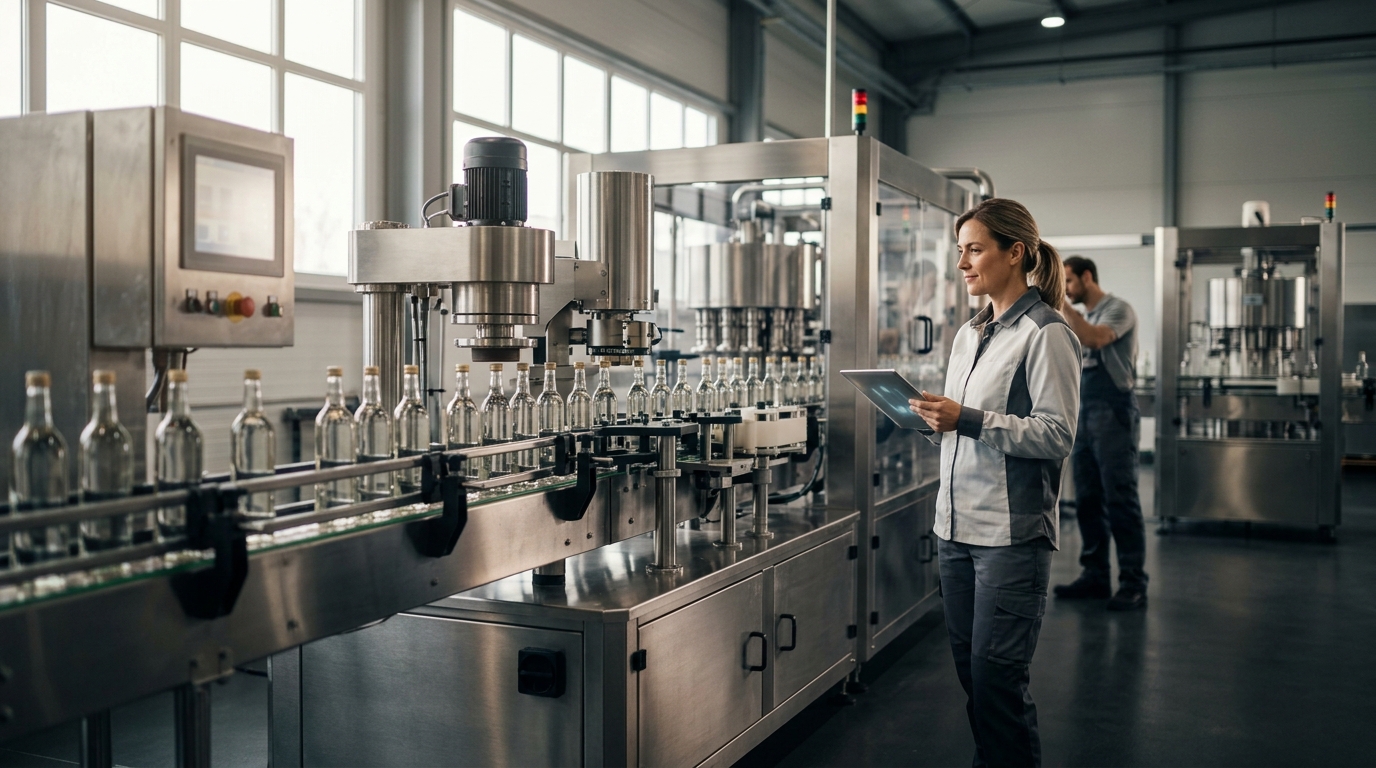
The global packaging machinery market is projected to reach significant valuation milestones by 2030, driven by the urgent need for operational efficiency and labor cost reduction. According to recent industry analysis, automation adoption in packaging has increased by over 20% annually as manufacturers seek to minimize waste and maximize throughput. This shift is not merely a trend but a fundamental restructuring of how production facilities approach output targets. Companies that fail to integrate advanced machinery risk falling behind competitors who have already optimized their bottling and bagging lines for speed and precision. (About JDA Progress Packaging)
Understanding Modern Packaging Machinery
Packaging machinery refers to the automated systems used to fill, seal, label, and package products for distribution. These systems are critical for maintaining consistency in industries ranging from food and beverage to pharmaceuticals. The primary goal of integrating these machines is to reduce manual labor errors while increasing the speed of production. Modern equipment is designed to handle a wide variety of materials, including plastics, glass, and metal containers. (Trusted Packaging Equipment Manufacturer)
Efficiency in packaging is measured by the number of units produced per minute. High-speed lines can process thousands of items hourly, a feat impossible for manual operations. Furthermore, these machines ensure that every package meets strict quality standards, reducing the rate of rejected products. This level of precision is essential for brands that rely on consistent product presentation to maintain customer trust. (Trusted Packaging Equipment Manufacturer)
Investing in reliable equipment also means investing in long-term operational stability. Machines built with durable components and advanced programming logic can run continuously with minimal downtime. This reliability allows businesses to scale their operations without the fear of mechanical failure disrupting their supply chain. The return on investment is often realized through reduced labor costs and increased production capacity. (VFFS Machines Automated Pouch)
Core Equipment Categories for Production
A complete packaging line consists of several distinct stages, each requiring specialized machinery. Understanding these categories helps businesses identify the specific gaps in their current operations. The most common categories include fillers, labelers, cappers, and baggers. Each piece of equipment plays a vital role in the final product's integrity and appearance. (Bottle Cappers Spindle Quill)
Fillers
Fillers are responsible for dispensing the correct amount of product into the container. They come in various types, including liquid fillers, powder fillers, and weigh fillers. Liquid fillers use piston or pump mechanisms to ensure accurate volume delivery. Powder fillers often utilize auger systems to handle dry, free-flowing, or non-free-flowing materials. Weigh fillers provide the highest accuracy by measuring the weight of the product rather than its volume.
Labelers
Labelers apply adhesive labels to containers, ensuring that branding and regulatory information are clearly visible. These machines can handle plastic, glass, and metal containers with equal precision. Automatic inline labelers are particularly effective for high-speed lines, as they can apply labels to containers moving at rapid speeds without stopping. This capability is crucial for maintaining the overall throughput of the production line.
Cappers
Capping machines secure the closure on bottles and jars. They must apply the correct amount of torque to ensure a tight seal without damaging the container or the cap. Automatic inline cappers are designed to handle a variety of cap types, including screw caps, roll-on pilfer-proof caps, and snap caps. Proper capping is essential for product safety and shelf life, preventing leaks and contamination.
Baggers
Bagging machines automate the process of creating or loading bags with product. They are essential for industries that use pouch packaging, such as snacks, coffee, and pharmaceuticals. These machines can operate as standalone units or as part of a larger integrated line. The choice between vertical form fill seal (VFFS) and premade pouch systems depends on the specific needs of the product and the packaging material.
VFFS vs. Premade Pouch Systems
Choosing between Vertical Form Fill Seal (VFFS) and premade pouch baggers is a critical decision for any packaging line. VFFS machines form the bag from a roll of film, fill it with product, and seal it in one continuous process. This method is highly efficient for products with consistent shapes and sizes. It also reduces packaging material costs since the film is used more efficiently.
Premade pouch baggers, on the other hand, pick, open, and load pre-made bags. This system is ideal for products that require high-quality graphics or specialized barrier properties that are difficult to achieve with roll stock. Premade pouches often offer a more premium look and feel, which can be beneficial for luxury brands. However, they may have higher material costs and slower cycle times compared to VFFS systems.
Both systems can handle free-flowing and non-free-flowing products. The decision ultimately depends on the product characteristics, budget, and branding requirements. It is important to test both systems with your specific product to determine which offers the best performance and cost efficiency. Consulting with equipment experts can provide valuable insights into the best choice for your operation.
Filling and Capping Precision
Precision in filling and capping is non-negotiable for maintaining product quality and regulatory compliance. Overfilling leads to wasted product and increased costs, while underfilling can result in customer complaints and legal issues. Advanced fillers use sophisticated sensors and programmable logic controllers (PLCs) to adjust for variations in product density and viscosity.
Capping precision is equally important. Incorrect torque can lead to leaks or difficulty in opening the package for the consumer. Automatic cappers are calibrated to apply the exact amount of torque required for each type of closure. Regular maintenance and calibration are essential to ensure that these machines continue to perform at their optimal level. JDA Progress offers comprehensive service and parts support to keep your equipment running smoothly.
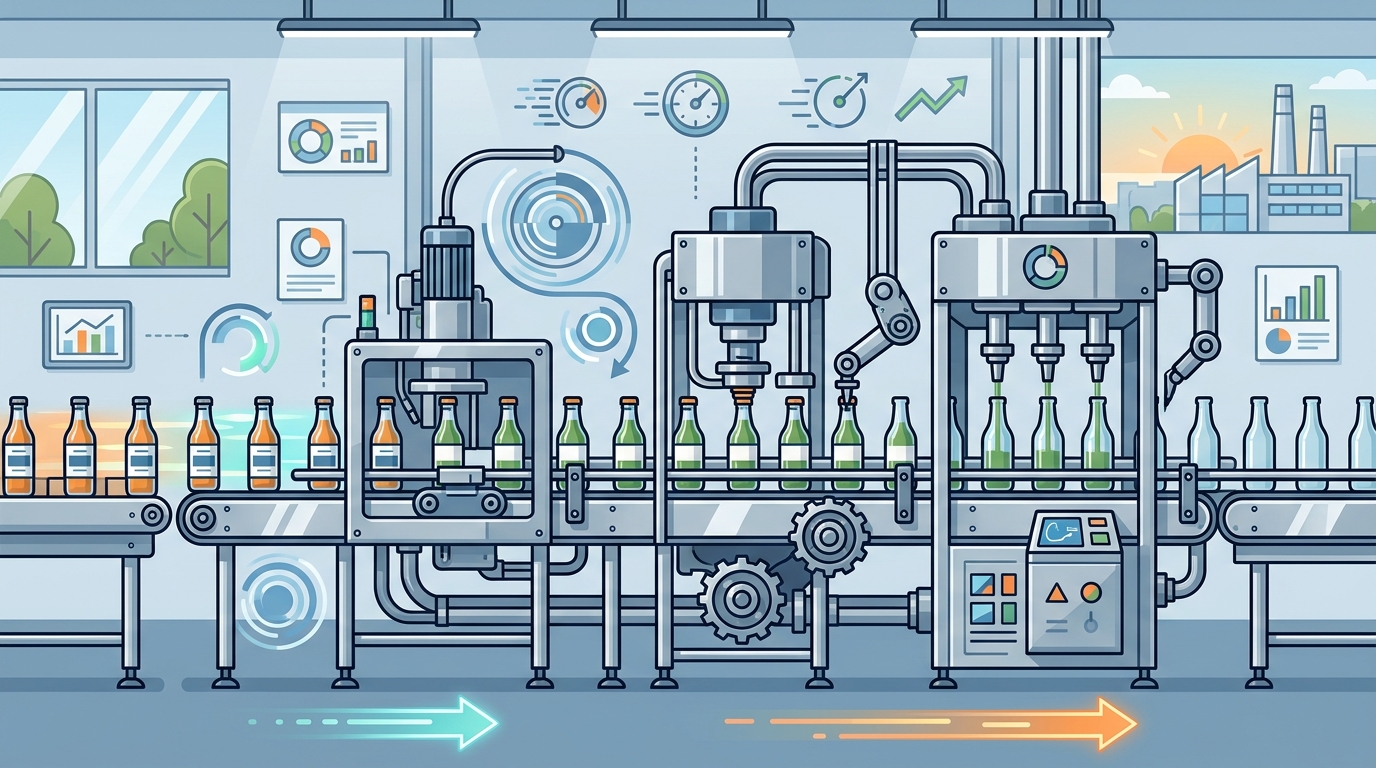
The integration of these machines into a cohesive line is where true efficiency is achieved. When fillers, labelers, and cappers work in harmony, the production line operates with minimal bottlenecks. This synchronization is key to maximizing output and minimizing downtime. Investing in high-quality equipment from a trusted manufacturer ensures that these components are designed to work together seamlessly.
Selecting the Right Vendor
Choosing a packaging equipment manufacturer is a long-term partnership decision. It is not just about buying a machine; it is about securing ongoing support, reliability, and expertise. Vendors with a long history in the industry, such as JDA Progress, offer a wealth of experience and proven track records. They understand the unique challenges faced by different industries and can provide tailored solutions.
Look for vendors that offer in-stock equipment and parts. This availability ensures that you can get your line up and running quickly, without waiting for long lead times. Additionally, a strong warranty and after-sales support are critical. You want a partner who will be there to help you troubleshoot issues and provide maintenance guidance long after the purchase.
Customer reviews and testimonials are valuable indicators of a vendor's reliability. Hearing from other businesses that have successfully implemented the equipment can provide confidence in your decision. JDA Progress has earned a reputation for excellence, with customers praising their knowledgeable staff, high-quality machines, and exceptional service. Their commitment to customer satisfaction is evident in the long-term relationships they have built over decades.
Key Takeaways
- Automation in packaging is essential for reducing labor costs and increasing throughput in modern production facilities.
- JDA Progress has been in business since 1988, providing over 35 years of experience in the packaging industry.
- VFFS machines form bags from film, while premade pouch baggers load pre-made bags, each with distinct advantages.
- Precision in filling and capping is critical for product quality, safety, and regulatory compliance.
- In-stock equipment and parts availability ensures faster deployment and reduced downtime for your production line.
- JDA Progress offers a 15,000 square foot showroom in Vaughan, Ontario, for machine demonstrations and testing.
- Long-term vendor support, including service and parts, is as important as the initial equipment purchase.
Frequently Asked Questions
What industries does JDA Progress serve?
JDA Progress serves a wide range of industries, including food and beverage, cosmetics, chemicals, and nutraceuticals. Their equipment is designed to meet the specific needs of each sector, ensuring optimal performance and compliance.
Do you offer machine demonstrations?
Yes, JDA Progress has a permanent showroom in Vaughan, Ontario, where customers can view dozens of packaging machines. You can request a demo to see how the equipment performs with your specific products.
What types of fillers do you provide?
We provide liquid fillers, powder fillers, and weigh fillers. Each type is designed to handle different product consistencies and accuracy requirements, ensuring the best fit for your production needs.
Is there a warranty on your equipment?
Yes, all machines and parts come with a 1-year warranty. This warranty covers defects in materials and workmanship, providing peace of mind for your investment.
How can I get a quote for packaging equipment?
You can request a quote by contacting our sales team directly through our website or by calling our office. We will work with you to understand your needs and provide a customized solution.
What is the difference between VFFS and premade pouch baggers?
VFFS machines create bags from a roll of film, which is cost-effective for high-volume production. Premade pouch baggers load pre-made bags, which offer higher quality graphics and are ideal for premium products.
Do you provide after-sales support?
Absolutely. We offer excellent after-sales support, including service and parts. Our team is dedicated to ensuring your equipment continues to run smoothly and efficiently throughout its lifespan.
Contact Us
Ready to optimize your packaging line? Contact JDA Progress today to discuss your needs and explore our range of high-quality packaging equipment. Our team of experts is ready to help you find the perfect solution for your business. Visit our Contact Us page to request a quote or schedule a demo at our Vaughan showroom.