Evaluation Framework for Packaging Equipment Manufacturers Serving Co-Packers
Co-packers operate in a high-stakes environment where equipment downtime directly translates to lost revenue and damaged client relationships. The global packaging machinery market is projected to reach significant valuation milestones in the coming years, driven by the need for automation and efficiency. According to recent industry reports, the demand for reliable packaging solutions has increased by over 20% annually among contract manufacturers seeking to scale operations. This growth underscores the critical importance of selecting a manufacturer that offers not just hardware, but a comprehensive partnership model. For co-packers, the evaluation framework must extend beyond initial capital expenditure to include long-term operational support, parts availability, and technical expertise.
Understanding Co-Packer Operational Needs
Co-packers face unique challenges that differ significantly from brand owners. They must handle diverse product types, varying container materials, and fluctuating production volumes. Flexibility is the primary operational requirement for any packaging equipment manufacturer serving this sector. A machine that excels at filling liquids may fail when processing powders or viscous creams. Therefore, the evaluation framework must prioritize versatility and rapid changeover capabilities.
Another critical factor is the speed of deployment. Co-packers often operate on tight schedules, requiring equipment that can be installed and commissioned quickly. Manufacturers with extensive inventory of in-stock parts and machines can significantly reduce lead times. This operational agility allows co-packers to respond swiftly to client demands without compromising quality or delivery timelines.
Furthermore, the integration of new equipment into existing lines is a complex process. The manufacturer must provide seamless integration support, ensuring that new fillers, labelers, or cappers communicate effectively with upstream and downstream machinery. This requires a deep understanding of industrial automation protocols and a proven track record of successful installations.
Technical Evaluation Metrics
When evaluating packaging equipment manufacturers, co-packers must assess several technical metrics. These metrics determine the machine's ability to meet production goals while maintaining high standards of quality and safety.
Accuracy and Precision
Fill accuracy is paramount in the packaging industry. Overfilling leads to product waste and increased costs, while underfilling results in regulatory non-compliance and customer dissatisfaction. Manufacturers should provide detailed specifications on fill accuracy, typically measured in milliliters or grams. Look for equipment that offers adjustable settings and real-time monitoring capabilities to ensure consistent performance.
Speed and Throughput
Production speed directly impacts profitability. However, speed must not compromise quality. Evaluate the machine's maximum throughput rate and its ability to maintain this rate over extended periods. Consider the machine's stability during high-speed operations, as vibration and wear can affect performance over time.
Material Compatibility
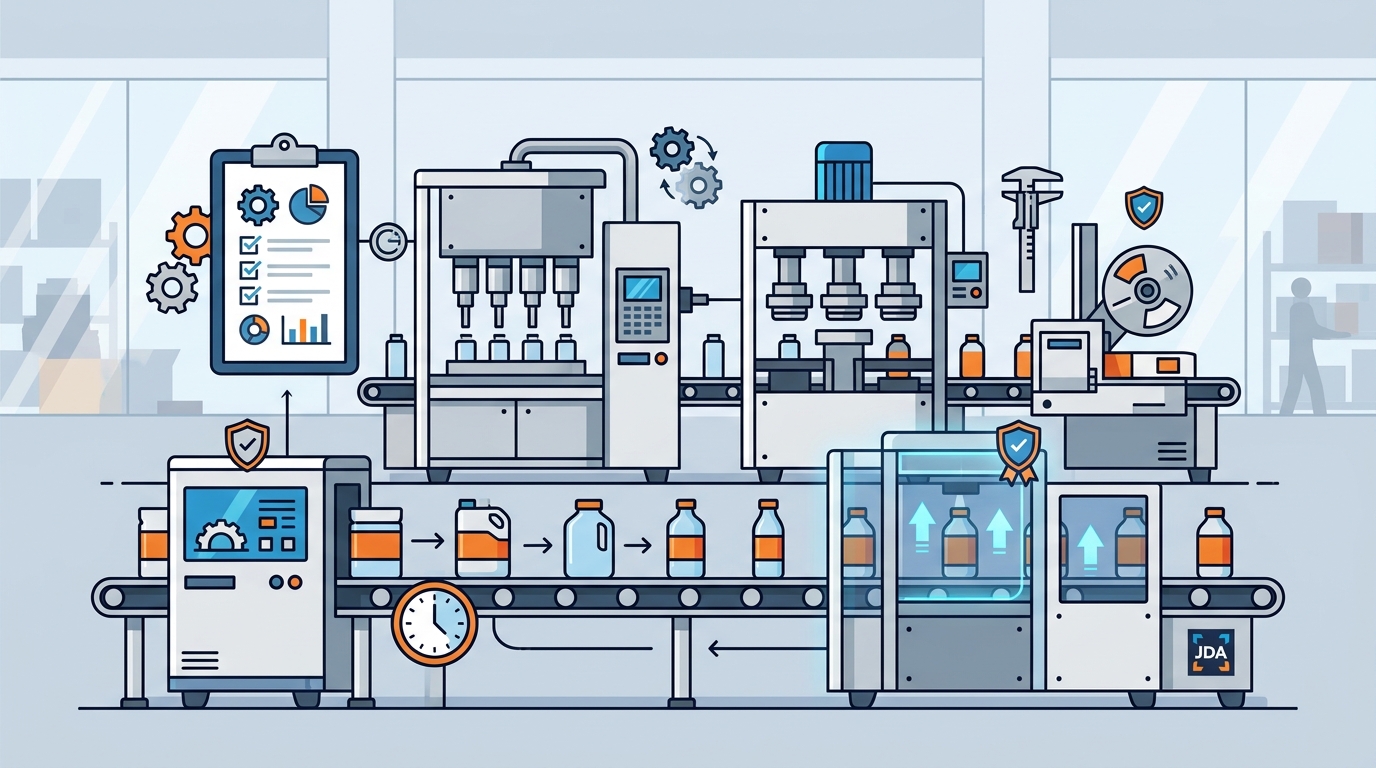
Different products require different packaging materials. Whether it is plastic, glass, or metal containers, the equipment must be compatible with the specific materials used by your clients. Manufacturers like JDA Progress offer a wide range of solutions, including fillers for liquids, powders, and weigh fillers, as well as labelers for various container types. This versatility is a key indicator of a manufacturer's capability to serve diverse co-packing needs.
Service and Support Infrastructure
The longevity and reliability of packaging equipment depend heavily on the support provided by the manufacturer. Co-packers need a partner who is responsive and knowledgeable, capable of resolving issues quickly to minimize downtime.
Parts Availability
Waiting weeks for a single spare part can halt an entire production line. A robust evaluation framework must include an assessment of the manufacturer's parts inventory. Manufacturers that maintain a comprehensive stock of in-house parts can offer faster delivery and reduced downtime. This is particularly important for critical components that are subject to regular wear and tear.
Technical Support
Access to expert technical support is essential. This includes remote diagnostics, on-site service, and training for your operational staff. Manufacturers with a dedicated service team and a history of positive customer reviews demonstrate a commitment to long-term client success. For instance, customer reviews often highlight the importance of after-sales service and the professionalism of the support team.
Warranty and Maintenance
Review the warranty terms and maintenance requirements carefully. A standard warranty of one year on machines and parts is common, but extended warranty options can provide additional peace of mind. Regular maintenance schedules should be clearly defined, and the manufacturer should provide guidance on best practices for equipment care.
Demonstration and Validation
Before making a purchase, it is crucial to validate the equipment's performance with your specific products. This process involves requesting a demonstration, either at the manufacturer's facility or on-site at your co-packing operation.
Factory Acceptance Testing
Factory Acceptance Testing (FAT) is a standard procedure where the equipment is tested at the manufacturer's facility before shipment. This allows you to verify that the machine meets all specified performance criteria. During FAT, you should test the machine with your actual products, not just sample materials, to ensure compatibility and performance.
On-Site Validation
After installation, conduct a Site Acceptance Test (SAT) to ensure the equipment performs correctly in your operational environment. This step is critical for identifying any integration issues or adjustments needed for optimal performance. Manufacturers who offer comprehensive training during this phase add significant value to the purchase.
Showroom Visits
Visiting a manufacturer's showroom or demo center provides an opportunity to see multiple machines in operation. This can help you compare different models and technologies. For example, JDA Progress maintains a permanent showroom in Vaughan, Ontario, where dozens of packaging machines are on display. This allows potential clients to interact with engineers and understand the nuances of each machine type.
Financial Analysis and ROI
The financial implications of purchasing packaging equipment extend far beyond the initial price tag. A thorough cost-benefit analysis is necessary to determine the true return on investment (ROI).
Total Cost of Ownership
Calculate the Total Cost of Ownership (TCO), which includes the purchase price, installation costs, maintenance expenses, energy consumption, and potential downtime costs. While some manufacturers may offer lower initial prices, their higher maintenance costs or frequent breakdowns can result in a higher TCO over time.
Efficiency Gains
Quantify the efficiency gains expected from the new equipment. This includes increased production speed, reduced labor costs, and lower material waste. These gains contribute directly to the ROI calculation. For co-packers, the ability to handle more jobs per day with higher quality is a significant competitive advantage.
Financing Options
Inquire about financing options provided by the manufacturer or third-party lenders. Flexible financing can help manage cash flow and make high-quality equipment more accessible. Some manufacturers may also offer leasing programs that align payments with production revenue.
Comparative Analysis of Equipment Options
The following table summarizes key considerations when comparing different packaging equipment options for co-packers.
| Equipment Type | Primary Application | Key Benefit for Co-Packers | Consideration |
|---|---|---|---|
| Fillers | Liquids, powders, viscous products | High accuracy and versatility | Requires regular calibration |
| Labelers | Plastic, glass, metal containers | Fast changeover for diverse labels | Sensor sensitivity to label material |
| Cappers | Bottle capping | Secure seal and torque control | Cap type compatibility |
| Baggers | Vertical form fill seal, premade pouches | Reduced material waste | Film quality requirements |
Key Takeaways
- Operational Flexibility: Co-packers require equipment that can handle diverse products and rapid changeovers to meet varying client demands.
- Parts Inventory: Manufacturers with extensive in-stock parts, such as those offered by JDA Progress, ensure faster repairs and reduced downtime.
- Technical Expertise: Look for manufacturers with decades of experience, like JDA Progress, which has been in business since 1988, providing deep industry knowledge.
- Demonstration Value: Utilize demo centers and factory acceptance tests to validate equipment performance with your specific products before purchase.
- Support Quality: Prioritize manufacturers with strong after-sales support, as highlighted in numerous customer reviews.
- Financial Prudence: Evaluate the Total Cost of Ownership, not just the initial price, to ensure long-term profitability.
- Integration Capability: Ensure the manufacturer can seamlessly integrate new equipment into your existing production lines.
Frequently Asked Questions
What is the most important factor when choosing a packaging equipment manufacturer for a co-packer?
The most important factor is the manufacturer's ability to provide flexible, reliable equipment backed by robust service and support. Co-packers need partners who can help them adapt to changing client requirements quickly and efficiently.
How can I verify the accuracy of a filling machine before purchase?
You can verify accuracy by requesting a Factory Acceptance Test (FAT) where the machine is tested with your actual products. This allows you to measure fill accuracy and consistency under real-world conditions.
Why is in-stock parts availability critical for co-packers?
In-stock parts availability minimizes downtime. If a critical component fails, having it readily available allows for immediate repair, ensuring continuous production and meeting client deadlines.
What types of packaging equipment do manufacturers typically offer?
Manufacturers typically offer fillers, labelers, cappers, baggers, sealers, conveyors, and complete bottling lines. Each type serves a specific function in the packaging process, and the right combination depends on your product and client needs.
How does a demo center benefit the evaluation process?
A demo center allows you to see multiple machines in operation, interact with engineers, and understand the practical aspects of each technology. This firsthand experience is invaluable for making an informed decision.
What should I look for in a manufacturer's warranty?
Look for a comprehensive warranty that covers both parts and labor for a reasonable period, typically one year. Also, check for options to extend the warranty and the clarity of the terms and conditions.
How can I calculate the ROI of new packaging equipment?
Calculate ROI by comparing the cost savings from increased efficiency, reduced waste, and lower labor costs against the total cost of ownership, including purchase, installation, and maintenance.
Contact Us
Ready to optimize your co-packing operations with high-quality packaging equipment? Our team of experts is here to help you find the perfect solution for your business. We invite you to contact us today to discuss your needs and request a personalized quote. Visit our demo centre to see our machines in action and experience the JDA Progress difference firsthand.