How to Select Packaging Equipment for Contract Manufacturing and Co-Packing Operations
Contract manufacturers and co-packers operate in a high-stakes environment where speed, versatility, and reliability dictate profitability. The global contract packaging market is projected to grow significantly, driven by the increasing demand for outsourced production services across food, beverage, and pharmaceutical sectors. According to recent industry analysis, the contract packaging market size is expected to expand at a compound annual growth rate that reflects the shifting landscape of global supply chains. For operators managing multiple client SKUs, selecting the right machinery is not merely a capital expenditure decision; it is a strategic imperative that determines your ability to scale and retain high-value clients. (About JDA Progress Packaging)
Understanding Unique Contract Packaging Needs
Contract manufacturing differs fundamentally from private label production. While a brand owner typically runs high volumes of a single SKU, a co-packer must handle diverse product types, varying container materials, and fluctuating order sizes. This operational reality demands equipment that can adapt quickly without sacrificing precision. The core challenge lies in balancing the need for rapid changeovers with the requirement for consistent, high-quality output. (VFFS Machines Automated Pouch)
When evaluating your facility's requirements, consider the specific industries you serve. Are you packaging viscous sauces, free-flowing powders, or delicate cosmetics? Each category imposes different mechanical stresses on your machinery. For instance, powder filling requires dust control and precise volumetric or weigh-based measurement to prevent cross-contamination and ensure label accuracy. Conversely, liquid filling demands strict hygiene standards and leak-proof sealing mechanisms. Understanding these nuances allows you to filter out equipment that looks good on paper but fails in the dynamic environment of a co-packing plant.
Furthermore, regulatory compliance is non-negotiable. In the food and nutraceutical sectors, equipment must be designed for easy cleaning and sanitation. Stainless steel construction, sanitary design principles, and accessible components are not optional features; they are baseline requirements for any serious co-packing operation. Ignoring these factors can lead to costly downtime during audits or product recalls.
Evaluating Machine Versatility and Changeover Speed
Versatility is the currency of the contract packaging industry. Your clients expect you to switch from a 16-ounce jar of peanut butter to a 32-ounce bottle of hot sauce with minimal interruption. Therefore, the speed and ease of changeover become critical metrics when selecting equipment. Machines that require extensive tooling, lengthy recalibration, or specialized technical expertise to switch formats will erode your profit margins through lost production time.
Look for equipment designed with quick-change parts and intuitive human-machine interfaces (HMIs). Modern packaging machines often feature servo-driven mechanisms that allow operators to save multiple recipes and switch formats via a touchscreen. This digital flexibility reduces human error and accelerates the transition between jobs. Additionally, consider the physical footprint of the machinery. In a crowded co-packing facility, modular designs that can be reconfigured or expanded as your business grows offer significant long-term value.
Another critical aspect of versatility is the range of container types the machine can handle. A robust capping or labeling machine should accommodate various cap styles, bottle diameters, and material types without requiring major structural modifications. This adaptability ensures that you can accept a wider variety of client requests, thereby increasing your total addressable market within the contract manufacturing sector.
Critical Equipment Categories for Co-Packers
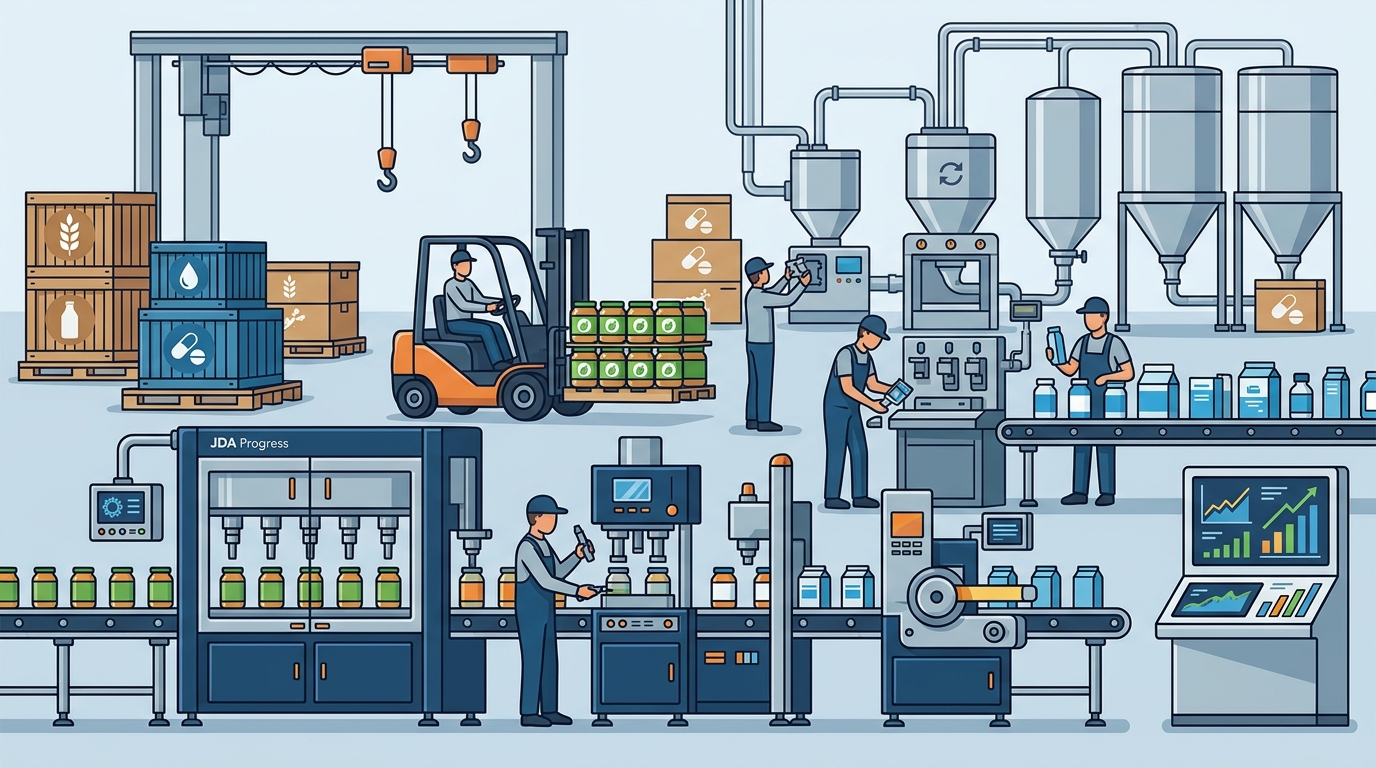
To build a competitive co-packing operation, you need a cohesive line of equipment that covers the entire packaging workflow. Below is a breakdown of the essential categories and their specific roles in a high-efficiency facility.
Fillers: Precision and Speed
Fillers are the heart of any packaging line. They come in various forms, including piston fillers for viscous products, gravity fillers for free-flowing liquids, and weigh fillers for powders and granules. The choice depends on your product's viscosity and your required throughput. High-speed piston fillers can deliver exceptional accuracy for creams and sauces, while weigh fillers provide the flexibility needed for variable-density powders. Ensuring your fillers are calibrated correctly minimizes product giveaway, which directly impacts your bottom line.
Labelers: Brand Presentation
Labeling is often the final touchpoint before the product reaches the consumer. Inaccurate or crooked labels can lead to rejected shipments and damaged client relationships. JDA Progress offers advanced labeling solutions for plastic, glass, and metal containers. These machines ensure consistent application, even on irregular surfaces or high-speed lines. A reliable labeler reduces waste and ensures that your clients' brands are presented professionally on every unit.
Cappers and Sealers: Integrity and Safety
The integrity of the seal determines the shelf life and safety of the product. Capping machines must apply the correct torque to ensure tamper-evident seals without damaging the container. Similarly, bagging machines, such as Vertical Form Fill Seal (VFFS) units, create secure, airtight packages for dry goods. These systems form, fill, and seal bags from a roll of film, offering a cost-effective solution for a wide range of products. The reliability of your capping and sealing equipment is paramount to preventing leaks and contamination.
Conveyors and Unscramblers: Flow Management
Smooth material flow is essential for maintaining line speed. Unscramblers orient containers correctly for filling and labeling, while conveyors transport products between stations. Properly integrated conveyors prevent bottlenecks and reduce the risk of container damage. Investing in high-quality conveyors ensures that your line operates as a unified system rather than a collection of isolated machines.
The Importance of Inventory and Technical Support
In the world of contract manufacturing, downtime is the enemy. When a machine breaks down, you lose production time, miss delivery deadlines, and potentially lose clients. Therefore, the availability of spare parts and technical support is just as important as the initial purchase price. Choosing a vendor with a robust inventory of in-stock parts can drastically reduce your mean time to repair (MTTR).
JDA Progress, for example, maintains a significant inventory of packaging equipment and spare parts, ensuring fast delivery and minimal downtime for their clients. This commitment to support is reflected in their long-term customer relationships. Many co-packers have relied on JDA for over 15 years, citing the company's professionalism and helpfulness as key factors in their continued partnership. This level of support is critical for maintaining operational continuity.
Additionally, consider the training and commissioning services offered by the vendor. A vendor that provides comprehensive training on machine operation and maintenance empowers your team to troubleshoot minor issues independently. This self-sufficiency reduces your reliance on external service calls and lowers your total cost of ownership. Factory acceptance tests (FAT) are also crucial. These tests allow you to verify that the machine meets your specific requirements before it leaves the manufacturer's facility, ensuring a smoother installation and startup process.
Comparing Vendor Propositions and ROI
When evaluating potential equipment suppliers, look beyond the sticker price. Consider the total cost of ownership, including energy consumption, maintenance requirements, and potential resale value. A machine with a higher upfront cost may offer better energy efficiency and lower maintenance needs, resulting in a faster return on investment (ROI). Additionally, assess the vendor's reputation and industry experience. A vendor with decades of experience, such as JDA Progress, which has been in business since 1988, brings a wealth of knowledge and proven reliability to the table.
It is also wise to request demonstrations of the equipment using your own products. This hands-on evaluation allows you to assess the machine's performance, ease of use, and suitability for your specific applications. Many manufacturers, including JDA Progress, offer demo centers where you can see their equipment in action. This opportunity to test the machinery in a real-world setting provides invaluable insights that brochures and specifications cannot match.
Comparison of Key Vendor Attributes
| Attribute | Importance for Co-Packers | Key Questions to Ask |
|---|---|---|
| Spare Parts Availability | Critical for minimizing downtime | Do you keep parts in stock? What is the lead time for specialized components? |
| Changeover Speed | High for multi-SKU operations | How long does a typical changeover take? Are tools included? |
| Technical Support | Essential for long-term reliability | Is support available 24/7? Do you offer remote diagnostics? |
| Warranty Coverage | Important for risk mitigation | What is the warranty period? Does it cover labor and parts? |
| Training Programs | Valuable for operational efficiency | Do you provide on-site training? Are training materials included? |
Key Takeaways
- Versatility is Vital: Choose equipment that can handle multiple product types and container formats to maximize your client base.
- Speed Matters: Fast changeover capabilities are essential for maintaining profitability in a multi-SKU environment.
- Support is Key: Prioritize vendors with robust spare parts inventories and responsive technical support to minimize downtime.
- Experience Counts: Partner with manufacturers who have decades of industry experience, such as JDA Progress, which has served clients since 1988.
- Test Before You Buy: Utilize demo centers to evaluate equipment performance with your specific products before making a commitment.
- ROI Analysis: Consider the total cost of ownership, including energy, maintenance, and training, when comparing vendors.
- Compliance First: Ensure all equipment meets industry-specific hygiene and safety standards to avoid regulatory issues.
Frequently Asked Questions
What is the most important factor when selecting packaging equipment for co-packing?
The most important factor is versatility combined with reliability. Co-packers must handle diverse products and containers efficiently, so equipment that supports quick changeovers and minimal downtime is essential for maintaining profitability and client satisfaction.
How does JDA Progress support contract manufacturers?
JDA Progress provides comprehensive support including in-stock spare parts for fast delivery, extensive training and factory acceptance tests, and a dedicated service team. Their long-standing reputation, built over 35 years, ensures reliable after-sales care and technical assistance.
What types of packaging machines does JDA Progress offer?
JDA Progress offers a wide range of packaging equipment including fillers for liquids and powders, labelers for various container materials, cappers, baggers (VFFS and premade pouch), sealers, conveyors, and unscramblers. They also provide complete bottling line solutions.
Why is a demo center important for equipment selection?
A demo center allows you to test equipment with your actual products, verifying performance, ease of use, and suitability for your specific applications. This hands-on experience reduces the risk of purchasing unsuitable machinery and ensures a better fit for your operational needs.
What industries does JDA Progress serve?
JDA Progress serves a variety of industries including food and beverage, cosmetics, chemicals, and nutraceuticals. Their equipment is designed to meet the specific hygiene, precision, and durability requirements of these diverse sectors.
How long has JDA Progress been in business?
JDA Progress has been in business for over 35 years, having been founded in 1988. This extensive experience allows them to provide deep industry knowledge and reliable, proven packaging solutions to their clients.
What warranty does JDA Progress offer on their machines?
JDA Progress offers a 1-year warranty on all machines and parts. This warranty provides peace of mind and ensures that any manufacturing defects are addressed promptly, protecting your investment.
Partner with JDA Progress
Selecting the right packaging equipment is a critical decision that impacts your operational efficiency, client satisfaction, and bottom line. By prioritizing versatility, reliability, and strong vendor support, you can build a co-packing operation that thrives in a competitive market. JDA Progress offers the expertise, equipment, and support you need to succeed. Visit our Demo Centre to see our machines in action, or Contact Us to discuss your specific packaging needs. Our team is ready to help you find the perfect solution for your business.