
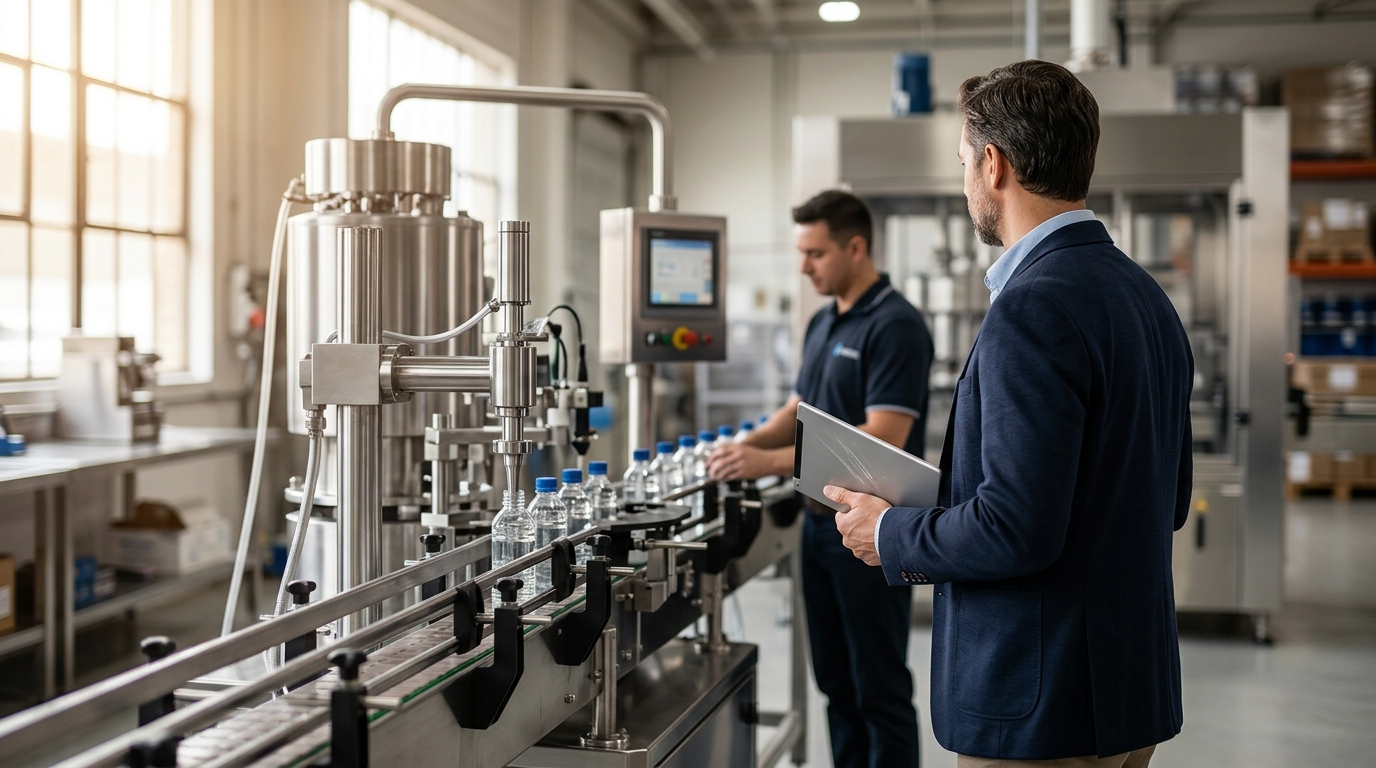
Industrial packaging lines represent a significant capital investment that directly impacts your bottom line. According to industry data, equipment downtime can cost manufacturers an average of $260,000 per hour in lost productivity. This statistic underscores why validating machinery through a hands-on trial is not merely a courtesy but a critical risk mitigation strategy. Before you commit to a multi-year operational cycle, you must verify that the hardware performs with your specific product formulations and packaging materials. JDA Progress, a trusted packaging equipment manufacturer, facilitates this validation process through its dedicated test and demo center in Vaughan, Ontario.
Step 1: Prepare Your Product Samples
The most effective trials occur when the machine runs your actual product, not a generic substitute. JDA Progress engineers require specific inputs to configure the equipment correctly. This preparation phase is the foundation of a successful factory acceptance test. You must gather samples that represent your standard operating conditions.
Product Viscosity and Consistency are the primary drivers for machine configuration. Whether you are testing a low-viscosity liquid or a high-density powder, the filling mechanism must be calibrated to your exact specifications. Bring at least five to ten pounds of your product to ensure the team can run multiple cycles without interruption. If you are testing a powder, ensure it is free-flowing or provide data on its bulk density. For liquids, provide the exact viscosity in centipoise (cP) if available.
Packaging Materials must also be sourced from your current suppliers. JDA Progress machines are highly adaptable, but they perform best when tested with the specific film, pouch, or bottle geometry you intend to use. If you are evaluating their Vertical Form Fill Seal (VFFS) machines, bring your roll stock. If you are testing cappers, bring your actual caps and bottles. This ensures the torque settings and sealing temperatures are accurate for your final production run.
For more details on the types of equipment available, review their bagging machines or explore their fillers catalog.
Step 2: Schedule Your Visit
JDA Progress operates a permanent showroom in Vaughan, Ontario, designed to accommodate public visits for machine demonstrations. This facility is not just a display area but a functional workshop where engineers perform programming and assembly. Scheduling a visit requires coordination with their technical team to ensure the right expertise is present.
Contact the JDA Progress team directly via phone at 905-850-6434 or through their online quote request form. When you reach out, specify the type of trial you need. Are you looking for a quick overview of a single machine, or a comprehensive line integration test? Providing this context allows them to allocate the appropriate engineer and reserve the necessary equipment.
Their facility is located in the north end of Toronto, Ontario. It includes a 15,000 square foot facility that is open to the public. This accessibility allows you to see dozens of packaging machines on display. You can talk to their engineers to find out how each one works and request a demo. This transparency is a hallmark of their customer service philosophy.
Step 3: The Live Demonstration
Upon arrival, the demonstration phase begins. This is where theoretical specifications meet physical reality. The JDA Progress team will set up the machine using your samples. This process involves programming the PLC (Programmable Logic Controller) to match your desired fill weights, seal times, and cycle speeds.
Watch the Startup Sequence. Observe how the machine handles the initial startup. Does it require extensive manual intervention? A well-designed machine should have intuitive controls that allow operators to make quick adjustments. JDA Progress emphasizes that their systems are built to be intuitive and rugged, even under tight deadlines.
Monitor the Cycle Time. Record the time it takes to complete one full cycle. Compare this against your production targets. If the machine is running slower than expected, ask the engineer to adjust the parameters. Most machines can be tuned on the fly to optimize speed without compromising quality. This flexibility is crucial for businesses with fluctuating demand.
Inspect the Seal and Cap Integrity. If you are testing baggers or sealers, examine the seals closely. Are they uniform? Is there any leakage? For cappers, check the torque consistency. The goal is to ensure that the machine can maintain quality standards over a sustained period, not just for a few perfect samples.
For insights into their capping solutions, visit the cappers page. For labeling requirements, check out the labelers section.
Step 4: Evaluate Performance Metrics
During the trial, you are not just a spectator; you are an evaluator. Use this opportunity to assess the machine against your specific operational criteria. This evaluation should go beyond simple functionality to include ease of use and maintenance requirements.
Ease of Cleaning. In food and beverage applications, cleaning is a major operational cost. Ask the engineer to demonstrate the cleaning process. Can the machine be disassembled quickly? Are there hard-to-reach areas where product residue might accumulate? Machines designed with hygiene in mind will have smooth surfaces and minimal crevices.
Changeover Speed. If you run multiple SKUs, the time it takes to switch from one product to another is critical. Observe how long it takes to adjust the machine for a different bottle size or bag dimension. Quick changeover capabilities can significantly increase your line's flexibility and reduce downtime between runs.
Noise and Vibration Levels. While often overlooked, excessive noise and vibration can impact worker fatigue and machine longevity. Note the acoustic environment during the trial. A well-balanced machine will operate smoothly with minimal vibration, indicating high-quality engineering and assembly.
For a broader view of their capabilities, explore their bottling lines which integrate these individual components into a cohesive system.
Step 5: Post-Trial Analysis and Next Steps
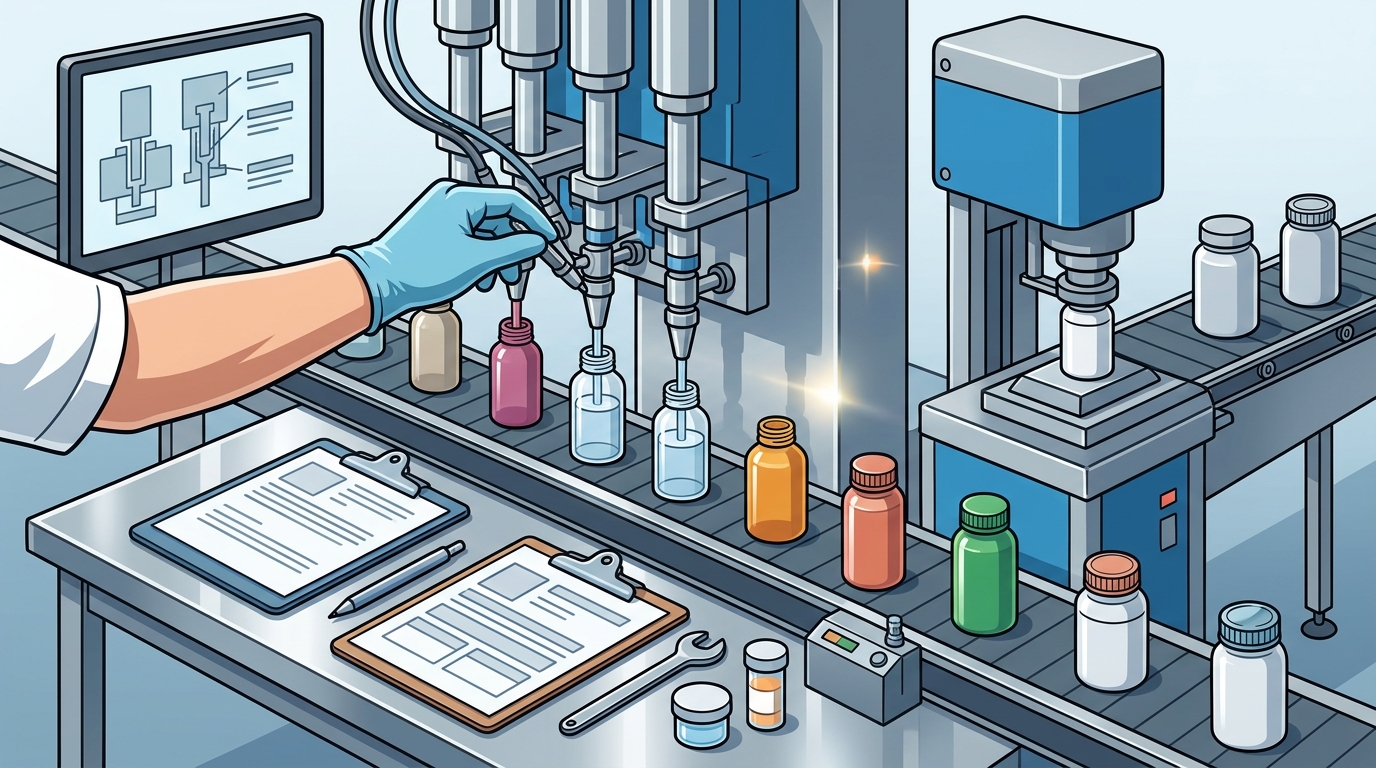
After the demonstration, the JDA Progress team will provide a detailed report of the trial results. This report should include the achieved cycle times, fill weight accuracy, and any recommendations for optimization. This data is invaluable for your internal decision-making process.
Review the Warranty and Support. JDA Progress offers a 1-year warranty on all machines and parts. Understand the terms of this warranty and the process for claiming service. Their after-sales support is a key differentiator, with many customers citing the helpfulness of their team as a primary reason for their choice. As one long-term client noted, they have been doing business with JDA for more than 15 years for machinery, parts, and repairs.
Calculate the ROI. Use the data from the trial to calculate the return on investment. Factor in the increased speed, reduced labor costs, and lower waste rates compared to your current setup. If the machine meets your performance targets, you can proceed to the procurement phase with confidence.
For more information on their service offerings, visit the Service & Parts page. To learn more about the company's history and values, read the About Us section.
Key Takeaways
- Bring Your Own Product: Trials are most accurate when run with your specific product and packaging materials, not generic substitutes.
- Visit the Vaughan Showroom: JDA Progress has a 15,000 square foot facility in Vaughan, Ontario, open to the public for demonstrations.
- Focus on Changeover: Evaluate how quickly the machine can switch between different SKUs to assess operational flexibility.
- Check Hygiene Design: Inspect the machine for easy cleaning and minimal product residue accumulation, especially for food and beverage applications.
- Review Support History: JDA Progress has over 35 years in business, with many clients citing long-term reliability and support.
- Understand Warranty Terms: All machines come with a 1-year warranty on equipment and parts, ensuring protection for your investment.
- Request a Quote: After a successful trial, use the provided data to request a formal quote for your specific configuration.
Frequently Asked Questions
How do I schedule a demo at JDA Progress?
You can schedule a demo by contacting JDA Progress directly via phone at 905-850-6434 or by submitting a request through their online quote form. It is recommended to provide details about your product and packaging needs in advance to ensure the right equipment is prepared.
What should I bring to a product trial?
You should bring your actual product samples (at least five to ten pounds) and your specific packaging materials, such as bottles, caps, or film rolls. This allows the engineers to configure the machine exactly for your production environment.
Where is the JDA Progress demo center located?
The JDA Progress demo center is located in Vaughan, Ontario, in the north end of the Toronto area. The facility includes a 15,000 square foot showroom that is open to the public for machine demonstrations.
Does JDA Progress offer a warranty on their machines?
Yes, JDA Progress provides a 1-year warranty on all machines and parts. This warranty covers defects in materials and workmanship, ensuring that your investment is protected during the initial operational period.
Can I test multiple products during one visit?
Yes, you can test multiple products during a single visit. However, it is advisable to inform the team in advance so they can allocate sufficient time for each product. Complex changeovers may require additional time, so planning your schedule accordingly is recommended.
What industries does JDA Progress serve?
JDA Progress serves a wide range of industries including food and beverage, cosmetics, chemicals, and nutraceuticals. Their equipment is designed to meet the specific hygiene and regulatory requirements of these diverse sectors.
How long has JDA Progress been in business?
JDA Progress is a family-owned business that began in 1988. With over 35 years of experience, they have sold thousands of packaging machines to customers in North America and around the world.
Ready to Optimize Your Packaging Line?
Don't leave your production efficiency to chance. Arrange a pre-purchase product trial at JDA Progress to validate their equipment with your specific needs. Their team of experts is ready to help you find the perfect solution for your business. Visit their homepage to request a quote or learn more about their comprehensive range of packaging solutions.