
Common Myths and FAQs About Fully Automatic Sauce and Liquid Filling Systems
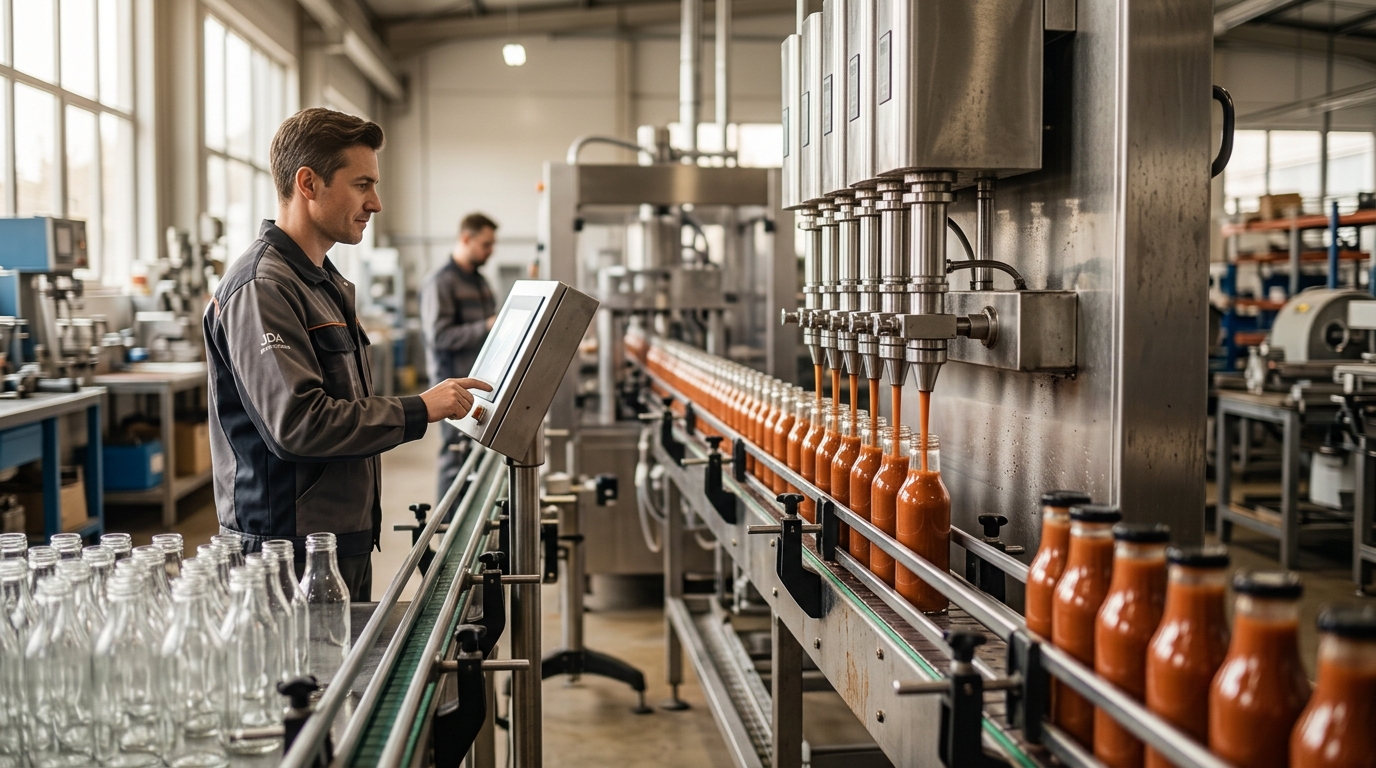
Modern packaging operations face immense pressure to maintain speed and accuracy. Data shows that automated filling systems can increase production throughput by up to 40% compared to manual methods. This shift is not merely a trend but a necessity for businesses aiming to scale. However, many facility managers hesitate due to persistent misconceptions about cost, complexity, and maintenance. This guide addresses the most frequent questions and myths surrounding fully automatic sauce and liquid filling systems to help you make an informed decision. (About JDA Progress Packaging)
Myth: Automation Is Too Expensive for Small Businesses
One of the most pervasive barriers to entry is the belief that fully automatic filling systems are exclusively for large-scale manufacturers. This view ignores the long-term financial reality of packaging operations. While the initial capital expenditure is significant, the operational savings accumulate rapidly. Manual filling requires continuous labor costs, which rise with inflation and turnover rates. Automated systems eliminate these recurring variable costs.
Furthermore, the cost of error in manual filling is often underestimated. Overfilling leads to product giveaway, which directly erodes profit margins. Underfilling results in regulatory non-compliance and customer dissatisfaction. According to industry reports, precise automated filling reduces product giveaway by up to 2%, a substantial margin booster for high-volume producers. JDA Progress offers scalable solutions that fit various budget tiers, ensuring that small and medium-sized enterprises can access high-quality technology without breaking the bank.
Myth: Fully Automatic Systems Are Too Complex to Operate
Many operators fear that advanced machinery requires a dedicated team of engineers to manage. This is a misunderstanding of modern packaging technology. Contemporary filling systems are designed with user-centric interfaces and intuitive controls. The goal of manufacturers like JDA Progress is to create equipment that is rugged yet easy to use. Operators can typically be trained in a matter of days, not weeks.
Another aspect of this myth involves changeover times. Older systems required lengthy adjustments when switching between different sauce types or bottle sizes. Modern automatic fillers feature quick-change parts and programmable logic controllers (PLCs) that store multiple recipes. This allows for rapid transitions between products with minimal downtime. The complexity lies in the engineering, not the daily operation. Research indicates that user-friendly automation reduces training time by 60% compared to older mechanical systems.
FAQ: How to Choose the Right Filler for Your Viscosity
Selecting the correct filling technology depends heavily on the physical properties of your product. Viscosity, or the resistance of a fluid to flow, is the primary determinant. A fully automatic sauce and liquid filling system must match the product's flow characteristics to ensure accuracy and prevent messes.
Piston fillers are ideal for high-viscosity products such as thick sauces, creams, and pastes. They work by drawing a specific volume of product into a cylinder and then pushing it out through a nozzle. This method provides exceptional accuracy for sticky substances. Volumetric pump fillers are better suited for low-viscosity liquids like water, oils, and thin sauces. They use a rotating pump to dispense a precise volume. Choosing the wrong type can lead to dripping, inconsistent fill levels, and increased cleaning time.
FAQ: What Does Maintenance Really Entail?
Maintenance is often viewed as a burden, but it is a critical component of operational efficiency. Fully automatic filling systems require regular cleaning and inspection to maintain performance. The frequency depends on the product being packaged. Acidic sauces or abrasive powders may require more frequent cleaning to prevent corrosion or wear.
Key maintenance tasks include inspecting seals and gaskets for wear, lubricating moving parts, and calibrating sensors. According to equipment lifecycle studies, preventive maintenance can extend the lifespan of packaging machinery by up to 30%. JDA Progress emphasizes the importance of having spare parts readily available. Most machines and spare parts are kept in stock to ensure fast delivery and minimal downtime. This proactive approach ensures that your production line remains operational and efficient.
FAQ: When Does the Return on Investment Kick In?
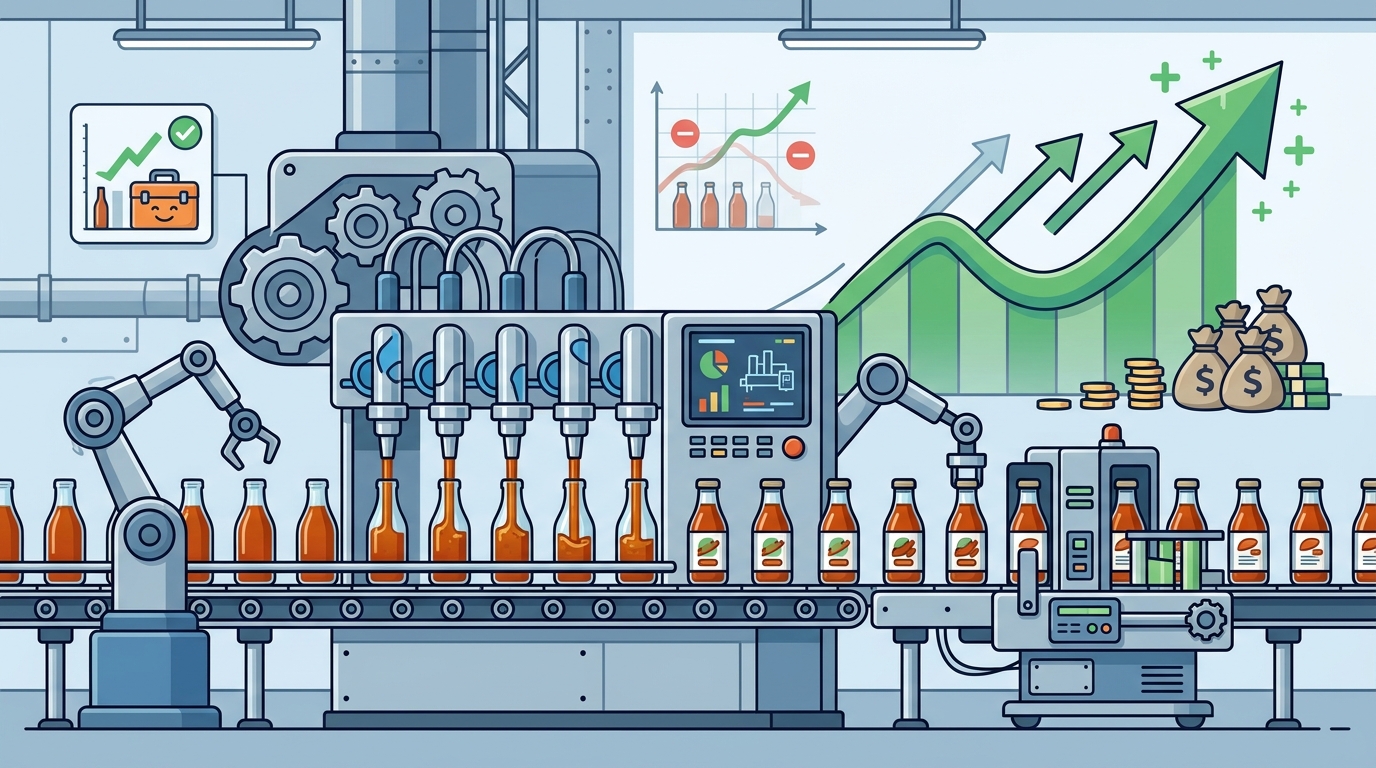
The return on investment (ROI) for automated filling systems varies based on production volume and labor costs. However, most businesses see a positive ROI within 12 to 18 months. This calculation includes labor savings, reduced product waste, and increased production capacity. For high-volume operations, the payback period can be even shorter.
Consider the cost of overfilling. If a company fills 10,000 bottles a day and overfills each by just 1 milliliter, the annual waste can amount to thousands of dollars. Automation eliminates this giveaway. Additionally, the ability to run the line continuously without breaks for labor shifts increases overall output. Data shows that automated lines can operate 24/7, significantly boosting annual revenue potential. The initial investment is quickly offset by these operational efficiencies.
Comparison: Piston vs. Volumetric Filling
Understanding the differences between filling technologies is crucial for making the right choice. Below is a comparison of the two most common types used for sauces and liquids.
| Feature | Piston Filler | Volumetric Pump Filler |
|---|---|---|
| Best For | High viscosity (sauces, creams) | Low viscosity (oils, water) |
| Accuracy | Very High | High |
| Speed | Moderate | High |
| Cleaning | More Frequent | Less Frequent |
| Cost | Higher Initial Cost | Lower Initial Cost |
Key Takeaways
- Automation reduces product giveaway by up to 2%, directly improving profit margins.
- Modern systems are user-friendly, with training times reduced by 60% compared to older models.
- Piston fillers are the standard for high-viscosity sauces, while pump fillers suit thin liquids.
- Preventive maintenance can extend machinery lifespan by 30%.
- ROI is typically achieved within 12 to 18 months through labor savings and increased output.
- JDA Progress has over 35 years of experience in manufacturing reliable packaging equipment.
- In-stock spare parts ensure minimal downtime for your production line.
Frequently Asked Questions
What is the difference between a vertical form fill seal (VFFS) machine and a liquid filler?
A vertical form fill seal machine creates the bag from a roll of film, fills it, and seals it in one continuous process. It is primarily used for dry or semi-liquid products in pouches. A liquid filler dispenses pre-measured amounts of fluid into existing containers like bottles or jars. They serve different packaging formats.
Can a fully automatic filling system handle thick sauces like ketchup?
Yes, piston filling systems are specifically designed for high-viscosity products. They use a piston mechanism to push thick substances out of a cylinder, ensuring consistent fill levels without dripping or air pockets.
How long does it take to change over from one product to another?
Modern automatic fillers are designed for quick changeovers. With programmable settings and quick-release parts, operators can switch between products in minutes. This flexibility allows for efficient small-batch production runs.
Is technical support available after purchase?
Yes, reputable manufacturers provide comprehensive after-sales support. This includes remote troubleshooting, on-site service, and training. JDA Progress is known for its top-notch service and after-purchase care, ensuring customers are never left without assistance.
What industries benefit most from automatic sauce filling?
The food and beverage industry is the primary beneficiary, including producers of sauces, dressings, and condiments. Other industries include cosmetics for creams and lotions, and chemicals for viscous cleaners. Any business requiring precise, high-speed liquid packaging can benefit.
How accurate are automatic filling systems?
Automatic fillers are highly accurate, typically within plus or minus 1% of the set volume. This precision is critical for regulatory compliance and cost control. Manual filling often has a much wider variance, leading to inconsistent product quality.
Do you offer demo centers for testing equipment?
Yes, JDA Progress has a permanent showroom in Vaughan, Ontario, where dozens of packaging machines are on display. Customers can bring their products to test the equipment and see the filling process in action before making a purchase.
Contact JDA Progress for a Demo
Stop letting myths hold back your production potential. Whether you need a single standalone unit or a full high-speed bottling line, JDA Progress has the expertise to help. Our team of engineers is ready to assist you in finding the perfect solution for your business. Visit our Demo Centre to see our equipment in action or Contact Us to request a personalized quote today.