Common Packaging Equipment Mistakes Contract Manufacturers and Co-Packers Make
Contract manufacturers and co-packers operate in a high-stakes environment where efficiency directly dictates profitability. According to recent industry analyses, operational bottlenecks in packaging lines can reduce overall throughput by up to 20 percent, severely impacting client satisfaction and profit margins. Many facilities overlook critical equipment selection criteria, leading to costly downtime and inconsistent product quality. This article outlines the most frequent errors made by packaging professionals and provides actionable strategies to optimize your production line. (About JDA Progress Packaging)
Ignoring Product Viscosity and Flow Dynamics
One of the most critical mistakes contract manufacturers make is selecting filling equipment without fully accounting for the rheological properties of the product. Viscosity changes with temperature and shear rate, which can cause inconsistent fill weights if the machine is not properly calibrated. For example, a piston filler might work perfectly for a cold, thick sauce but fail to dispense accurately when the product warms up during a long production run.
Manufacturers must ensure that their fillers are rated for the specific range of viscosities they handle. JDA Progress offers specialized fillers designed for liquids, powders, and weigh fill applications. These machines are engineered to maintain precision across varying product densities. Ignoring these dynamics leads to overfilling, which erodes margins, or underfilling, which triggers regulatory penalties.
Additionally, the material of the filling nozzle matters. Stainless steel grades must resist corrosion from acidic or alkaline products. Failure to match the equipment material to the product chemistry can result in contamination and frequent machine degradation. Always request a demo with your actual product to verify flow characteristics before purchasing.
Underestimating Changeover Time and Complexity
Contract manufacturers often deal with short production runs and frequent product changes. A major error is investing in equipment that requires extensive manual adjustment between batches. If a changeover takes four hours, the facility loses significant revenue. The industry standard for efficient co-packing is rapid changeover capabilities, often measured in minutes rather than hours.
Look for equipment with quick-release components and tool-less adjustments. For instance, capping machines should accommodate various cap sizes without requiring complex recalibration. The Model ProCap-2 automatic inline quill capping machine from JDA Progress is designed for such versatility, allowing operators to switch between bottle types with minimal downtime.
Furthermore, consider the learning curve for your staff. Complex machines require extensive training, which can lead to operational errors during the transition period. Choose equipment with intuitive human-machine interfaces (HMIs) that guide operators through setup procedures. This reduces the risk of human error and accelerates the time-to-production for new clients.
Neglecting After-Sales Support and Parts Availability
Many buyers focus solely on the initial purchase price and overlook the long-term cost of ownership. A machine that breaks down and requires weeks for parts delivery is a liability. Contract manufacturers cannot afford extended downtime because their clients depend on timely delivery. Therefore, the availability of spare parts and technical support is as important as the machine's initial performance.
JDA Progress maintains a robust inventory of service and parts to ensure rapid resolution of any issues. Their commitment to after-sales care includes comprehensive training and factory acceptance tests. This ensures that the equipment performs to specification before it leaves the facility. Customers like Iman Navab, a contract manufacturer, have noted that doing business with JDA for over 15 years has been professional and helpful due to this reliable support structure.
When evaluating suppliers, ask about their average response time for technical inquiries and their stock levels of critical wear parts. A supplier with a local presence, such as JDA Progress in Vaughan, Ontario, can often provide on-site assistance much faster than an international manufacturer. This proximity is crucial for minimizing production interruptions.
Choosing Capacity Over Flexibility
It is tempting to buy the highest-speed machine available to maximize output. However, this often leads to inflexibility. A machine designed for one specific bottle shape or bag size may struggle with variations. Contract manufacturers need equipment that can handle a wide range of package types without major modifications.
Bagging machines, for example, come in two primary forms: Vertical Form Fill Seal (VFFS) and Premade Pouch systems. VFFS machines create bags from a roll of film, offering flexibility in bag size and shape. Premade pouch machines are ideal for high-quality, rigid packages. Choosing the wrong type limits your ability to serve diverse clients. JDA Progress offers both options to suit different operational needs.
Moreover, consider the scalability of the equipment. Can the machine be integrated into a larger bottling line later? Modular systems allow for gradual expansion, whereas standalone high-speed units may require complete replacement if production needs grow. Flexibility ensures that your investment remains relevant as your client base evolves.
Overlooking Safety and Regulatory Compliance
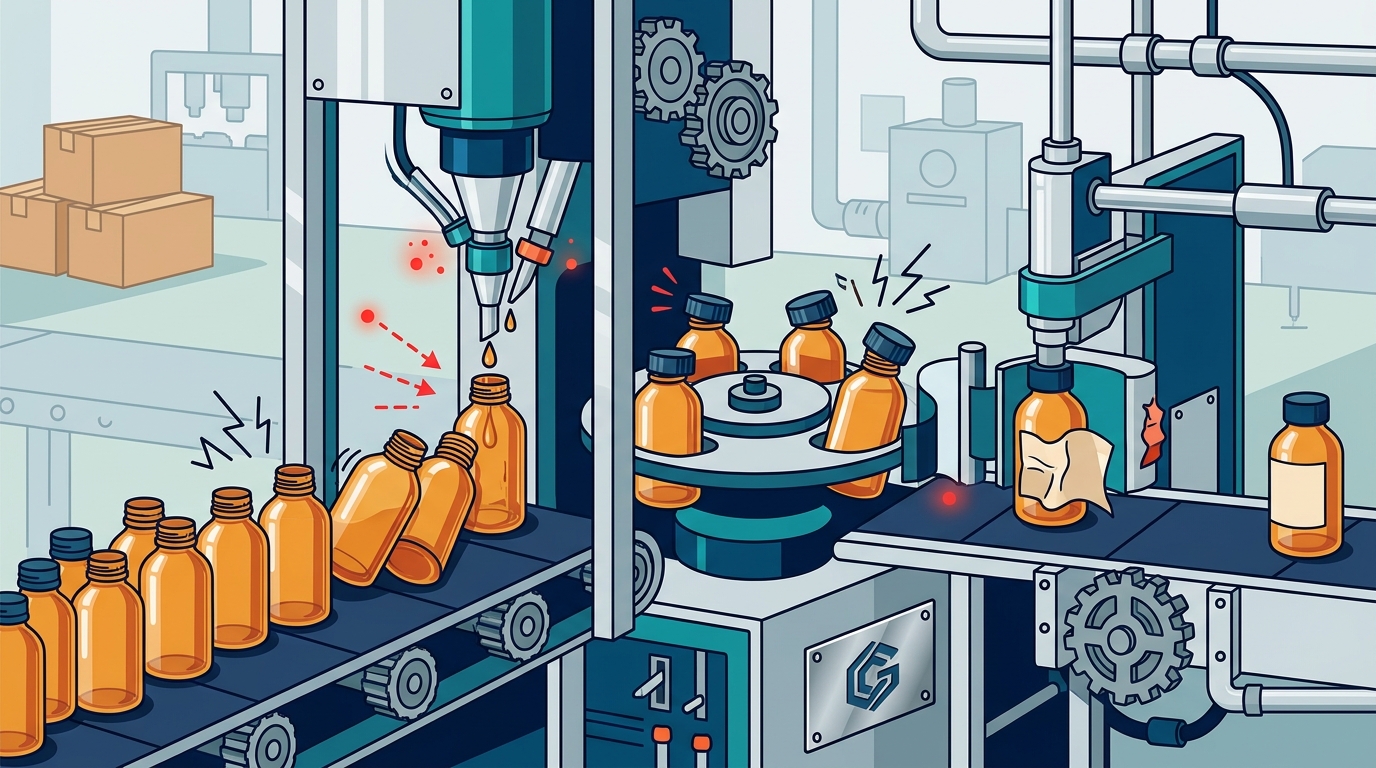
Safety and regulatory compliance are non-negotiable in the packaging industry. Equipment must meet local and international safety standards, such as OSHA in the United States or CSA in Canada. Non-compliant machinery can lead to fines, lawsuits, and reputational damage. Additionally, food-grade packaging equipment must adhere to strict hygiene standards to prevent contamination.
Ensure that all equipment has the necessary certifications and documentation. Look for machines with built-in safety features, such as emergency stop buttons, light curtains, and guarded moving parts. JDA Progress designs its equipment to meet these rigorous standards, providing peace of mind for operators and management alike.
Regular maintenance is also part of compliance. A well-maintained machine is safer and more efficient. Establish a preventive maintenance schedule and train your staff on proper cleaning and inspection procedures. This proactive approach extends the lifespan of the equipment and ensures consistent product quality.
Key Takeaways
- Viscosity Matters: Always test filling equipment with your actual product to ensure accurate dispensing across different temperatures and densities.
- Speed of Changeover: Prioritize machines with quick-adjust features to minimize downtime between production runs.
- Support is Critical: Choose suppliers with local presence and extensive spare parts inventory to reduce repair times.
- Flexibility Wins: Invest in modular equipment that can handle various package types and scales with your business growth.
- Compliance First: Verify all safety and hygiene certifications before purchase to avoid regulatory issues.
- Training is Essential: Ensure the supplier provides comprehensive training to your operators for optimal machine performance.
- Total Cost of Ownership: Consider long-term costs, including energy consumption, maintenance, and parts, rather than just the initial price.
Frequently Asked Questions
What is the most common mistake in packaging equipment selection?
The most common mistake is focusing on the initial purchase price rather than the total cost of ownership, including maintenance, parts, and downtime.
How can I reduce changeover time on my packaging line?
Invest in equipment with tool-less adjustments and quick-release components. Training your staff on rapid changeover procedures also helps.
Why is after-sales support important for packaging machines?
Reliable after-sales support ensures quick access to spare parts and technical assistance, minimizing production downtime and extending equipment life.
What types of bagging machines are available?
The two main types are Vertical Form Fill Seal (VFFS) machines, which create bags from film rolls, and Premade Pouch machines, which load pre-made bags.
How does JDA Progress support its customers?
JDA Progress offers a 15,000 square foot demo center, in-stock parts, comprehensive training, and a dedicated service team to assist with any issues.
What industries does JDA Progress serve?
JDA Progress serves the food and beverage, cosmetics, chemicals, and nutraceutical industries with tailored packaging solutions.
Is it better to buy new or used packaging equipment?
While used equipment may seem cheaper, new equipment offers warranties, latest technology, and reliable support, often providing better long-term value.
Ready to Optimize Your Packaging Line?
Avoid these common mistakes and partner with a trusted manufacturer for your packaging needs. JDA Progress offers a wide range of high-quality equipment, from fillers to baggers, designed to maximize efficiency and ROI. Visit our Demo Centre in Vaughan to see our machines in action or contact us today to request a quote. Our team is ready to help you find the perfect solution for your business.