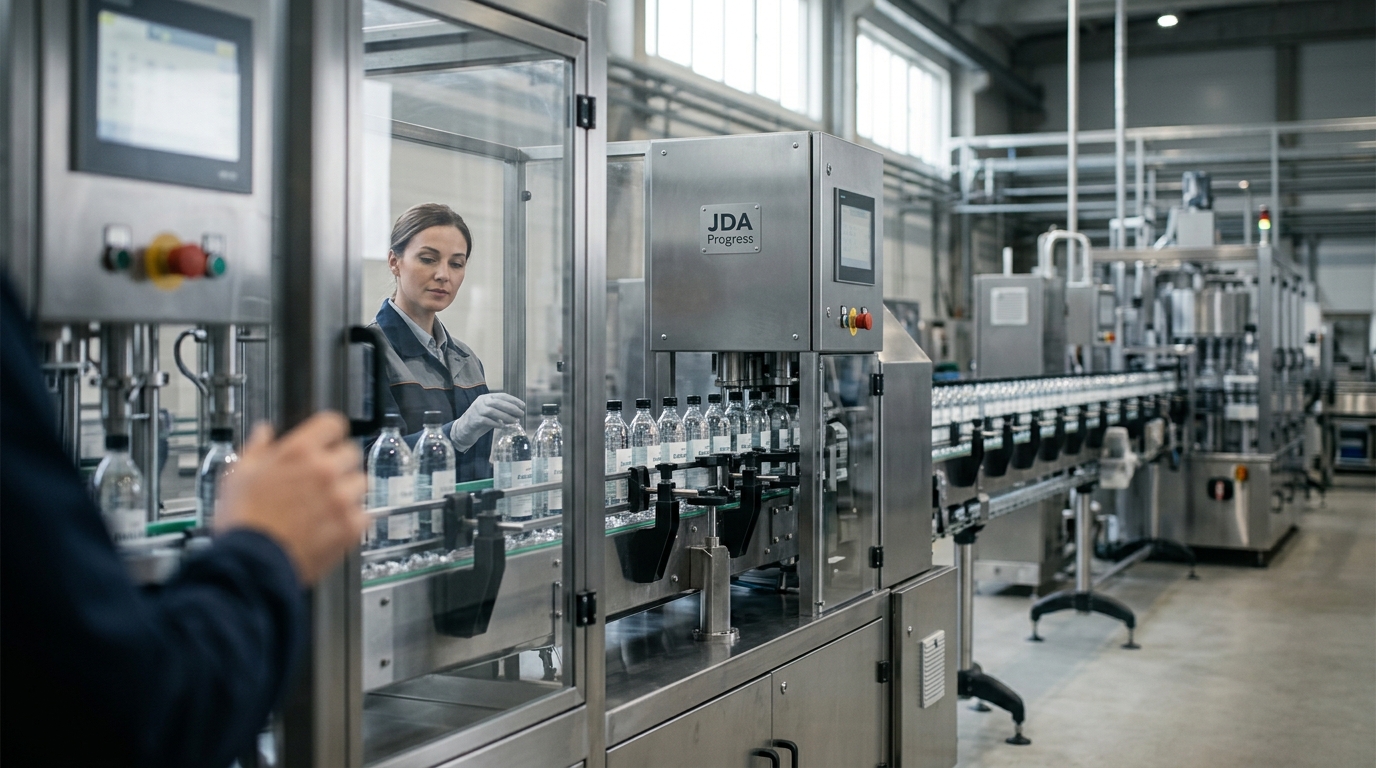
The global packaging machinery market is undergoing a seismic shift driven by the demand for speed, precision, and sustainability. According to recent industry analysis, the market is projected to expand significantly through 2026, with automated systems capturing the majority of new capital expenditure. This evolution is not merely about replacing human labor; it is about creating intelligent, interconnected production lines that minimize waste and maximize output. For manufacturers in the food, beverage, and cosmetic sectors, understanding this trajectory is critical for maintaining competitive advantage.
Historical Context of Packaging
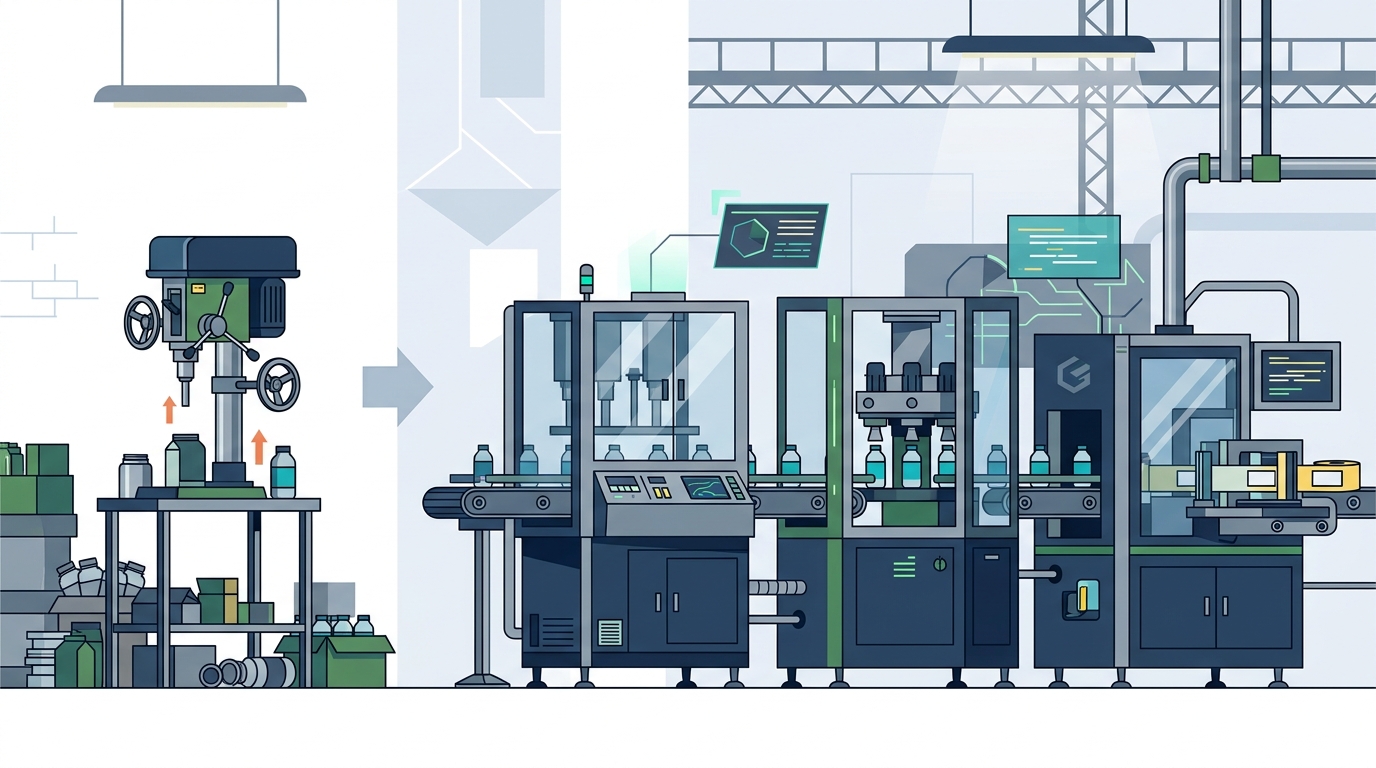
Packaging has evolved from simple containment to complex engineering challenges. In the early 20th century, packaging was largely manual, relying on skilled workers to fill, seal, and label products. This method was slow, inconsistent, and prone to human error. The introduction of mechanical fillers in the mid-20th century marked the first major leap in efficiency.
Today, the industry stands at the precipice of Industry 4.0. Modern packaging lines are no longer isolated units but integrated systems that communicate with central control software. This connectivity allows for real-time monitoring of machine health, product quality, and production speed. Companies like JDA Progress have been at the forefront of this transition, leveraging over 35 years of experience to design equipment that bridges the gap between traditional reliability and modern digital capability.
The shift from manual to automated packaging is not just a technological upgrade; it is a strategic necessity. As consumer demand for personalized and sustainable packaging grows, manufacturers must adapt their machinery to handle diverse formats without sacrificing speed. This adaptability is the hallmark of modern packaging engineering.
The Impact of Automation
Automation has transformed packaging from a cost center to a value driver. Automated systems reduce labor costs, increase throughput, and ensure consistent product quality. One of the most significant benefits of automation is the ability to scale production rapidly. A fully automated line can operate 24/7 with minimal intervention, allowing businesses to meet peak demand without the logistical challenges of hiring and training temporary staff.
Furthermore, automation enhances safety. By removing workers from hazardous environments, such as those involving heavy machinery or toxic chemicals, companies can significantly reduce workplace injuries. This is particularly relevant in the chemical and nutraceutical industries, where precision and safety are paramount.
Data shows that automated packaging lines can reduce material waste by up to 20% compared to manual processes. This efficiency is achieved through precise dosing and sealing mechanisms that eliminate overfilling and underfilling. For businesses looking to optimize their operations, investing in automated solutions is not just an option; it is a requirement for long-term sustainability.
Key Machinery Categories
Understanding the different types of packaging machinery is essential for making informed investment decisions. The evolution of packaging has led to the development of specialized equipment designed for specific tasks. Below are the primary categories of machinery that define the modern packaging landscape.
Fillers
Fillers are the heart of any packaging line. They are responsible for dispensing the correct amount of product into containers. Modern fillers use advanced sensors and PLC (Programmable Logic Controller) technology to ensure accuracy. Fillers can handle liquids, powders, and granules, making them versatile tools for a wide range of industries.
The evolution of filler technology has led to the development of inline piston fillers and volumetric fillers. These machines offer high speed and precision, allowing manufacturers to meet tight production deadlines. The ability to switch between different product types quickly is a key feature of modern fillers, enabling flexible manufacturing.
Labelers
Labeling is the final touchpoint between the product and the consumer. Automated labelers ensure that every container is accurately labeled, reducing the risk of errors and regulatory non-compliance. Labelers can apply labels to plastic, glass, and metal containers, adapting to various shapes and sizes.
The integration of vision systems in modern labelers allows for real-time inspection of label placement and content. This technology ensures that every label meets quality standards before the product leaves the production line. For companies in the food and beverage industry, accurate labeling is critical for compliance with food safety regulations.
Cappers
Capping machines secure the closure of containers, ensuring product integrity and safety. Cappers come in various types, including torque-controlled cappers and automatic inline quill cappers. These machines ensure that caps are applied with the correct tightness, preventing leaks and contamination.
The evolution of capping technology has focused on speed and reliability. Modern cappers can handle a wide range of cap types, from screw caps to snap-on lids, making them essential for diverse packaging needs. The ability to adjust torque settings quickly allows manufacturers to optimize their lines for different products.
Baggers
Bagging machines are crucial for the packaging of dry goods, snacks, and other products that require flexible packaging. Baggers include Vertical Form Fill Seal (VFFS) machines and premade pouch baggers. VFFS machines create bags from a roll of film, fill them with product, and seal them in one continuous process.
Premade pouch baggers are designed for products that require high-quality, pre-printed packaging. These machines pick, open, and load pre-made bags, offering greater flexibility in packaging design. The choice between VFFS and premade pouch baggers depends on the product characteristics and branding requirements.
Comparing Packaging Solutions
Choosing the right packaging machinery requires a careful comparison of options based on production needs, budget, and scalability. The table below summarizes the key features of different packaging solutions.
| Machinery Type | Best For | Key Benefit | Industry Application |
|---|---|---|---|
| Fillers | Liquids, Powders, Granules | Precision Dosing | Food, Beverage, Chemical |
| Labelers | Plastic, Glass, Metal Containers | Accurate Label Placement | Cosmetics, Pharmaceuticals |
| Cappers | Bottle Closures | Consistent Torque | Beverage, Nutraceuticals |
| Baggers | Flexible Packaging | High Speed & Flexibility | Snacks, Dry Goods |
When evaluating these options, it is important to consider the total cost of ownership, including maintenance, parts, and training. Companies like JDA Progress offer comprehensive support services to ensure that your investment continues to deliver value over time. Their in-stock inventory of parts and equipment minimizes downtime, allowing you to maintain consistent production levels.
Key Takeaways
- Automation reduces labor costs and increases throughput by enabling 24/7 operation.
- Modern packaging machinery integrates with central control systems for real-time monitoring.
- Fillers, labelers, cappers, and baggers serve distinct roles in the packaging process.
- VFFS machines offer flexibility for dry goods, while premade pouch baggers support premium branding.
- In-stock parts and comprehensive support are critical for minimizing downtime.
- Sustainability is a key driver in the evolution of packaging machinery design.
- Over 35 years of industry experience informs the design of reliable, high-performance equipment.
Frequently Asked Questions
What is the difference between VFFS and premade pouch baggers?
VFFS (Vertical Form Fill Seal) machines create bags from a roll of film, offering cost savings on packaging materials. Premade pouch baggers use pre-printed bags, allowing for higher quality graphics and specialized materials. The choice depends on your branding needs and product type.
How does automation improve packaging accuracy?
Automation uses sensors and PLC technology to ensure precise dosing and sealing. This reduces human error and ensures that every container meets quality standards. Automated systems can also adjust in real-time to compensate for variations in product density or container size.
What industries benefit most from automated packaging?
Industries such as food and beverage, cosmetics, chemicals, and nutraceuticals benefit significantly from automated packaging. These sectors require high levels of hygiene, precision, and speed, which automated systems provide consistently.
How long does it take to install a new packaging line?
Installation time varies depending on the complexity of the line and the facility's readiness. However, companies like JDA Progress offer demo centers where you can see the equipment in action before making a decision. This helps streamline the planning and installation process.
What support is available for new packaging equipment?
Comprehensive support includes training, maintenance, and spare parts. Many manufacturers offer warranty periods and ongoing technical support to ensure your equipment operates at peak performance. It is important to choose a partner with a strong reputation for after-sales service.
Can packaging machinery be customized for specific products?
Yes, most modern packaging machinery can be customized to handle specific product characteristics. This includes adjustments for viscosity, particle size, and container shape. Customization ensures that the equipment meets your unique production requirements.
What is the ROI of investing in automated packaging?
The ROI depends on factors such as labor savings, increased throughput, and reduced waste. While the initial investment can be significant, the long-term benefits often outweigh the costs. Many companies see a positive ROI within a few years of installation.
Next Steps
The evolution of packaging machinery offers immense opportunities for businesses willing to invest in the future. By adopting automated solutions, you can enhance efficiency, reduce costs, and improve product quality. To explore how these technologies can benefit your specific operations, we invite you to request a quote from our team of experts. Visit our demo centre in Vaughan to see our equipment in action and discuss your unique packaging challenges. Let us help you build a more efficient and profitable packaging line.