Quantifiable Results and ROI From Fully Automatic Sauce and Liquid Filling Systems
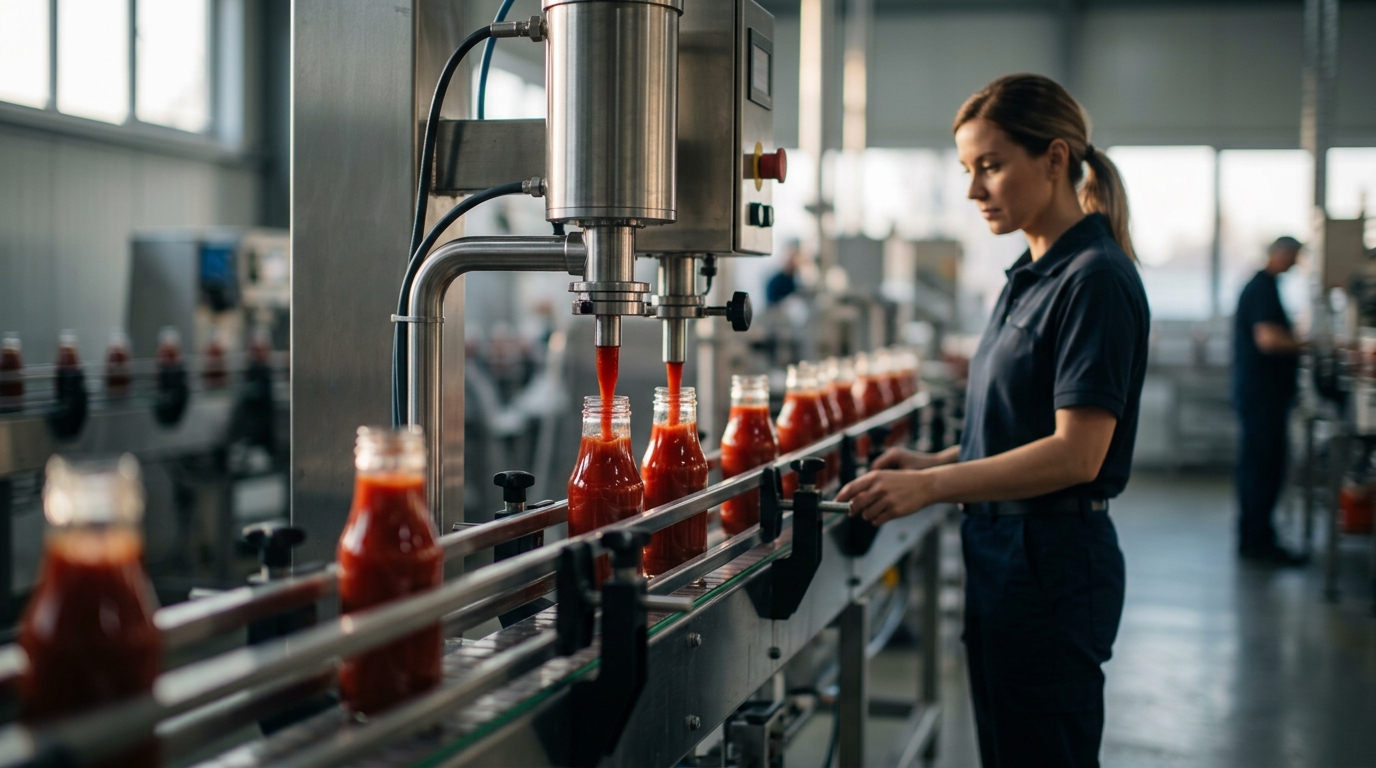
Manufacturing efficiency is no longer a luxury but a survival metric for food and beverage producers. According to recent industry data, fully automated filling lines can reduce labor costs by up to 40% while increasing throughput by 300% compared to manual operations. This shift is critical for businesses handling viscous sauces, thin liquids, and complex blends where consistency and hygiene are non-negotiable. The transition from semi-automatic to fully automatic systems represents a significant capital investment, yet the return on investment (ROI) is realized through reduced waste, enhanced speed, and unwavering product quality. (Trusted Packaging Equipment Manufacturer)
Understanding Filling Technology Types
Before calculating ROI, it is essential to define the machinery involved. Piston fillers are precision devices that use a cylinder and piston mechanism to dispense exact volumes of liquid or semi-liquid products. This technology is ideal for sauces, dressings, and viscous fluids where volume accuracy is paramount. Unlike gravity fillers, piston fillers handle varying viscosities with minimal pressure adjustments, ensuring consistent fill levels across thousands of containers. (Trusted Packaging Equipment Manufacturer)
Another critical component is the rotary labeler is a high-speed labeling mechanism that applies labels to containers as they move along a rotating carousel. When integrated with filling systems, it creates a seamless bottling line. JDA Progress offers advanced labeling solutions for plastic, glass, and metal containers, ensuring that your branding remains crisp and accurate even at high speeds. The integration of these systems reduces the need for manual intervention, directly impacting your operational costs.
Furthermore, the automatic capping machine is a device that securely fastens caps or lids to containers without manual effort. This step is crucial for product integrity and shelf life. By automating the capping process, you eliminate the risk of loose caps, which can lead to product recalls and significant financial losses. The synergy between fillers, labelers, and cappers creates a unified production ecosystem that maximizes output while minimizing human error.
Labor Cost Reduction and Efficiency
One of the most immediate financial benefits of automation is the drastic reduction in labor requirements. Manual filling lines require multiple operators to handle container placement, monitoring, and quality checks. In contrast, a fully automatic system can operate with minimal supervision. This shift allows you to reallocate human resources to higher-value tasks such as quality assurance, maintenance, and process optimization.
Data shows that automated lines can run 24/7 with only brief pauses for maintenance and cleaning. This continuous operation capability means that your fixed costs are spread over a much larger volume of output. For example, a single automatic filling line can replace the output of three to five manual stations. This reduction in headcount not only lowers salary expenses but also reduces associated costs such as benefits, training, and workplace safety liabilities.
Additionally, automation ensures consistent speed. Human operators experience fatigue, leading to slower speeds and increased error rates over time. Automated systems maintain peak performance throughout the shift. This consistency is vital for meeting tight delivery deadlines and maintaining customer satisfaction. The reliability of automated equipment translates directly into predictable production schedules and reduced overtime costs.
Waste Minimization and Yield Improvement
Product waste is a silent profit killer in the food and beverage industry. Overfilling containers to ensure minimum volume requirements results in significant material loss over time. Automated filling systems, particularly piston fillers, offer precision down to the milliliter. This precision ensures that you are not giving away free product to every customer.
Consider a scenario where you fill 10,000 bottles of sauce daily. If an automatic filler reduces overfill by just 2 milliliters per bottle, you save 20 liters of product every day. Over a year, this amounts to thousands of liters of saved inventory. This direct material savings contributes immediately to your bottom line. Furthermore, reduced overfilling means lower packaging costs, as you can optimize your bottle sizes and material usage.
Underfilling is another risk that automation mitig. Regulatory bodies and consumer expectations demand strict adherence to labeled volumes. Automated systems include real-time monitoring and feedback loops to adjust fill levels instantly. This proactive approach prevents costly recalls and brand damage. By ensuring every container meets the exact specification, you protect your brand reputation and avoid the financial penalties associated with non-compliance.
Hygiene and Regulatory Compliance
In the food industry, hygiene is not just a best practice; it is a legal requirement. Automated filling systems are designed with clean-in-place (CIP) capabilities and stainless steel construction to meet strict sanitary standards. These features reduce the time and labor required for cleaning between production runs.
Manual filling processes are prone to contamination risks due to human contact. Automation minimizes this risk by enclosing the product path within sealed systems. This reduction in contamination risk lowers the likelihood of spoilage and product recalls. A single recall can cost a company millions in lost revenue and brand trust. Investing in automated hygiene features is an insurance policy against these catastrophic financial events.
Moreover, automated systems generate detailed data logs for every production run. This data is essential for traceability and regulatory audits. You can track fill volumes, machine speeds, and maintenance events with precision. This level of documentation simplifies compliance with food safety regulations such as HACCP and FDA guidelines. The ability to quickly produce audit-ready reports saves administrative time and reduces the risk of regulatory fines.
Scaling Production Capabilities
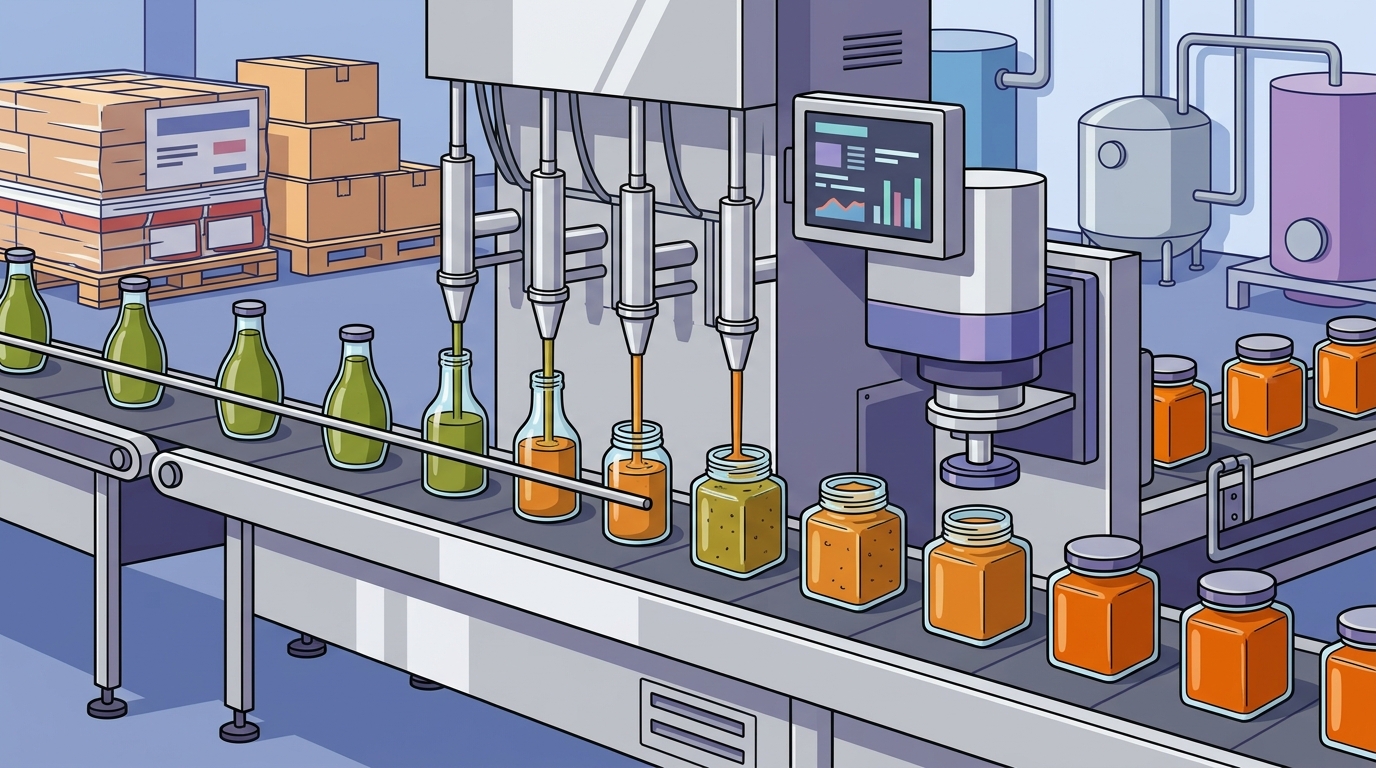
As your business grows, your production capabilities must scale accordingly. Manual lines hit a ceiling where adding more operators becomes inefficient and costly. Automated systems offer modular scalability. You can increase speed by upgrading motors or adding parallel filling heads without redesigning the entire line.
JDA Progress provides comprehensive bottling lines that integrate fillers, labelers, cappers, and conveyors. This integration ensures that each component communicates seamlessly, preventing bottlenecks. For instance, if the filler is faster than the labeler, the line slows down. Automated synchronization ensures that all machines operate at their optimal speed, maximizing overall equipment effectiveness (OEE).
Scaling with automation also allows for greater flexibility. Modern filling systems can handle multiple container sizes and product viscosities with quick changeovers. This flexibility enables you to respond to market trends and seasonal demands without significant downtime. The ability to switch between products rapidly reduces inventory holding costs and improves cash flow.
Calculating Your Specific ROI
To determine the ROI of an automatic filling system, you must analyze your current costs versus projected savings. Start by calculating your current labor costs, including wages, benefits, and overtime. Next, estimate the material savings from reduced overfilling and waste. Then, factor in the increased throughput and reduced downtime.
| Cost Factor | Manual System | Automated System | Annual Savings |
|---|---|---|---|
| Labor Costs | $150,000 | $30,000 | $120,000 |
| Material Waste | $20,000 | $2,000 | $18,000 |
| Recall Risk | High | Low | Variable |
| Throughput Value | Base | +300% | Revenue Growth |
This table illustrates a hypothetical scenario. Your actual numbers will vary based on your production volume and local labor rates. However, the trend is consistent: automation pays for itself through direct savings and revenue growth. Most businesses see a full ROI within 12 to 24 months. This rapid payback period makes automation a low-risk, high-reward investment.
Key Takeaways
- Automated filling systems can reduce labor costs by up to 40% while increasing throughput by 300%.
- Precision filling eliminates overfilling, saving thousands of liters of product annually.
- Integrated bottling lines ensure seamless operation between filling, labeling, and capping stages.
- Hygiene-focused design reduces contamination risks and simplifies regulatory compliance.
- Modular scalability allows businesses to grow production without proportional cost increases.
- Real-time data logging supports traceability and audit readiness.
- JDA Progress offers in-stock equipment and a 15,000 square foot demo center in Vaughan for testing.
Frequently Asked Questions
How long does it take to see ROI from an automatic filling system?
Most businesses achieve full ROI within 12 to 24 months, depending on production volume and labor cost savings.
Can automatic fillers handle different viscosities?
Yes, piston fillers are designed to handle a wide range of viscosities, from thin liquids to thick sauces, with minimal adjustment.
What maintenance is required for automated filling lines?
Regular cleaning, lubrication, and part replacement are required. JDA Progress provides comprehensive service and parts support to minimize downtime.
Is automation suitable for small batch production?
While automation is ideal for high volume, modern systems offer quick changeovers that make them viable for smaller, diverse batches.
How does automation improve product consistency?
Automated systems eliminate human error, ensuring every container is filled to the exact same volume and sealed securely.
What industries benefit most from automatic filling systems?
Food and beverage, cosmetics, chemicals, and nutraceuticals are the primary industries that benefit from these systems.
Does JDA Progress offer demo centers?
Yes, JDA Progress has a permanent showroom in Vaughan, Ontario, where customers can test machines with their own products.
Contact JDA Progress
Ready to transform your production line? Contact JDA Progress today to schedule a demo at our Vaughan showroom. Our experts will help you find the perfect solution for your packaging needs. Visit our About Us page to learn more about our 35+ years of experience. Explore our Baggers and Blenders & Feeders to see how we can integrate with your existing line. Request a quote now to start your journey toward higher efficiency and profitability.