
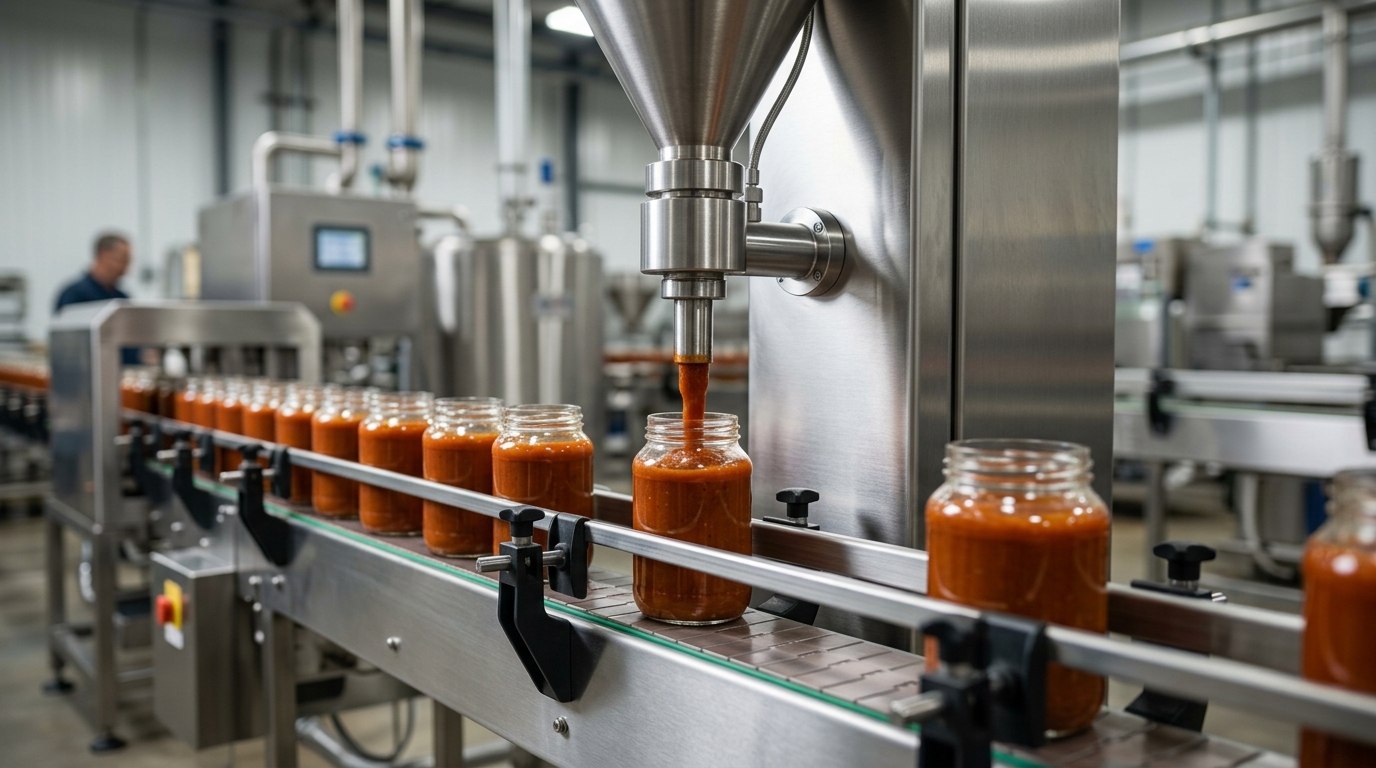
Essential Features and Specifications for Selecting Automatic Sauce and Condiment Fillers
Modern food processing facilities require precision filling technology to maintain product consistency and maximize throughput. According to recent industry analyses, automated filling systems can increase production efficiency by up to 40% compared to manual operations. This shift toward automation is critical for manufacturers handling viscous products like sauces, dressings, and condiments. Selecting the right equipment involves evaluating mechanical design, control systems, and material compatibility. This guide outlines the critical specifications necessary for making an informed investment in packaging machinery. (Trusted Packaging Equipment Manufacturer)
Understanding Viscosity and Product Flow
The primary challenge in sauce filling is managing varying viscosities. Viscosity is the measure of a fluid's resistance to flow. Products range from thin liquids like vinegar to thick pastes like ketchup or peanut butter. The filler must handle this range without dripping, foaming, or leaving inconsistent fill levels.
When evaluating equipment, consider the shear sensitivity of your product. High-shear pumps can alter the texture of delicate sauces, leading to customer complaints. Look for fillers designed to minimize turbulence during the filling cycle. This ensures the product maintains its intended mouthfeel and visual appeal. JDA Progress offers specialized fillers for liquids, powders, and weigh fillers to address these diverse needs. Visit our Fillers page to explore options tailored to your specific product type.
Comparing Filler Mechanisms
Different filling technologies serve different operational requirements. Choosing the wrong mechanism can lead to frequent downtime and inaccurate fills. Below is a comparison of common filler types used in the condiment industry.
| Filler Type | Best For | Accuracy Level | Speed Potential |
|---|---|---|---|
| Piston Filler | Thick sauces, pastes, chunky products | High (+/- 1%) | Medium |
| Gravity Filler | Thin liquids, low viscosity fluids | Medium | High |
| Pressure Filler | Foaming products, carbonated sauces | High | Medium-High |
| Time-Pressure Filler | High viscosity products requiring precise volume | Very High | Medium |
Piston Fillers
Piston fillers are the industry standard for viscous condiments. They operate by drawing a specific volume of product into a cylinder and then pushing it out through a nozzle. This method provides excellent accuracy for thick products. The JDA Progress team can help you select the correct piston size and stroke length for your line.
Gravity Fillers
Gravity fillers rely on the weight of the product to fill containers. They are ideal for thin sauces like salad dressings or soy sauce. These machines are generally faster and simpler than piston fillers. However, they struggle with products that have high viscosity or contain particulates.
Hygiene and Material Standards
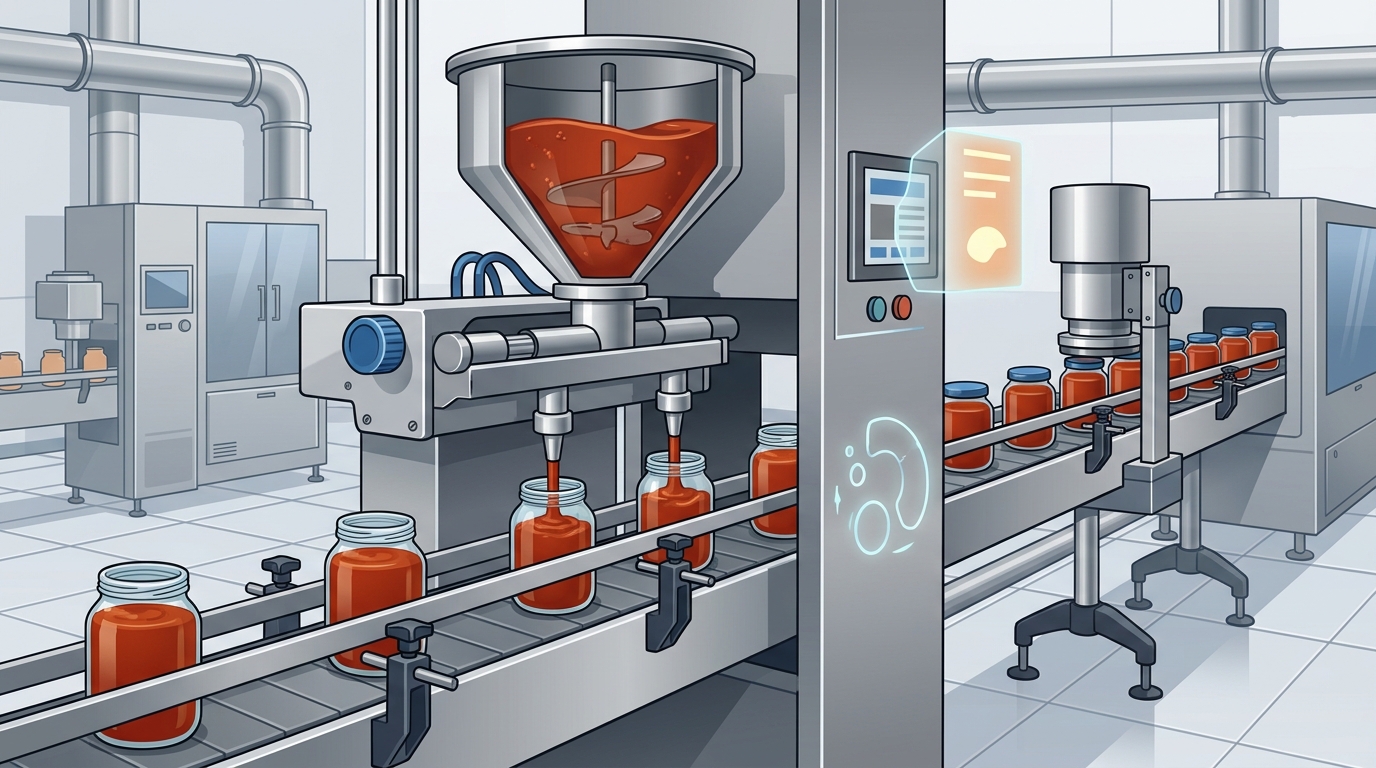
Food safety is non-negotiable in the condiment industry. Sanitary design is the practice of engineering equipment to prevent bacterial growth and facilitate cleaning. All product contact surfaces must be made of food-grade stainless steel, typically 304 or 316L grade. These materials resist corrosion from acidic sauces like tomato or vinegar-based products.
Look for fillers with smooth, crevice-free surfaces. Complex geometries trap residue and lead to contamination risks. The equipment should support Clean-in-Place (CIP) systems to reduce manual cleaning time and labor costs. JDA Progress designs its machines with hygiene in mind, ensuring they meet strict industry standards. Learn more about our company background and commitment to quality.
Automation and Control Systems
Modern fillers require sophisticated control systems to manage speed, volume, and changeovers. A Programmable Logic Controller (PLC) is the brain of the operation. It allows operators to store multiple recipes and switch between them instantly. This feature is crucial for facilities running multiple sauce varieties on the same line.
Touchscreen interfaces simplify operation and reduce training time. Advanced systems offer real-time monitoring of fill weights and error alerts. This data helps identify bottlenecks before they cause significant downtime. JDA Progress provides comprehensive training on PLC programming and machine operation. We encourage you to visit our test and demo centre to see these systems in action.
Maintenance and Vendor Support
The longevity of your filler depends on the quality of its components and the support provided by the manufacturer. Preventive maintenance is the scheduled inspection and repair of equipment to prevent unexpected failures. Regular maintenance reduces the risk of catastrophic breakdowns during peak production periods.
Choose a vendor that stocks spare parts locally. Waiting weeks for a replacement seal or sensor can halt your entire production line. JDA Progress maintains an inventory of in-stock packaging equipment and parts for fast delivery. Our team is available to assist with troubleshooting and technical support. Read our customer reviews to see how we support our clients.
Key Takeaways
- Viscosity dictates the choice of filler mechanism, with piston fillers being ideal for thick sauces.
- Stainless steel 316L is the preferred material for acidic condiment applications due to its corrosion resistance.
- PLC-controlled systems enable rapid changeovers between different product recipes.
- Sanitary design principles minimize cleaning time and reduce contamination risks.
- Local spare parts inventory is critical for minimizing downtime in food processing facilities.
- JDA Progress has over 35 years of experience in the packaging industry.
- Demo centers allow manufacturers to test their specific products before purchasing.
Frequently Asked Questions
What is the difference between a piston filler and a gravity filler?
A piston filler uses a mechanical piston to push product into a container, making it suitable for thick, viscous sauces. A gravity filler relies on the weight of the product to flow into the container, making it better for thin, low-viscosity liquids.
How do I choose the right filler for chunky sauces?
Chunky sauces require a filler with a large bore and gentle pumping action to avoid damaging the particulates. Piston fillers with specialized valves are often the best choice for these products.
Is stainless steel required for sauce fillers?
Yes, food-grade stainless steel is required for all product contact surfaces to ensure hygiene and prevent corrosion from acidic ingredients.
Can JDA Progress help with installation?
Yes, JDA Progress provides installation support and training to ensure your team can operate the equipment safely and efficiently.
What is the typical warranty period for packaging machines?
JDA Progress offers a 1-year warranty on all machines and parts, providing peace of mind for your investment.
How often should I perform preventive maintenance?
Preventive maintenance should be performed according to the manufacturer's schedule, typically every 3 to 6 months depending on usage intensity.
Ready to Optimize Your Packaging Line?
Selecting the right automatic sauce filler is a critical decision that impacts your production efficiency and product quality. JDA Progress offers a range of high-quality packaging equipment designed to meet your specific needs. Our team of experts is ready to help you find the perfect solution. Contact us today to request a quote or schedule a demo at our Vaughan showroom.