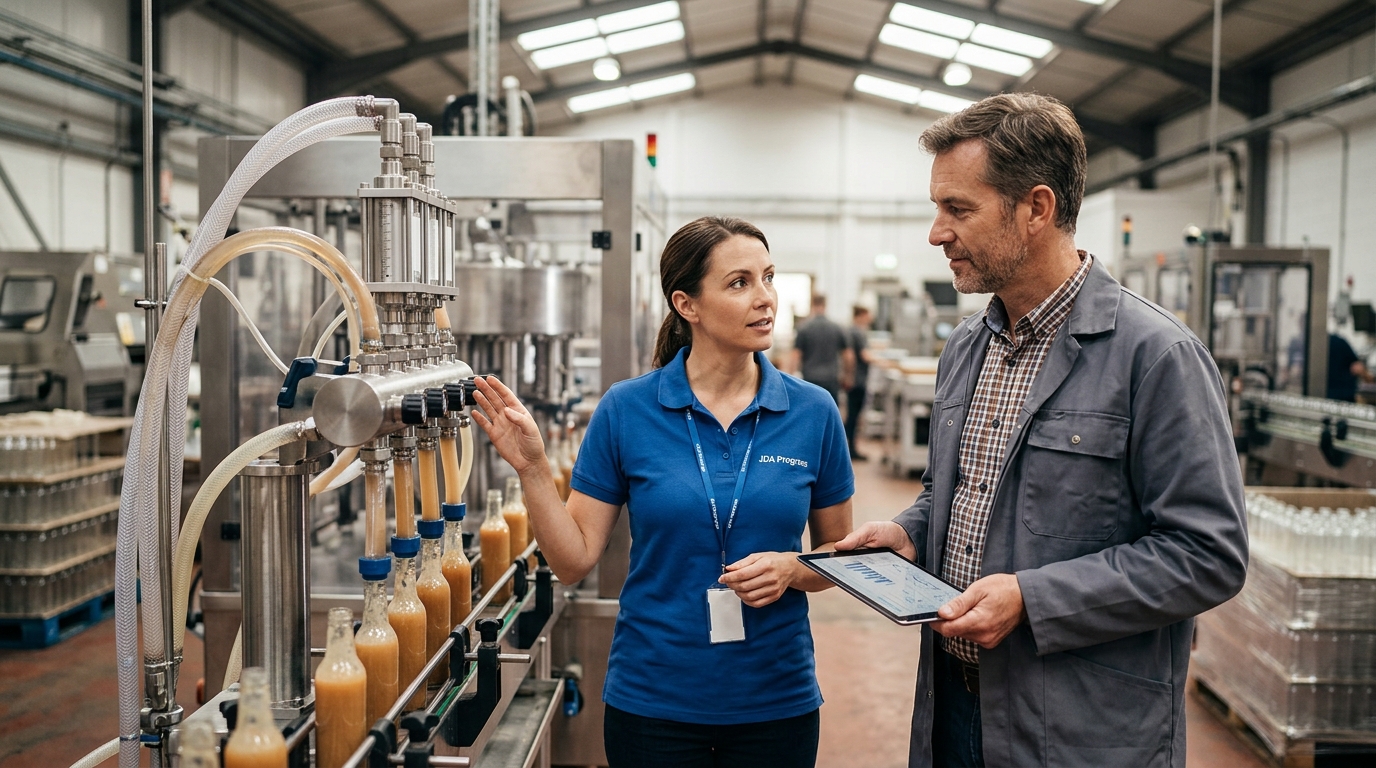
Choosing the correct filling machine is one of the most critical capital expenditure decisions a manufacturing plant will make. The wrong choice leads to operational bottlenecks, product waste, and significant downtime. According to industry data, automated filling systems can increase production speed by up to 50% compared to manual methods while reducing labor costs by 30%. This guide outlines the essential criteria for selecting the right filling machine for your specific operational needs. (About JDA Progress Packaging)
Understanding Product Viscosity and Type
The physical properties of your product dictate the fundamental mechanics of the filling process. Viscosity is the primary driver in selecting between piston, pump, or gravity fillers. Products range from thin liquids like water or solvents to thick pastes like peanut butter or heavy creams. (Trusted Packaging Equipment Manufacturer)
For low-viscosity liquids, gravity or pressure fillers are often sufficient. However, high-viscosity products require positive displacement fillers, such as piston fillers, to push the product into the container. JDA Progress specializes in both liquid and powder filling systems, ensuring that the machinery matches the rheological properties of your material. Using a filler designed for thin liquids on a thick paste will result in incomplete fills and mechanical failure.
Additionally, consider whether your product is free-flowing or non-free-flowing. Powders and granules require auger fillers or weigh fillers to maintain accuracy. Liquid products may require degassing systems to prevent foaming during the filling process. Understanding these nuances ensures that the machinery you select can handle the product without degradation or loss of quality.
Container Material and Geometry
Your packaging format must align with the mechanical capabilities of the filler. The shape, size, and material of the container influence the capping and labeling stages that follow the filling process. Container geometry affects stability on the conveyor line and the precision required for the filling nozzle.
Round bottles, square jars, and flexible pouches each require different handling mechanisms. For example, filling flexible pouches often involves Vertical Form Fill Seal (VFFS) machines, which create the bag and fill it simultaneously. Rigid containers like glass or plastic bottles require unscramblers to orient them correctly before filling. JDA Progress offers a range of capping machines that work in tandem with fillers to ensure a secure seal immediately after the product is dispensed.
Consider the neck finish of your bottles. The filling nozzle must match the bottle opening to prevent spillage and ensure a tight seal. If you plan to switch between different bottle sizes, ensure the filler has adjustable nozzles or quick-change parts to accommodate these variations without extensive downtime.
Production Speed vs. Accuracy Requirements
Every production line has a target output measured in containers per minute (CPM). Your filling machine must meet this speed without compromising accuracy. Accuracy is critical for cost control and regulatory compliance. Overfilling wastes product and reduces profit margins. Underfilling leads to customer complaints and potential legal issues.
High-speed lines often require multi-head fillers to achieve the necessary throughput. For example, a four-head piston filler can fill four containers simultaneously, quadrupling the speed of a single-head unit. However, higher speed often comes with a higher initial investment and greater complexity in maintenance.
Balance your current volume needs with future growth. It is often more cost-effective to invest in a machine with 20% more capacity than your current peak demand. This ensures that the machine remains viable as your business scales. JDA Progress engineers help clients calculate the optimal speed-to-cost ratio based on their specific production goals.
Hygiene Standards and Regulatory Compliance
The industry you serve dictates the hygiene standards your equipment must meet. Food and beverage, pharmaceutical, and cosmetic products all have strict regulatory requirements. Sanitary design is non-negotiable in these sectors to prevent contamination and ensure product safety.
Look for machines constructed from stainless steel, specifically 304 or 316 grades, which resist corrosion and are easy to clean. The equipment should have minimal crevices where product can accumulate and spoil. Easy Clean-in-Place (CIP) systems are essential for reducing downtime during sanitation procedures.
Compliance with standards such as FDA, USDA, or EHEDG is often required. JDA Progress ensures that its fillers and associated equipment meet these rigorous standards. Verify that the manufacturer provides documentation proving compliance with relevant health and safety regulations in your region.
Line Flexibility and Changeover Speed
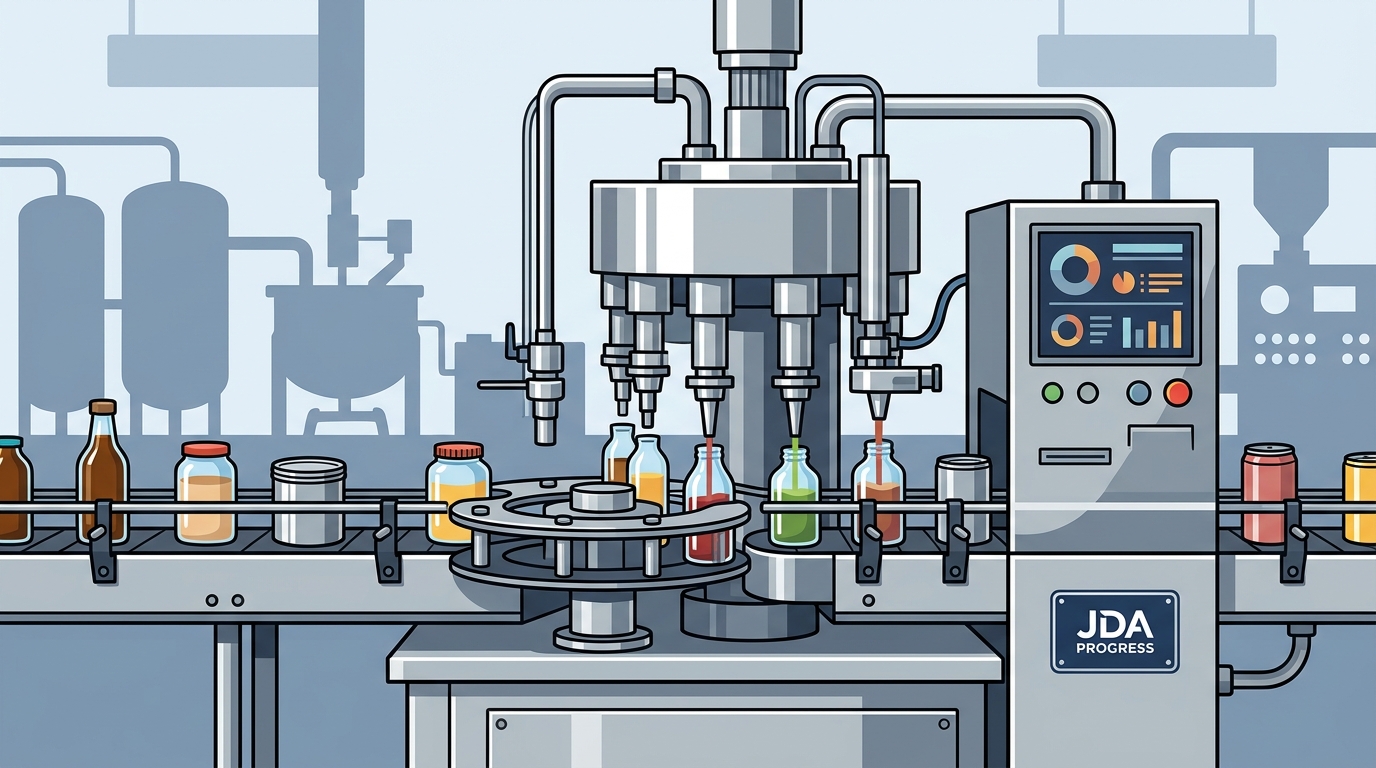
Modern manufacturing often requires running multiple SKUs on the same line. The ability to switch between different products and container sizes quickly is a key criterion for selection. Changeover time directly impacts efficiency. Machines that require tools and hours to adjust will bottleneck your production.
Look for features such as quick-change nozzles, adjustable conveyor widths, and programmable logic controllers (PLCs) that store multiple product recipes. Automated changeovers reduce the risk of human error and minimize the time the line is down. JDA Progress designs its machines with user-friendly interfaces that allow operators to switch settings with minimal training.
Consider the complexity of your product mix. If you frequently switch between viscous and low-viscosity products, ensure the machine can handle both without extensive cleaning or part replacement. Flexibility is a major advantage in today’s dynamic market where consumer preferences shift rapidly.
After-Sales Support and Spare Parts
The longevity of your filling machine depends heavily on the support provided by the manufacturer. Availability of spare parts is critical for minimizing downtime. If a critical component fails and the part is not in stock, your entire production line could halt for weeks.
JDA Progress maintains a large inventory of in-stock packaging equipment and parts for fast delivery. This ensures that repairs can be made quickly without waiting for custom manufacturing. Additionally, comprehensive training programs are essential for your operators to maintain the machine correctly and troubleshoot minor issues.
Evaluate the manufacturer’s reputation for customer service. Read reviews from existing clients to gauge their responsiveness and technical expertise. A manufacturer that provides proactive support and regular maintenance checks can extend the life of your equipment and improve its performance over time. Visit our Demo Centre to see the equipment in action and speak directly with our engineers.
Comparison of Filling Machine Types
| Machine Type | Best For | Accuracy | Speed | Key Benefit |
|---|---|---|---|---|
| Piston Filler | High viscosity liquids and pastes | High | Medium to High | Handles thick products effectively |
| Auger Filler | Powders and granules | Very High | Medium | Precise dosing of dry products |
| Gravity Filler | Low viscosity liquids | Medium | High | Simple design, low cost |
| VFFS Machine | Pouches and bags | High | High | Forms and fills in one step |
| Peristaltic Pump | Shear-sensitive liquids | High | Low to Medium | Gentle handling of product |
Key Takeaways
- Viscosity Matters: Match the filler type to the product’s physical properties to ensure consistent fills.
- Container Compatibility: Ensure the machine handles your specific bottle or pouch geometry and material.
- Accuracy vs. Speed: Balance throughput needs with the precision required for your product value.
- Hygiene is Critical: Choose sanitary designs that meet FDA or USDA standards for food and pharma.
- Support is Key: Prioritize manufacturers with in-stock parts and robust training programs.
- Flexibility Adds Value: Quick changeover features reduce downtime and increase line efficiency.
- Long-Term Partnership: Work with a manufacturer like JDA Progress that offers ongoing service and support.
Frequently Asked Questions
How do I choose between a piston and auger filler?
Choose a piston filler for liquids and pastes, and an auger filler for powders and granules. The product’s physical state determines the mechanism required for accurate dispensing.
What is the typical warranty period for packaging equipment?
JDA Progress provides a 1-year warranty on all machines and parts. This coverage ensures that any manufacturing defects are addressed promptly, protecting your investment.
Can I visit the factory to see the machines in action?
Yes, JDA Progress has a permanent showroom in Vaughan, Ontario. You can request a demo to see the equipment running with your own products before making a purchase.
How important is after-sales support?
Extremely important. Reliable support ensures minimal downtime. JDA Progress offers comprehensive service and parts support to keep your line running smoothly.
What industries does JDA Progress serve?
JDA Progress serves the food & beverage, cosmetics, chemicals, and nutraceutical industries. Our equipment is tailored to meet the specific needs of each sector.
Do you offer custom solutions?
Yes, our engineers work closely with clients to design custom packaging solutions that fit their unique production requirements and space constraints.
How long does installation take?
Installation time varies based on the complexity of the line. JDA Progress technicians typically handle installation and provide training to ensure your team is proficient.
Ready to Optimize Your Packaging Line?
Selecting the right filling machine is a strategic decision that impacts your bottom line for years to come. Partner with a trusted manufacturer that understands your industry’s unique challenges. JDA Progress has over 35 years of experience helping businesses maximize efficiency and boost ROI. Contact us today to discuss your needs and request a quote.