Concrete Benefits and Expected Outcomes of Automatic Round Bottle Labeling Machines
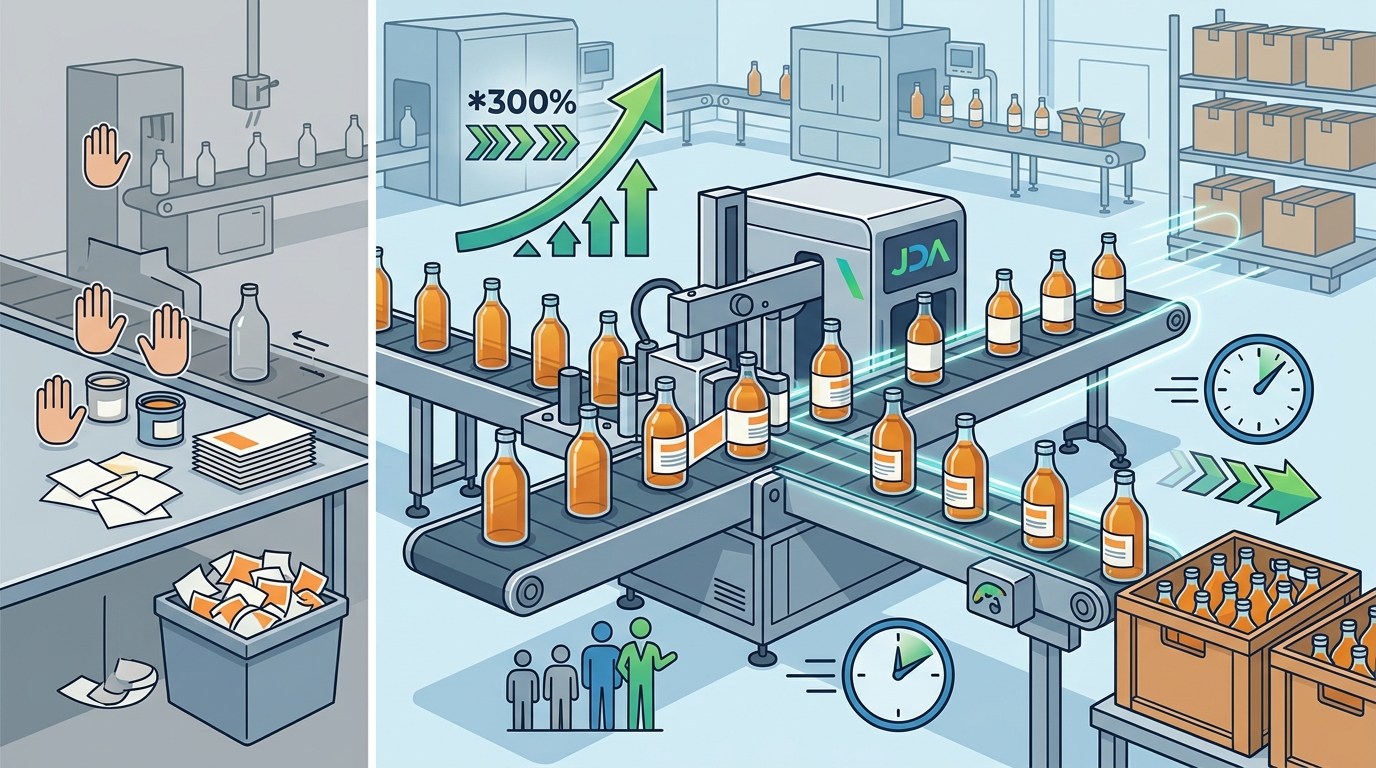
Manufacturing efficiency is no longer a luxury but a survival metric in the modern packaging industry. According to recent industry analyses, automated labeling systems can reduce labor costs by up to 40% while increasing output speed by 300% compared to manual application. This dramatic shift in operational capability defines the modern standard for high-volume production lines. Companies that fail to adopt automated labeling solutions often find themselves unable to meet the stringent delivery timelines demanded by major retail distributors. The transition from manual to automatic labeling is not merely an upgrade in speed but a fundamental restructuring of quality control and brand consistency.
Precision and Consistency in Label Application
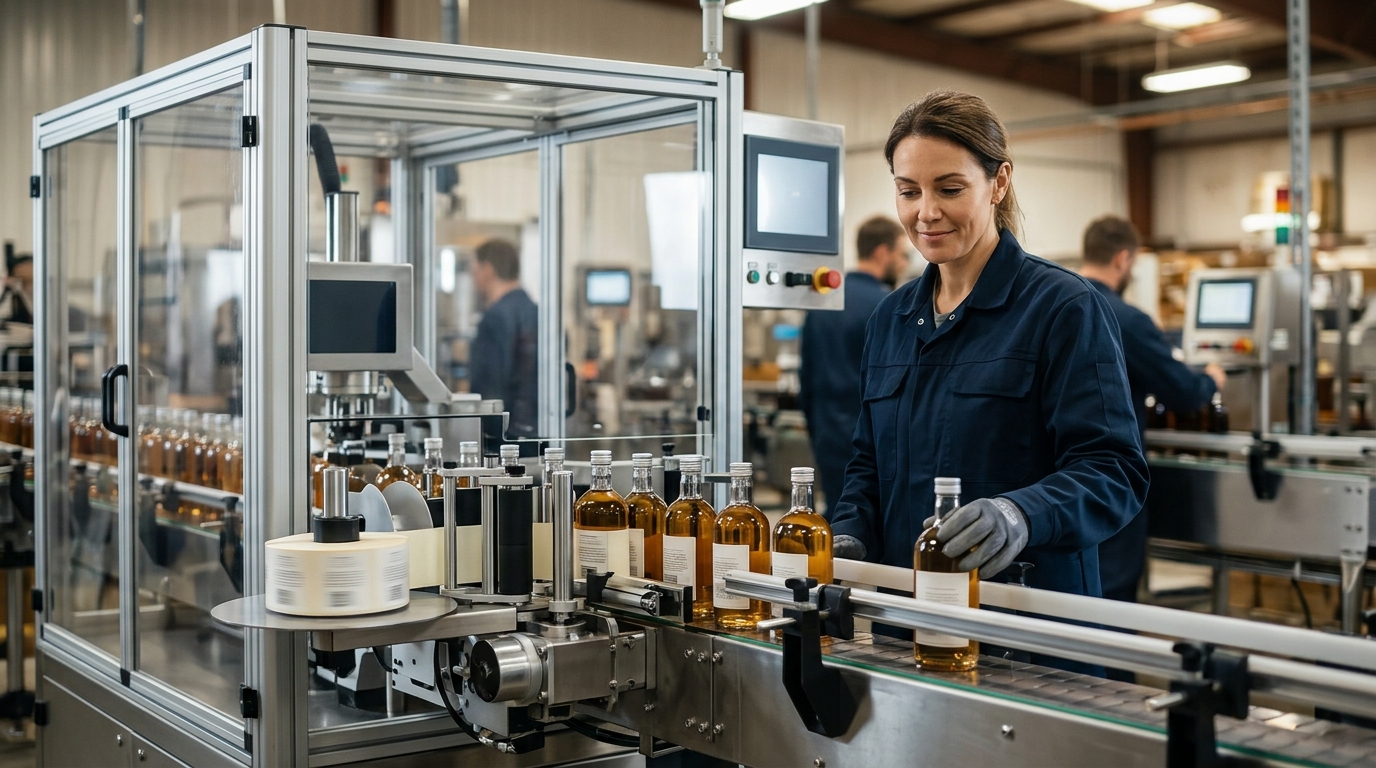
The most immediate benefit of an automatic round bottle labeling machine is the elimination of human error. Manual labeling is inherently variable. A worker may apply a label slightly crooked, create a bubble, or miss the adhesive spot entirely. These minor defects accumulate into significant quality issues that damage brand reputation. Automatic machines utilize servo-driven mechanisms to place labels with sub-millimeter accuracy every single time.
This consistency is critical for industries like pharmaceuticals and cosmetics. In these sectors, regulatory compliance requires that labels be perfectly aligned and legible. A misaligned label can lead to rejected shipments or even legal penalties. By standardizing the application process, manufacturers ensure that every bottle leaving the line meets the exact same visual and functional standards. This level of precision is impossible to sustain manually over an eight-hour shift.
Furthermore, automatic systems handle a wide variety of label materials. Whether the label is paper, polyester, or polypropylene, the machine adjusts tension and adhesive application to match. This adaptability ensures that the final product looks professional regardless of the packaging material used. For brands that rely on shelf appeal, this visual uniformity is a direct driver of consumer trust. (404 Not Found)
Speed and Throughput Optimization
Throughput is the lifeblood of any packaging operation. Manual labeling is slow. A skilled worker might apply 20 to 30 labels per minute at best. An automatic round bottle labeling machine can process hundreds of bottles per minute. This increase in speed allows manufacturers to meet large order volumes without extending shifts or adding headcount.
The relationship between speed and quality is often misunderstood. Many managers fear that increasing speed will compromise quality. However, modern automatic labeling equipment is designed to maintain high precision even at peak speeds. The machines use advanced sensors to detect bottle position and adjust the label placement in real time. This dynamic adjustment ensures that speed does not come at the expense of accuracy.
Additionally, automatic systems reduce bottlenecks in the production line. When labeling is the slowest step in the process, the entire line suffers. By automating this step, manufacturers can balance the line more effectively. This balance reduces idle time for downstream processes like capping, boxing, and palletizing. The result is a smoother, more predictable production flow that maximizes overall equipment effectiveness.
Long-Term Cost Efficiency and ROI
While the initial investment in automatic labeling equipment is significant, the long-term cost savings are substantial. The primary driver of this savings is labor reduction. One automatic machine can replace the work of three to five manual labelers. Over the course of a year, the salary and benefits savings often cover a large portion of the machine cost.
Beyond labor, automatic systems reduce material waste. Manual labelers often make mistakes that require reworking or discarding the bottle. In high-volume production, these wasted bottles add up to thousands of dollars in lost product and packaging materials. Automatic machines minimize waste by ensuring correct application on the first try. This efficiency extends to the labels themselves. Advanced tension control systems prevent label tearing and stretching, further reducing material costs.
The return on investment (ROI) for automatic labeling machines is typically realized within 12 to 18 months. This calculation includes direct labor savings, reduced waste, and increased production capacity. For companies planning to scale their operations, the ROI becomes even more compelling. The ability to produce more with fewer resources provides a competitive advantage that manual operations simply cannot match.
Seamless Integration with Existing Lines
Modern automatic labeling machines are designed to integrate seamlessly with existing packaging infrastructure. They can be connected to conveyors, fillers, and cappers to create a continuous flow. This integration is crucial for maintaining line balance and preventing bottlenecks.
Flexibility is another key aspect of integration. Many automatic labeling machines are adjustable to handle different bottle sizes and shapes. This adaptability allows manufacturers to switch between product lines quickly without extensive downtime for reconfiguration. The ability to change over rapidly is particularly valuable for contract packers and companies with diverse product portfolios.
Furthermore, automatic systems provide valuable data insights. Many modern machines are equipped with digital interfaces that track production metrics. These metrics include labels applied, error rates, and machine uptime. This data allows managers to identify inefficiencies and make informed decisions about maintenance and process improvements. The integration of data analytics into the labeling process transforms it from a simple mechanical task into a strategic operational asset.
Comparing Labeling Technologies
Not all automatic labeling machines are created equal. Understanding the differences between various technologies is essential for selecting the right equipment for your needs. The following table compares common labeling technologies.
| Technology | Best For | Speed | Complexity |
|---|---|---|---|
| Wrap-Around Labelers | Round bottles with full-body labels | High | Medium |
| Pressure-Sensitive Labelers | Small to medium labels on various surfaces | Very High | Low |
| Sleeve Labelers | 360-degree branding and shrink sleeves | Medium | High |
| Hot Melt Glue Labelers | Heavy labels or uneven surfaces | Medium | High |
Wrap-around labelers are particularly popular for round bottles because they provide a seamless, professional look. They are ideal for products where brand visibility is paramount. Pressure-sensitive labelers, on the other hand, are versatile and can handle a wide range of label sizes. They are often used for secondary labeling or application on irregular surfaces. Sleeve labelers offer maximum branding space but require additional heat shrink equipment. Hot melt glue labelers are used for heavy-duty applications where adhesive strength is critical.
Key Takeaways
- Automatic labeling reduces labor costs by up to 40% while increasing output speed by 300%.
- Precision labeling eliminates human error, ensuring consistent brand presentation and regulatory compliance.
- High-speed throughput allows manufacturers to meet large order volumes without extending shifts.
- Long-term ROI is typically realized within 12 to 18 months through labor savings and waste reduction.
- Modern machines offer flexible integration with existing conveyor and filling systems.
- Data-driven insights from automated systems enable continuous process improvement.
- Choosing the right labeling technology depends on bottle shape, label type, and production volume.
Frequently Asked Questions
What is the typical speed of an automatic round bottle labeling machine?
Speed varies by model and configuration, but most automatic machines can handle between 30 and 120 bottles per minute. High-speed models can exceed 200 bottles per minute depending on the label type and bottle size.
Can automatic labelers handle different bottle sizes?
Yes, most automatic labeling machines are adjustable to accommodate a range of bottle diameters and heights. Quick-change parts allow for rapid switching between product lines with minimal downtime.
How does automatic labeling improve quality control?
Automatic systems use sensors to detect bottle position and label placement. This ensures consistent alignment and eliminates the variability associated with manual application. Consistent quality reduces customer complaints and returns.
Is the initial investment worth the cost?
For high-volume production, the answer is yes. The reduction in labor costs, waste, and increased throughput typically results in a positive ROI within 12 to 18 months. The long-term savings outweigh the initial capital expenditure.
What types of labels can be applied automatically?
Automatic labelers can apply pressure-sensitive labels, shrink sleeves, hot melt glue labels, and wrap-around labels. The choice depends on the product requirements and desired aesthetic.
Do automatic labeling machines require specialized maintenance?
While they require regular maintenance, most modern machines are designed for ease of use. Routine tasks include cleaning, lubrication, and inspection of wear parts. Many manufacturers offer service contracts to support ongoing maintenance.
How do automatic labelers integrate with other packaging equipment?
Automatic labelers can be connected to conveyors, fillers, and cappers via PLC controls. This integration ensures synchronized operation and smooth product flow through the entire packaging line.
Next Steps for Automation
Transitioning to automatic round bottle labeling is a strategic decision that impacts every aspect of your manufacturing operation. From increased speed and precision to significant cost savings, the benefits are clear. However, selecting the right equipment requires careful consideration of your specific production needs. JDA Progress offers expert guidance and high-quality labeling solutions tailored to your business. Visit our Design Services page to explore how we can help you optimize your packaging line. Contact us today to schedule a consultation and discover the concrete benefits of automation for your company.