Cost-Benefit Analysis of On-Site Equipment Testing Before Purchase
Capital expenditure for industrial packaging machinery represents a significant portion of a manufacturing budget. According to industry data, unplanned downtime in packaging lines can cost manufacturers between $50,000 and $250,000 per hour. This statistic highlights why validating equipment performance before signing a purchase order is not just a precaution, but a financial necessity. On-site equipment testing, often facilitated through manufacturer demo centers or factory acceptance tests, provides the empirical data needed to forecast return on investment accurately. This guide analyzes the tangible and intangible costs associated with testing versus the long-term benefits of operational certainty.
Why On-Site Testing Matters
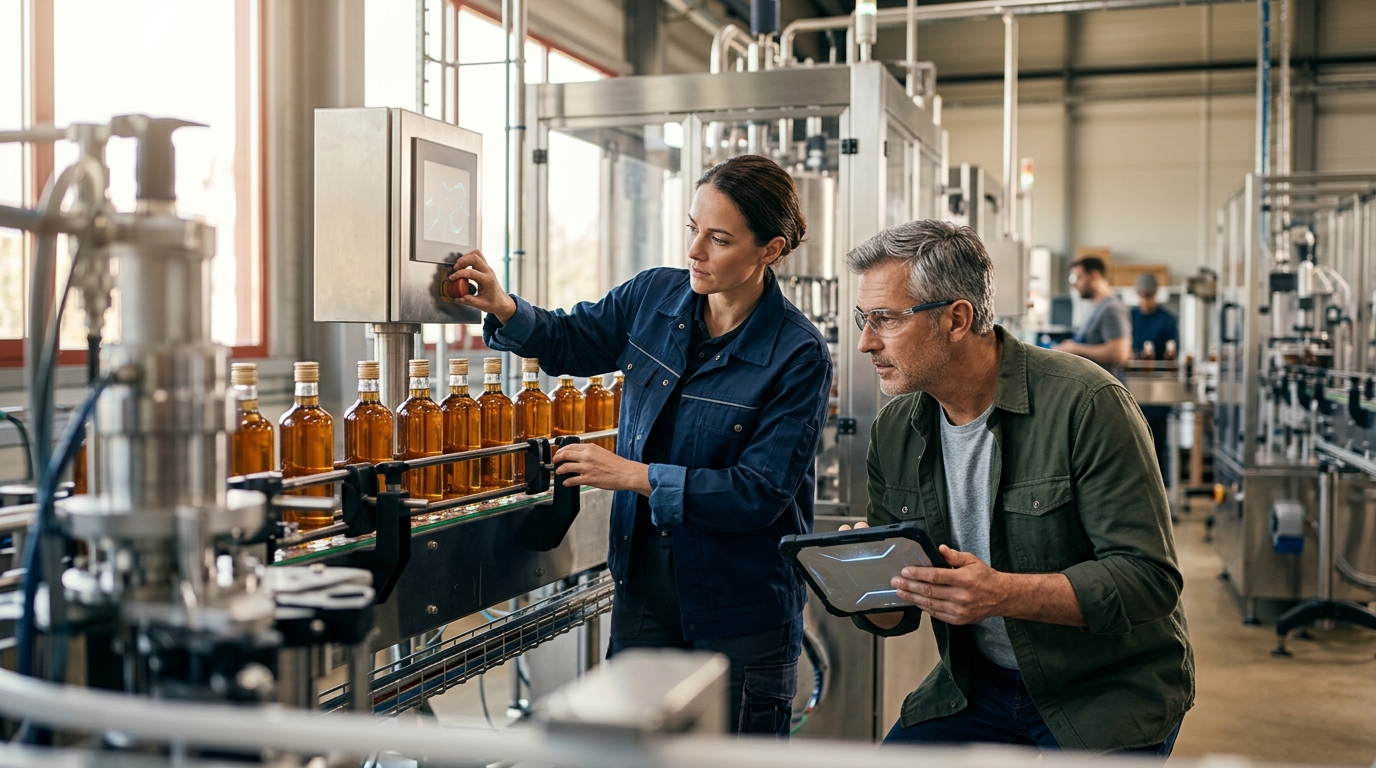
Spec sheets and theoretical throughput rates rarely reflect the chaotic reality of a live production floor. On-site equipment testing is the process of validating machinery performance using your specific product, packaging materials, and environmental conditions. This validation step eliminates the guesswork that often leads to costly post-installation failures.
When you evaluate a machine in a controlled showroom environment, you are seeing it run ideal conditions. However, your facility may have variable humidity, inconsistent power supply, or unique product viscosity issues. By bringing your own materials to a demonstration center, you can observe how the equipment handles real-world friction. For example, a filler might perform perfectly with water but fail with a high-viscosity sauce. Identifying this discrepancy during the testing phase saves months of engineering retrofitting later.
Furthermore, testing allows your technical team to assess the user interface and maintenance accessibility. A machine that is difficult to clean or program will inevitably lead to higher labor costs and increased error rates. The feedback from long-term clients often cites after-sales support and ease of use as critical factors in their satisfaction, reinforcing the need for hands-on evaluation.
The Cost Structure of Testing
Conducting an equipment test is not free. It requires time, travel, and logistical coordination. Understanding these costs is the first step in performing a balanced analysis.
Direct Financial Costs
The most obvious costs involve travel and accommodation for your engineering team. If the manufacturer has a permanent showroom, these costs are minimized. However, if you require a factory acceptance test at the manufacturing plant, expenses for flights, hotels, and per diems can add up quickly. Additionally, some manufacturers charge a fee for the testing service itself, though many waive this if the purchase is finalized.
Operational Opportunity Costs
Time is a more valuable currency than dollars in many industrial contexts. Your engineers and operations managers are pulling resources away from daily production to attend the test. You must calculate the hourly wage of these employees and the potential loss of productivity during their absence. If the testing process is disorganized or poorly scheduled, these opportunity costs skyrocket.
Logistical Preparation Costs
You must prepare your product samples and packaging materials for shipment. This includes the cost of raw materials, packaging stock, and freight. If the test fails or the machine is unsuitable, these materials are often wasted. Therefore, the cost of testing is directly tied to the risk of selecting the wrong equipment.
Quantifying the Benefits
While the costs of testing are immediate and visible, the benefits are often deferred but significantly larger. A rigorous cost-benefit analysis reveals that the price of testing is a fraction of the cost of failure.
Preventing Capital Waste
The primary benefit of testing is avoiding the purchase of unsuitable machinery. If you buy a filling machine without testing it, and it turns out to be incompatible with your product, you face the double burden of returning the equipment and buying a new one. This process can delay your launch by six to twelve months. The cost of this delay, including lost revenue and extended marketing timelines, far exceeds the cost of a single testing trip.
Optimizing Throughput and Efficiency
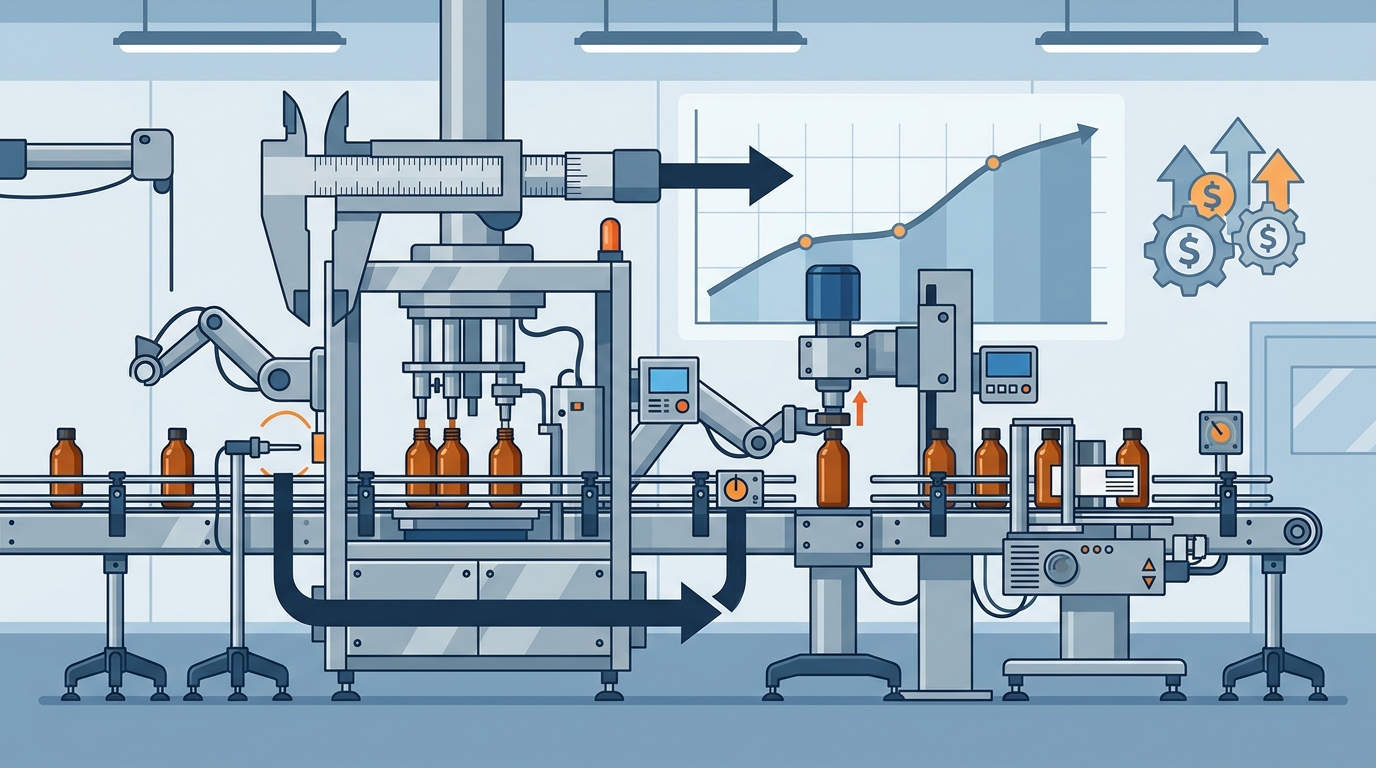
Testing allows you to negotiate performance guarantees. By running your product at full speed during the demo, you can establish a baseline for throughput. If the machine fails to meet the agreed-upon speed, you have leverage to negotiate a lower price or demand upgrades. This ensures that your bottling line delivers the ROI projected in your initial business case.
Training and Integration
On-site testing serves as an extended training session for your staff. Your operators can learn the machine’s quirks and maintenance requirements before it arrives at your facility. This reduces the learning curve during installation and minimizes the risk of operator error. Early familiarity with the control system reduces the likelihood of production halts in the first month of operation.
Supply Chain Confidence
Establishing a relationship with the manufacturer’s technical team during the testing phase builds trust. When issues arise later, you have a direct line to the experts who understand your specific setup. This support network is invaluable for maintaining high uptime and minimizing downtime costs.
Testing Models Compared
Not all testing scenarios are created equal. Understanding the differences between showroom demos and factory acceptance tests helps you choose the right approach for your budget and risk tolerance.
| Testing Model | Cost Level | Realism | Best For |
|---|---|---|---|
| Showroom Demo | Low | Medium | Initial screening of multiple vendors |
| Factory Acceptance Test | High | High | Final validation before shipment |
| On-Site Trial | Very High | Very High | Complex integration projects |
A showroom demonstration is ideal for narrowing down your list of potential suppliers. It allows you to compare several machines side-by-side with minimal expense. However, the environment is controlled and may not reflect your plant’s conditions. A factory acceptance test is more rigorous and involves your team visiting the manufacturing facility. This is the gold standard for high-value equipment like capping machines or labelers.
Key Takeaways
- Cost of Downtime: Unplanned downtime can cost manufacturers up to $250,000 per hour, making pre-purchase validation critical.
- ROI Protection: Testing ensures the machine meets throughput guarantees, protecting your projected return on investment.
- Material Compatibility: Your specific product and packaging materials must be tested to avoid viscosity or sealing issues.
- Staff Training: Early exposure to the machine reduces the learning curve and minimizes operator error.
- Negotiation Leverage: Performance data from testing provides leverage for price negotiations or contract upgrades.
- Support Relationships: Building rapport with technical teams during testing improves long-term service outcomes.
- Risk Mitigation: The cost of testing is a small fraction of the cost of returning unsuitable equipment.
Frequently Asked Questions
Is on-site testing mandatory for all packaging equipment?
While not always legally mandatory, it is highly recommended for any high-value capital equipment. For smaller, off-the-shelf units, a showroom demo may suffice. However, for custom bottling lines, testing is essential to ensure compatibility.
How long does a typical equipment test take?
A standard demonstration might last two to four hours. A full factory acceptance test can take one to three days, depending on the complexity of the machinery and the number of products being tested.
Who should attend the equipment test?
Your engineering manager, operations supervisor, and maintenance lead should attend. Their input is crucial for assessing technical feasibility and long-term maintainability.
Can I bring my own packaging materials?
Yes, you should always bring your own product and packaging materials. This is the only way to accurately assess how the machine will perform in your specific application.
What happens if the machine fails the test?
If the machine fails to meet performance criteria, you can negotiate repairs, request a different model, or cancel the contract without penalty. This is the primary benefit of the testing phase.
Are there costs associated with testing?
There are direct costs for travel and accommodation. Some manufacturers may charge a testing fee, but this is often credited toward the final purchase price if you proceed with the order.
How do I prepare for a factory acceptance test?
Prepare a detailed test protocol with specific metrics for throughput, accuracy, and uptime. Ensure your product samples are ready and that your team understands the evaluation criteria.
Next Steps
Do not leave your capital investment to chance. Validate your packaging solution with a hands-on demonstration. Contact our team to schedule a demo at our Vaughan showroom or arrange a factory acceptance test. Our engineers are ready to help you find the perfect solution for your business.