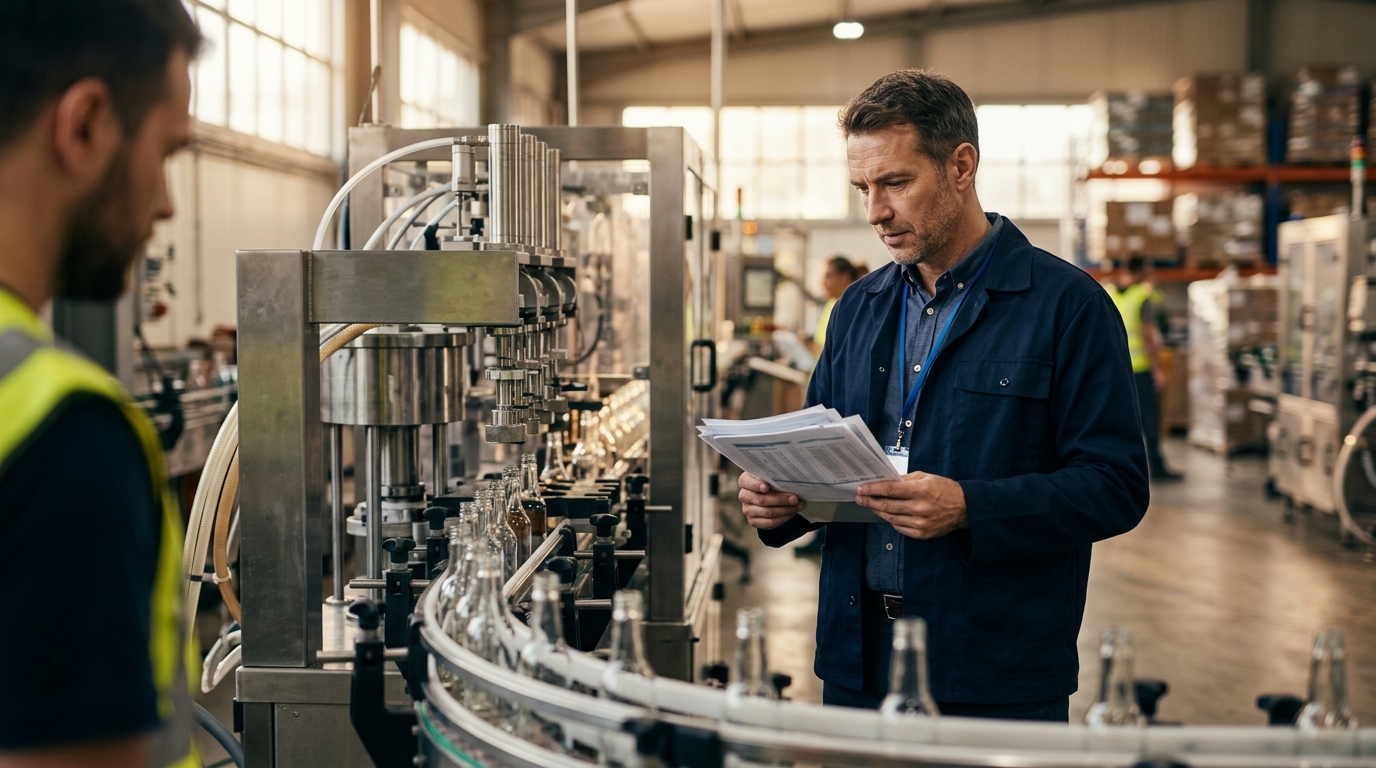
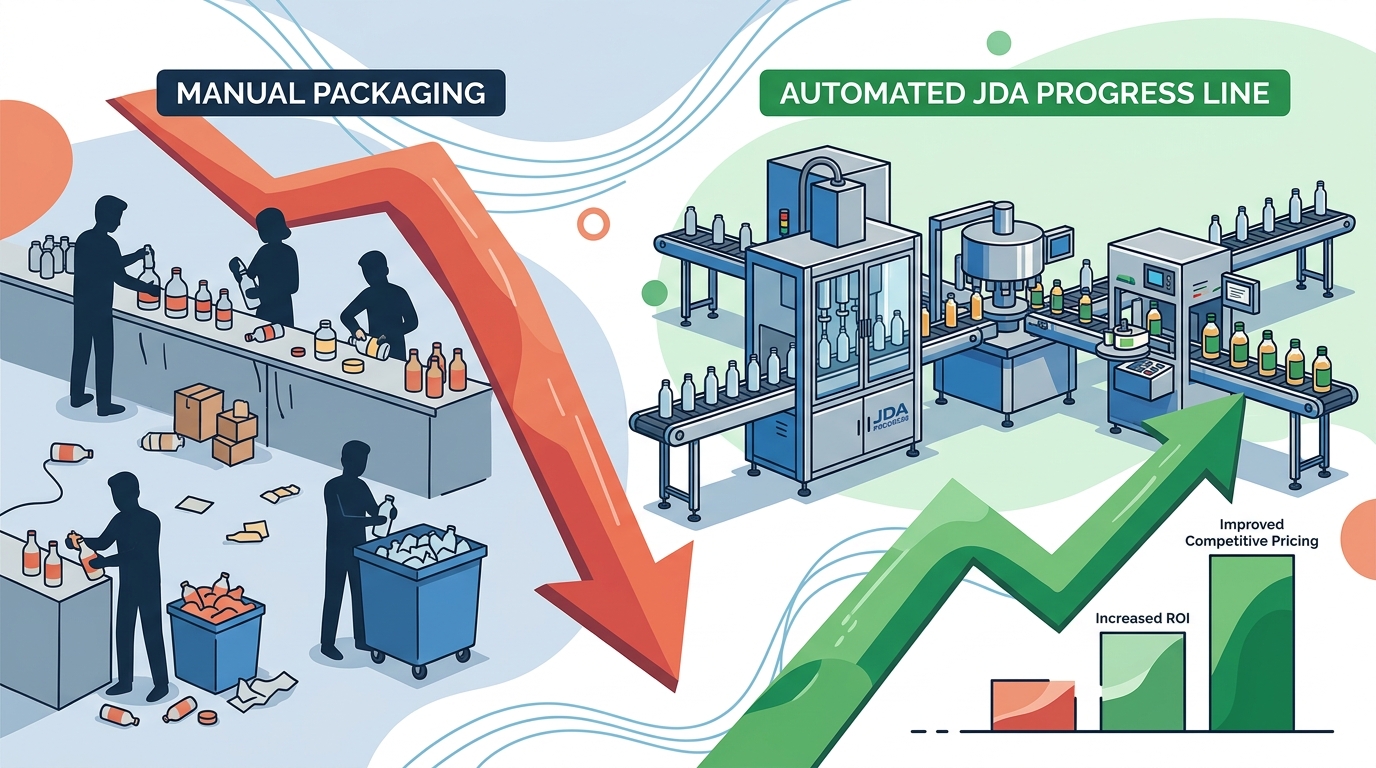
Co-packers operate on razor-thin margins where equipment downtime directly translates to lost revenue. According to recent industry data, automated packaging lines can reduce labor costs by up to 30% while increasing throughput by 200%. This shift from manual to automated systems is not merely a technological upgrade but a financial imperative for survival in the modern contract packaging sector. Understanding the true cost-benefit ratio of packaging machinery is essential for maximizing return on investment (ROI) and maintaining competitive pricing structures. (About JDA Progress Packaging)
Understanding Co-Packer Margins and Equipment Impact
Contract packaging companies face unique financial pressures. Unlike brand owners who focus on product development, co-packers must optimize every second of machine runtime. The cost of labor, material waste, and changeover time directly erodes profit margins. Investing in high-quality packaging equipment is a strategic move to stabilize these variables.
Automation reduces the dependency on manual labor, which is becoming increasingly expensive and scarce. When a co-packer invests in reliable machinery, they gain the ability to handle higher volumes with fewer staff. This scalability allows them to take on larger contracts without proportionally increasing their overhead. The result is a healthier bottom line and the capacity to grow without the typical bottlenecks of manual operations.
Furthermore, consistency is a major driver of client retention. Clients expect uniform packaging quality across every batch. Manual processes often lead to variability, which can result in rejected shipments and lost contracts. Automated systems ensure that every package meets precise specifications, reducing waste and enhancing the co-packer's reputation for reliability. This reliability is a tangible asset that justifies the initial capital outlay.
Capital Expenditure vs. Operational Savings
When evaluating packaging equipment, it is crucial to look beyond the sticker price. The total cost of ownership (TCO) includes installation, training, maintenance, and energy consumption. However, the operational savings often outweigh these initial costs within a relatively short period.
For instance, a high-speed filler can process thousands of units per hour, significantly reducing the cost per unit compared to semi-automatic alternatives. While the upfront investment is higher, the reduction in labor hours and increase in throughput leads to faster payback periods. Co-packers must calculate the break-even point based on their specific production volumes and labor rates.
Energy efficiency is another critical factor. Modern packaging machines are designed to minimize power consumption without sacrificing performance. This not only lowers utility bills but also aligns with sustainability goals, which are increasingly important to brand clients. By choosing energy-efficient equipment, co-packers can reduce their operational footprint while improving their financial performance.
Key Machinery Categories and Efficiency Gains
Different stages of the packaging process offer different opportunities for cost savings. Understanding the specific benefits of each machinery type helps co-packers make informed investment decisions.
Fillers and Labelers
Fillers are the heart of any liquid or powder packaging line. Precision fillers reduce product giveaway, which is a significant hidden cost. Even a small amount of overfilling can add up to thousands of dollars in wasted product annually. Labelers, on the other hand, ensure brand consistency and regulatory compliance. Mislabeling can lead to costly recalls and damage to client relationships.
Cappers and Sealers
Capping and sealing are critical for product integrity. Inconsistent capping can lead to leaks, spoilage, and customer complaints. Automated capping machines ensure uniform torque application, protecting the product and the brand. Sealers provide an additional layer of security, ensuring that products remain fresh and tamper-evident throughout the supply chain.
Baggers and Conveyors
Vertical form fill seal (VFFS) machines offer flexibility for a wide range of products. They allow co-packers to switch between different bag sizes and materials quickly, reducing changeover time. Conveyors streamline the flow of products between stations, minimizing manual handling and reducing the risk of damage. Together, these systems create a seamless production environment that maximizes efficiency.
Calculating ROI for Packaging Investments
To determine the true value of a packaging investment, co-packers should use a structured ROI calculation framework. This involves comparing the net financial benefit of the investment against its cost over a specific period.
| Factor | Impact on Cost-Benefit Analysis | Example Metric |
|---|---|---|
| Labor Reduction | Decreases ongoing operational expenses | 2-3 fewer staff members per shift |
| Throughput Increase | Increases revenue potential per hour | 50% faster production speed |
| Waste Reduction | Lowers material costs and disposal fees | 10% less product giveaway |
| Maintenance Costs | Affects long-term profitability | Annual service contract fees |
By quantifying these factors, co-packers can present a compelling business case to stakeholders. The goal is to demonstrate that the investment will pay for itself within a reasonable timeframe, typically 12 to 24 months, through increased efficiency and reduced costs.
The Hidden Costs of Maintenance and Support
One of the most overlooked aspects of packaging equipment investment is the cost of maintenance and support. Downtime is expensive. When a machine breaks down, production stops, and deadlines are missed. This can lead to penalties and loss of client trust.
Choosing a manufacturer with a strong service network is crucial. Companies that offer comprehensive warranty coverage and readily available spare parts can significantly reduce downtime. For example, JDA Progress maintains an extensive inventory of in-stock parts, ensuring that repairs can be completed quickly without waiting for shipments from overseas.
Additionally, training is a vital component of maintenance. Well-trained operators can identify potential issues before they become major problems. Manufacturers that provide thorough training programs help co-packers maximize the lifespan of their equipment and minimize unexpected repair costs. This proactive approach to maintenance is a key driver of long-term ROI.
Key Takeaways
- Automation Drives Profitability: Automated packaging lines can reduce labor costs by up to 30% while increasing throughput by 200%.
- Total Cost of Ownership Matters: Evaluate installation, training, and maintenance costs, not just the purchase price.
- Precision Reduces Waste: High-precision fillers and labelers minimize product giveaway and mislabeling errors.
- Support is Critical: Access to in-stock parts and expert technical support reduces costly downtime.
- Scalability is Key: Flexible machinery allows co-packers to adapt to changing client demands without major capital reinvestment.
- ROI Timeline: Most high-quality packaging investments pay for themselves within 12 to 24 months through efficiency gains.
- Brand Reputation: Consistent, high-quality packaging enhances client retention and attracts new business.
Frequently Asked Questions
How do I calculate the ROI of new packaging equipment?
To calculate ROI, subtract the total cost of ownership (including installation and maintenance) from the total operational savings (labor, waste reduction, and increased throughput) over a specific period. Divide the net savings by the total cost to get the ROI percentage.
What is the most important factor when choosing packaging machinery for a co-packer?
Reliability and support are the most critical factors. Downtime directly impacts your ability to meet client deadlines. Choose equipment from manufacturers with a proven track record of quality and accessible service networks.
How does automation affect labor costs in contract packaging?
Automation significantly reduces the number of operators required per shift. While it does not eliminate the need for skilled labor, it shifts the focus from manual operation to machine monitoring and maintenance, leading to lower overall labor costs.
What types of packaging equipment offer the best ROI?
High-volume fillers, labelers, and cappers typically offer the best ROI due to their direct impact on throughput and labor reduction. VFFS baggers also provide excellent value for co-packers handling diverse product lines.
Why is after-sales support important for packaging equipment?
After-sales support ensures that any issues are resolved quickly, minimizing downtime. Access to spare parts and technical expertise helps maintain equipment performance and extends its lifespan, protecting your investment.
Can small co-packers afford automated packaging equipment?
Yes, many manufacturers offer scalable solutions that fit smaller budgets. Semi-automatic machines or modular systems can provide automation benefits without the high cost of fully integrated lines.
How does packaging quality impact client retention?
Consistent, high-quality packaging builds trust with brand owners. It reduces the risk of product damage, spoilage, and regulatory issues, making your co-packing services more valuable and reliable.
Contact Us for a Custom Quote
Ready to optimize your packaging operations and maximize your ROI? JDA Progress offers a wide range of high-quality packaging equipment tailored to the needs of co-packers. From fillers and labelers to cappers and baggers, our machines are designed for efficiency, reliability, and ease of use. Visit our Demo Centre to see our equipment in action or contact us today to request a personalized quote. Let our experts help you find the perfect solution for your business.