
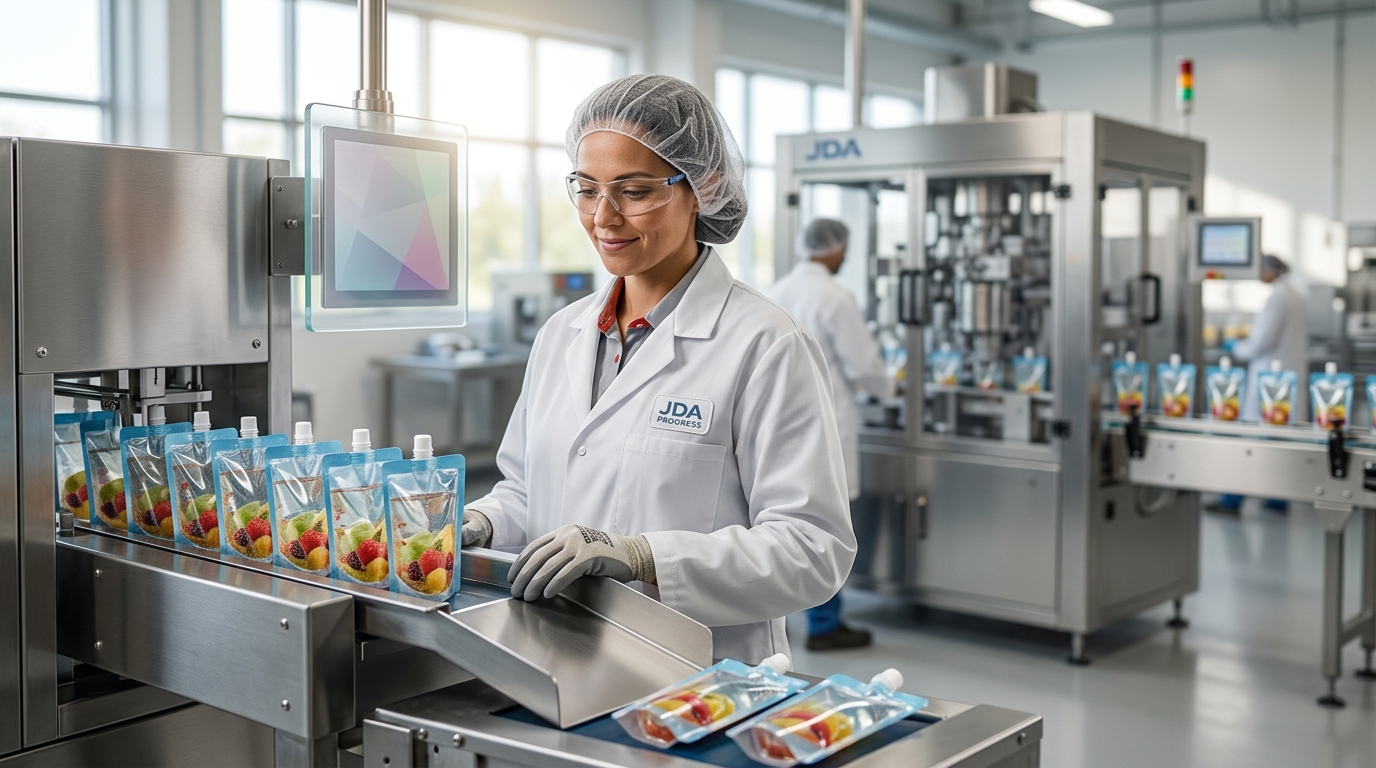
Expected ROI and Performance Gains From Automatic Standup Pouch Filling Systems
Modern packaging operations face relentless pressure to reduce waste and increase throughput. Data shows that automated standup pouch filling systems can reduce labor costs by up to 60% while increasing line speed by 300% compared to manual methods. This shift is not merely a trend but a fundamental requirement for manufacturers aiming to maintain competitive margins in the food, beverage, and chemical sectors. The transition from traditional rigid packaging to flexible standup pouches offers significant material savings, but the true value lies in the automation that drives consistent fill accuracy and minimizes product giveaway. (About JDA Progress Packaging)
Labor Efficiency and Cost Reduction
One of the most immediate financial impacts of implementing automatic standup pouch filling systems is the drastic reduction in direct labor requirements. Manual filling processes are inherently slow and prone to human error, requiring multiple operators to manage bag opening, filling, and sealing. An automated system consolidates these tasks into a single, continuous workflow. (Trusted Packaging Equipment Manufacturer)
According to industry benchmarks, automated packaging lines can operate with a fraction of the staffing needed for manual operations. This does not just lower payroll expenses but also reduces the administrative burden associated with hiring, training, and managing a large workforce. The reliability of automated equipment ensures consistent output regardless of shift changes or staff availability issues. (Trusted Packaging Equipment Manufacturer)
Furthermore, the safety profile of automated systems improves significantly. By removing workers from repetitive strain tasks and potential exposure to hazardous chemicals or hot sealing surfaces, companies reduce the risk of workplace injuries and associated insurance costs. This operational stability is a critical component of long-term profitability. (VFFS Machines Automated Pouch)
Material Savings and Sustainability
Standup pouches are inherently more material-efficient than rigid containers such as glass jars or plastic tubs. They use less plastic per unit of product, which directly lowers material costs. When combined with automated filling, the precision of the packaging process ensures that the pouches are formed and sealed correctly the first time, minimizing material waste from defects.
The lightweight nature of pouches also translates to lower shipping costs. Reduced weight and volume allow for more units to be shipped per pallet and per truckload. This logistical advantage is particularly significant for companies with national or global distribution networks. The environmental benefits of reduced material usage align with growing consumer demand for sustainable packaging solutions, enhancing brand reputation.
Additionally, automated systems can be integrated with high-barrier films that extend product shelf life. This reduces spoilage and returns, further contributing to the overall cost savings of the packaging operation. The ability to use mono-material structures in some automated lines also facilitates recycling, addressing regulatory pressures around plastic waste.
Speed and Throughput Gains
Throughput is the lifeblood of any packaging line. Automatic standup pouch filling systems are designed to operate at speeds that far exceed manual capabilities. High-speed vertical form fill seal (VFFS) machines can produce hundreds of pouches per minute, depending on the specific model and product characteristics.
This increase in speed allows manufacturers to meet peak demand periods without the need for overtime or additional shifts. It also provides the agility to take on rush orders that competitors with slower lines cannot fulfill. The consistency of automated speed ensures that production schedules are met reliably, preventing bottlenecks in downstream processes like case packing and palletizing.
JDA Progress offers a range of bagging solutions, including vertical form fill sealers and premade pouch baggers, each optimized for different speed and volume requirements. Understanding the specific throughput needs of your product is essential for selecting the right equipment to maximize your return on investment.
Fill Accuracy and Waste Reduction
Product giveaway, or overfilling, is a hidden cost that erodes profit margins. Manual filling often leads to inconsistent fill weights as operators fatigue or vary their technique. Automatic systems utilize precision weigh fillers or volumetric fillers to ensure every pouch contains the exact amount of product specified.
This level of accuracy not only saves product but also ensures compliance with net weight regulations. In industries like food and nutraceuticals, regulatory compliance is non-negotiable. Automated systems provide the documentation and consistency required to pass audits and avoid fines.
Reducing giveaway by even a small percentage can result in significant annual savings. For example, saving 1 gram per pouch on a high-volume product line can amount to thousands of pounds of product saved per year. This direct saving flows straight to the bottom line, improving the overall ROI of the packaging investment.
Production Flexibility and Changeovers
Modern manufacturing environments require the ability to switch between different products and package sizes quickly. Automatic standup pouch filling systems are designed with flexible changeover mechanisms that allow for rapid adjustments. This flexibility enables manufacturers to run smaller batches more economically, responding to market trends and customer demands with greater agility.
The ability to handle a variety of pouch styles, from flat bottom standup pouches to gusched bags, expands the range of products a single line can package. This versatility reduces the need for multiple dedicated lines, saving capital expenditure and floor space. JDA Progress provides comprehensive support to help you select equipment that matches your current and future product portfolio.
Calculating Your Return on Investment
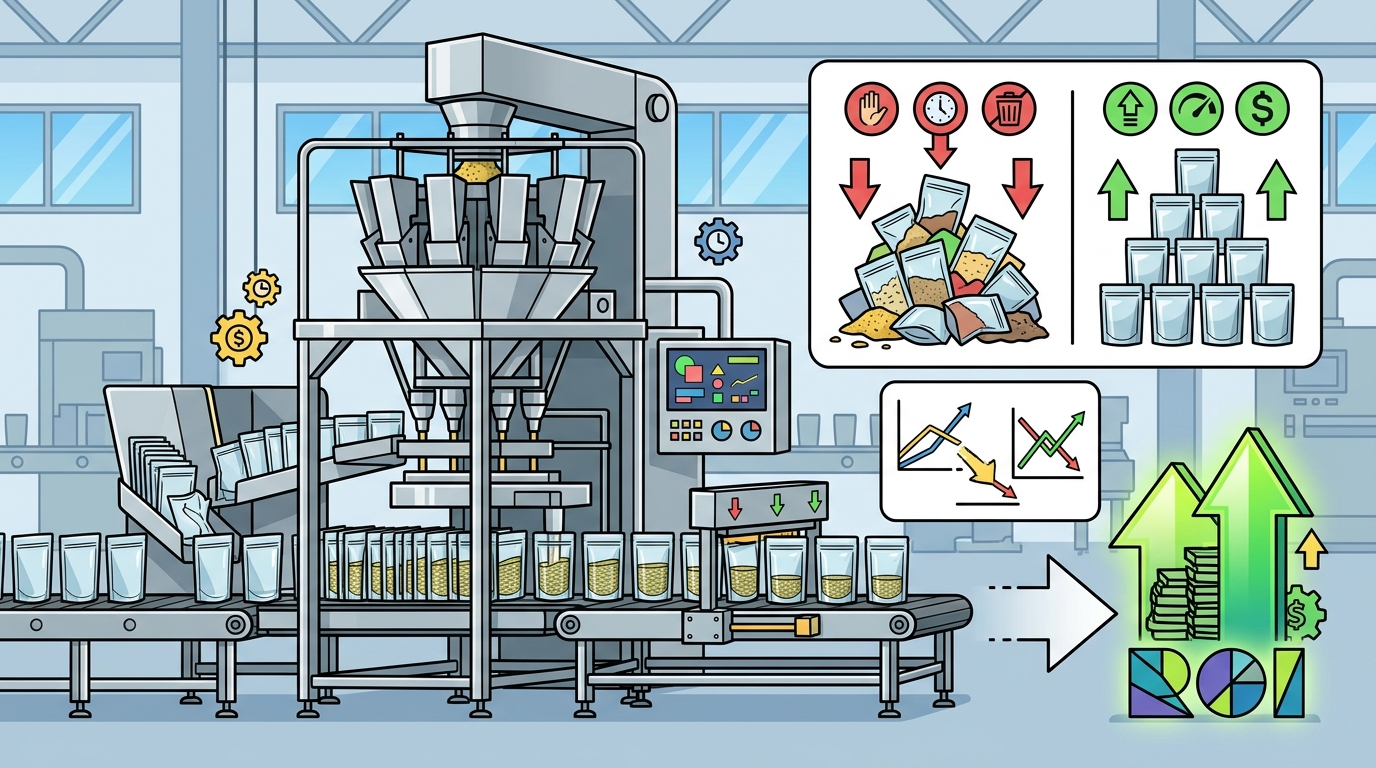
Understanding the ROI of automatic standup pouch filling systems requires a holistic view of costs and benefits. The initial investment includes the cost of the machinery, installation, and training. However, the ongoing savings in labor, material, and waste quickly offset these costs.
| Cost Factor | Manual Operation | Automated Operation | Impact |
|---|---|---|---|
| Labor Costs | High (Multiple operators) | Low (1-2 operators) | Significant Reduction |
| Material Waste | High (Defects and overfill) | Low (Precision filling) | Cost Savings |
| Throughput | Low (Limited by human speed) | High (Continuous operation) | Increased Revenue Potential |
| Consistency | Variable (Human error) | High (Machine precision) | Brand Protection |
To calculate your specific ROI, consider the annual savings in labor and material costs divided by the total cost of ownership of the automated system. Most manufacturers see a positive return within 12 to 24 months. The long-term value includes increased production capacity and improved product quality, which are difficult to quantify but equally important.
Key Takeaways
- Automated standup pouch filling systems can reduce labor costs by up to 60% while increasing throughput by 300%.
- Precision filling minimizes product giveaway, saving significant amounts of raw material annually.
- Standup pouches use less material than rigid containers, lowering both packaging and shipping costs.
- Rapid changeover capabilities allow for greater production flexibility and responsiveness to market demands.
- JDA Progress has over 35 years of experience providing tailored packaging solutions for diverse industries.
- Regular maintenance and support from the manufacturer are crucial for maximizing equipment lifespan and performance.
- The typical ROI period for automated packaging equipment is between 12 and 24 months.
Frequently Asked Questions
How long does it take to see a return on investment for automatic pouch fillers?
Most manufacturers see a positive return on investment within 12 to 24 months, depending on the volume of production and the specific cost savings achieved in labor and material waste.
What types of products can be filled in standup pouches?
Standup pouches are versatile and can handle liquids, powders, granules, and pastes. They are widely used in food, beverage, chemical, and nutraceutical industries.
Do automatic pouch filling systems require significant floor space?
Automated systems are designed to be compact and efficient. While they require more space than manual stations, they often replace multiple manual lines, potentially saving overall floor space.
How does JDA Progress support customers after purchase?
JDA Progress offers comprehensive after-sales support, including installation, training, and a full line of in-stock spare parts to ensure minimal downtime.
Can automated systems handle different pouch sizes?
Yes, most modern automatic pouch filling systems are designed for quick changeovers, allowing you to switch between different pouch sizes and styles with minimal downtime.
What is the difference between VFFS and premade pouch baggers?
VFFS machines create the pouch from a roll of film, fill it, and seal it. Premade pouch baggers pick, open, and load pre-made bags. The choice depends on your packaging design and volume requirements.
Is maintenance difficult for automated packaging equipment?
Modern automated systems are designed for ease of maintenance. With regular cleaning and the use of high-quality spare parts, downtime is minimized. JDA Progress provides extensive training to ensure your team can perform routine maintenance.
Contact JDA Progress
Ready to optimize your packaging line and maximize your ROI? JDA Progress offers expert guidance and high-quality packaging equipment tailored to your specific needs. Visit our Demo Centre to see our machines in action or contact us today to request a quote. Our team is ready to help you find the perfect solution for your business.