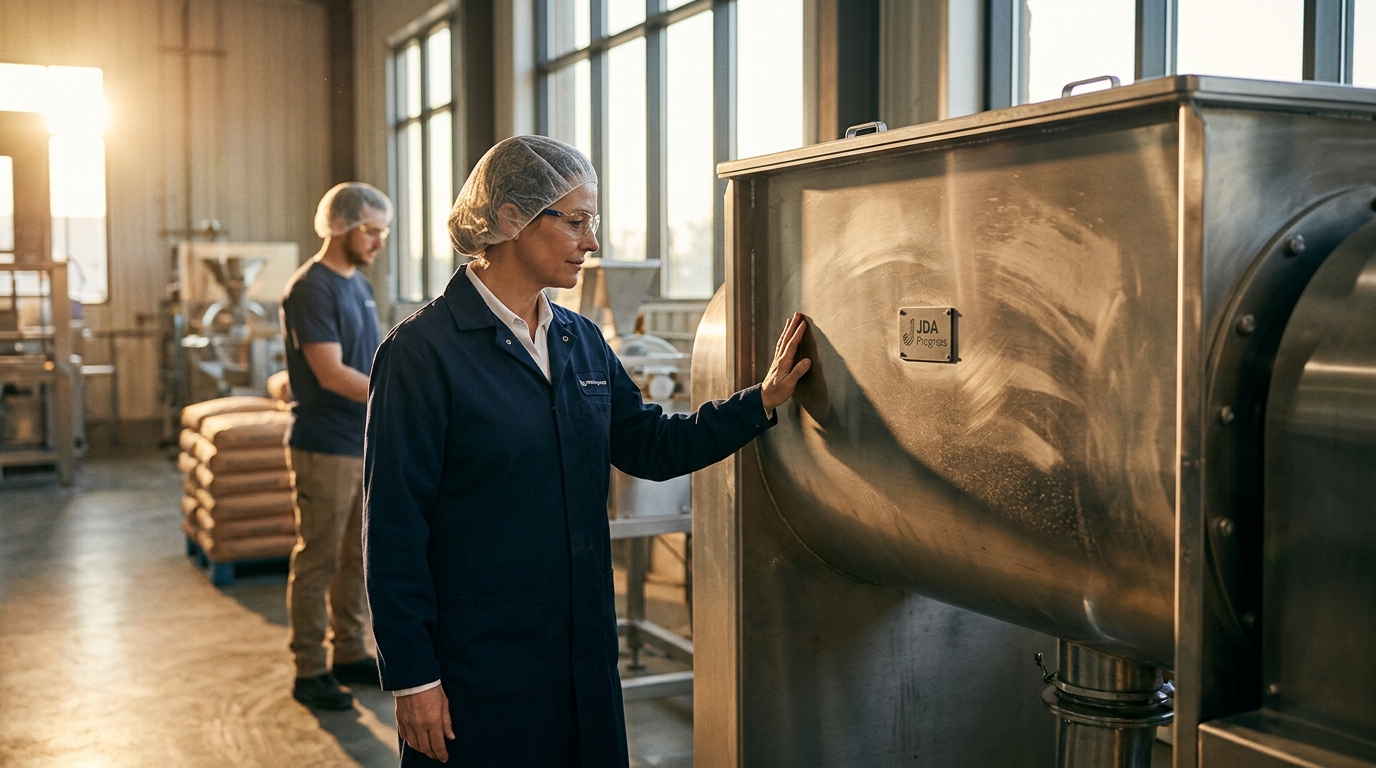
Industrial powder mixing is a critical process in the food, chemical, and nutraceutical sectors. Despite its importance, many facility managers operate under outdated assumptions about ribbon blender performance. These misconceptions can lead to inefficient production lines, increased downtime, and higher operational costs. According to industry data, improper mixing equipment selection can reduce overall line efficiency by up to 20 percent. This article debunks the most prevalent myths surrounding ribbon blenders to help you make informed decisions for your packaging and processing needs. (Trusted Packaging Equipment Manufacturer)
Myth 1: Ribbon Blenders Are Only for Dry Powders
One of the most persistent myths is that ribbon blenders are strictly limited to dry, free-flowing powders. While they excel at blending dry ingredients like flour, spices, and protein powders, modern ribbon blenders are versatile enough to handle semi-moist and pasty materials as well. The design of the ribbon agitator allows it to move material both axially and radially, ensuring thorough mixing even with sticky substances.
For example, JDA Progress offers specialized blenders and feeders that are engineered to handle a wide range of material viscosities. Whether you are mixing dry supplements or semi-solid cosmetic bases, the right ribbon blender configuration can accommodate your specific product requirements. This versatility makes ribbon blenders a valuable asset in multi-product facilities.
Myth 2: They Cannot Handle High-Volume Production
Another common misconception is that ribbon blenders are only suitable for small-batch or pilot-scale operations. In reality, industrial ribbon blenders are designed for high-volume production. They can handle large batch sizes, making them ideal for continuous manufacturing processes. The scalability of ribbon blenders allows them to be integrated into full production lines, from small startups to large-scale industrial plants.
According to manufacturing efficiency reports, ribbon blenders are often preferred for their ability to maintain consistent mix quality even at high throughput rates. This makes them a cost-effective solution for businesses looking to scale their operations without compromising on product quality. JDA Progress provides high-quality packaging equipment that includes robust blending solutions designed for maximum efficiency and minimal downtime.
Myth 3: All Ribbon Blenders Mix Equally Well
Not all ribbon blenders are created equal. The design of the ribbon, the speed of rotation, and the material of construction all play a crucial role in mixing performance. A poorly designed ribbon blender may result in uneven mixing, leading to product inconsistencies and potential quality issues. It is essential to choose a ribbon blender that is specifically tailored to your material properties and production requirements.
JDA Progress engineers work closely with clients to ensure that each blender and feeder system is optimized for their specific needs. This includes selecting the appropriate ribbon geometry, motor power, and vessel material to achieve the desired mix uniformity. By focusing on custom engineering, JDA Progress ensures that their clients receive equipment that delivers superior mixing performance.
Myth 4: Maintenance Is Prohibitively Expensive
Maintenance costs are often a concern for facility managers. However, ribbon blenders are known for their durability and relatively low maintenance requirements. The simple mechanical design means there are fewer moving parts that can wear out or fail. Regular maintenance, such as lubricating bearings and checking seals, is straightforward and can be performed by in-house technicians.
JDA Progress stands behind its equipment with comprehensive service and parts support. This includes access to genuine spare parts and expert technical assistance to ensure your equipment remains in optimal condition. By investing in high-quality equipment from a trusted manufacturer, you can minimize unexpected repair costs and extend the lifespan of your blending systems.
Myth 5: They Are Obsolete Compared to Newer Technologies
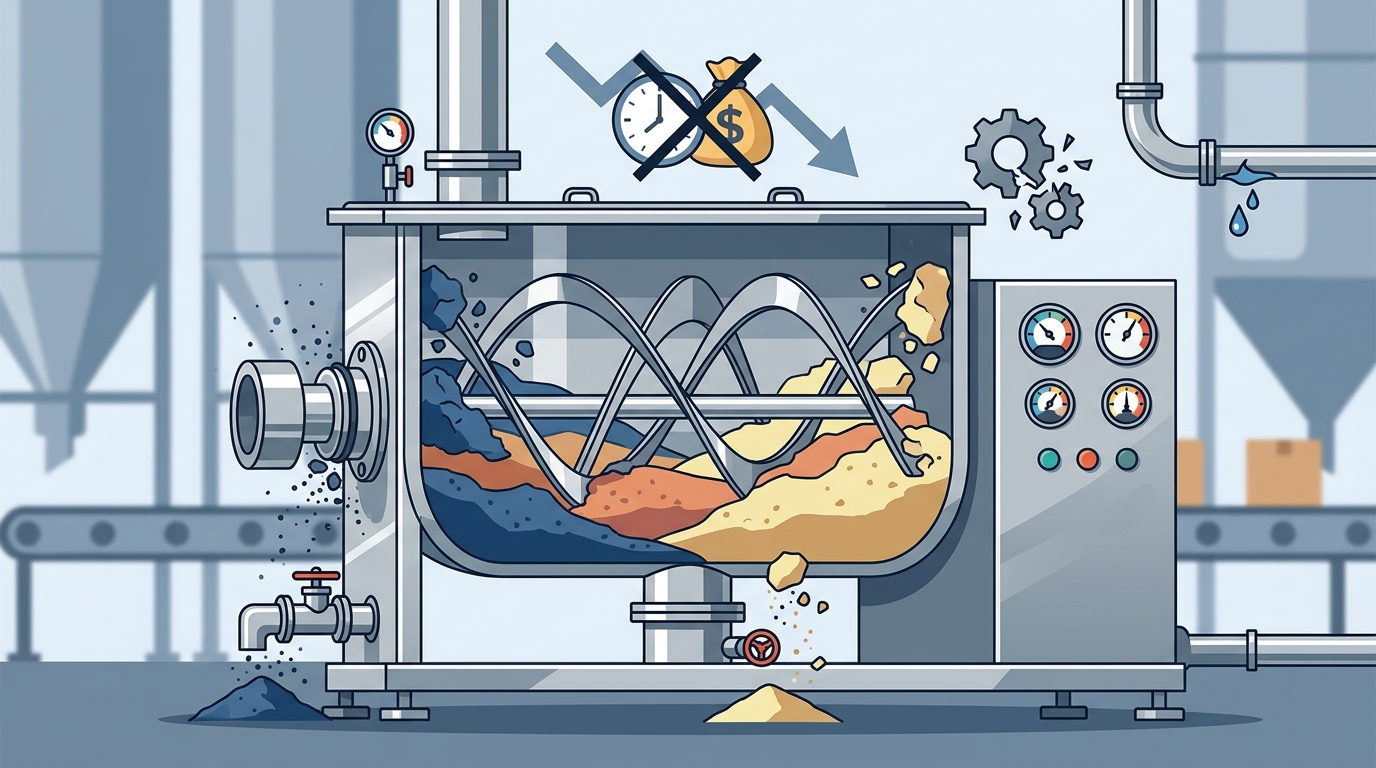
Some industry professionals believe that ribbon blenders are outdated and have been replaced by more advanced mixing technologies. While new technologies like vertical mixers and paddle blenders have their place, ribbon blenders remain a gold standard for many applications. Their proven track record, reliability, and cost-effectiveness make them a preferred choice for many manufacturers.
According to industry analysis, ribbon blenders continue to dominate the powder mixing market due to their ability to handle a wide variety of materials with consistent results. JDA Progress, with over 35 years of experience, continues to innovate and improve ribbon blender designs to meet the evolving needs of modern industry. Visit our about us page to learn more about our history and commitment to excellence.
Key Takeaways
- Ribbon blenders are versatile and can handle both dry and semi-moist materials, not just dry powders.
- They are suitable for high-volume production and can be scaled to meet large-scale manufacturing needs.
- Mixing performance varies based on design; custom engineering is essential for optimal results.
- Maintenance is generally low-cost and straightforward, especially with support from manufacturers like JDA Progress.
- Ribbon blenders remain a reliable and cost-effective choice in an era of advanced mixing technologies.
- JDA Progress offers over 35 years of expertise in designing and manufacturing packaging and blending equipment.
- Proper equipment selection can significantly improve production efficiency and product quality.
Frequently Asked Questions
What materials can a ribbon blender handle?
Ribbon blenders can handle a wide range of materials, including dry powders, granules, and semi-moist or pasty substances. The specific configuration of the ribbon and the vessel design can be customized to suit your material properties.
Are ribbon blenders suitable for large-scale production?
Yes, ribbon blenders are designed for high-volume production. They can handle large batch sizes and are often integrated into continuous manufacturing lines for efficient processing.
How often do ribbon blenders require maintenance?
Ribbon blenders are known for their durability and low maintenance requirements. Regular maintenance, such as lubrication and seal checks, is recommended to ensure optimal performance and longevity.
Why choose JDA Progress for blending equipment?
JDA Progress offers over 35 years of experience in designing and manufacturing high-quality packaging and blending equipment. Their custom engineering approach ensures that each system is tailored to meet specific client needs.
Can ribbon blenders be integrated into existing production lines?
Absolutely. Ribbon blenders are designed to be easily integrated into existing production lines. JDA Progress provides comprehensive support to ensure seamless installation and operation.
What industries benefit most from ribbon blenders?
Ribbon blenders are widely used in the food, chemical, nutraceutical, and cosmetic industries. Their versatility makes them suitable for a variety of mixing applications across these sectors.
How does JDA Progress ensure equipment quality?
JDA Progress uses high-quality materials and rigorous engineering standards to ensure the durability and performance of their equipment. They also provide extensive warranty and support services.
Ready to Optimize Your Mixing Process?
Don't let myths about ribbon blenders hold back your production efficiency. Contact JDA Progress today to discuss your specific mixing needs and discover how our high-quality equipment can benefit your business. Visit our contact us page to request a quote or schedule a demo at our Vaughan showroom.